
Last updated November 15, 2026
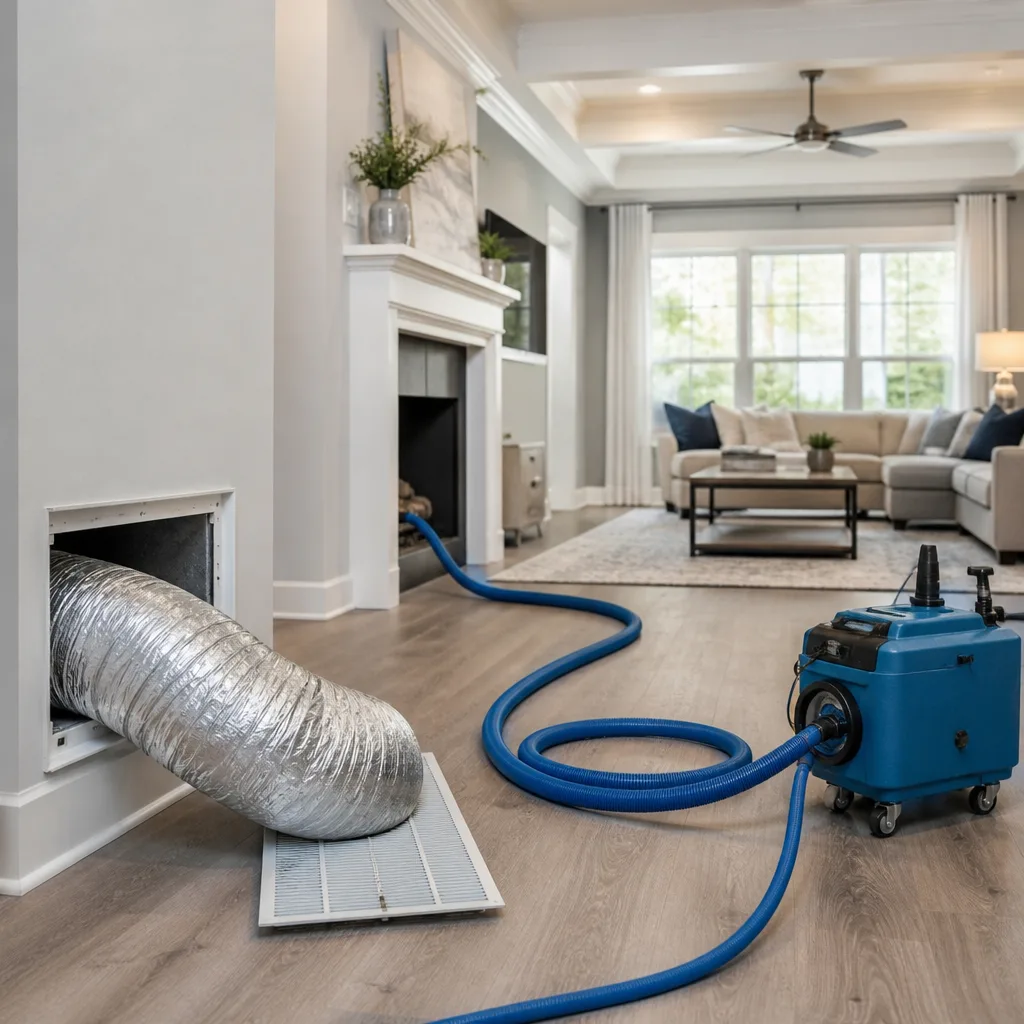 Whole-home duct cleaning
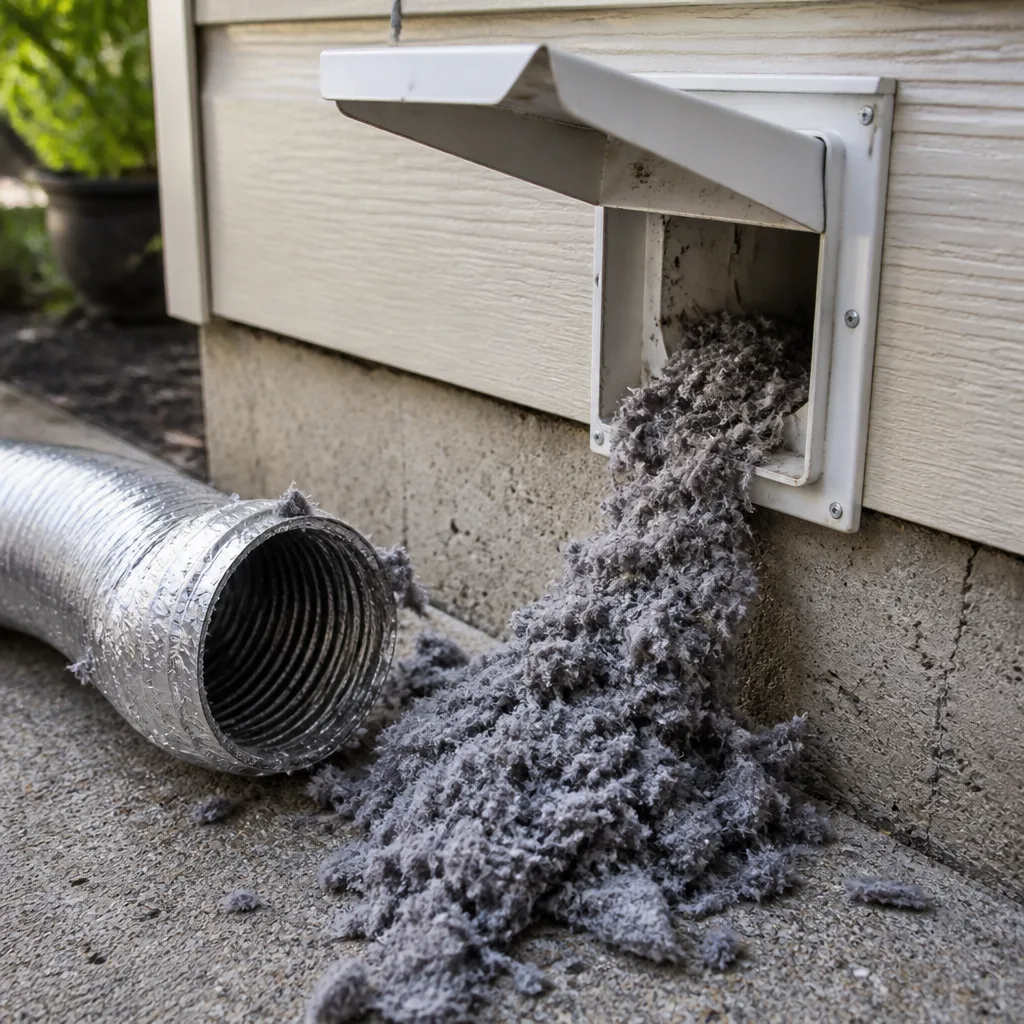 Dryer vent cleaning
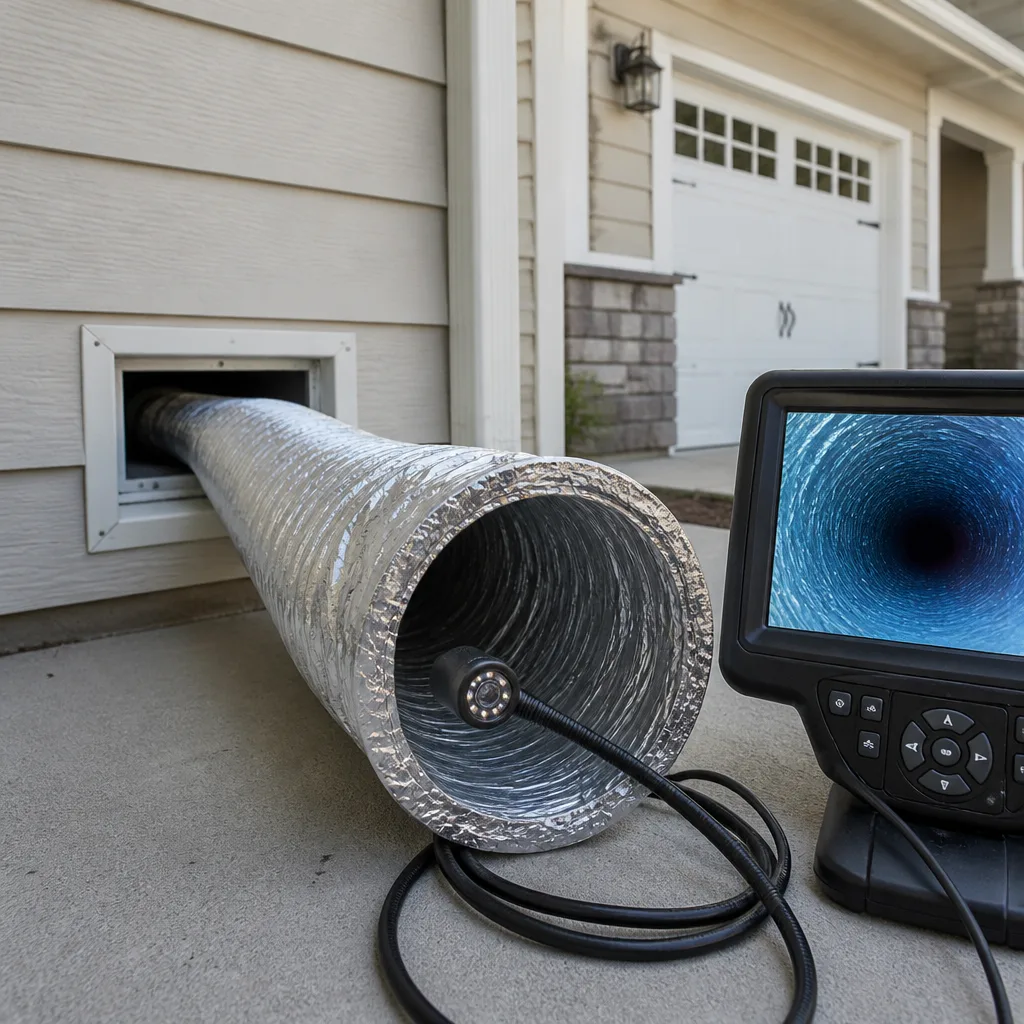 Camera inspection
 Sanitizing & deodorizing
Whole-system duct and dryer vent check with before-and-after photos - you see exactly what came out of your vents
That "$99 whole-house special" is a bait ad - the real number appears once they are in your hallway, or the "clean" is a shop-vac at the register. We photograph the inside of your ducts before and after instead.
Air Duct Cleaning Maintenance Schedule: What to Do and When
Here’s the part of the standard advice that doesn’t hold up: “clean your ducts every three to five years” is a national average, and averages are built for average climates. Metairie doesn’t have an average climate. A house here can run central AC from March into November, which means the blower moves air through the same ductwork almost year-round. More runtime means more particulate passing through the system, and that alone shortens the calendar. Add a shedding dog, a recent renovation, or an older flex-duct system with loose joints and you’re looking at a very different schedule than a homeowner in a dry, northern city. This guide lays out a maintenance sequence you can actually follow here, month by month and event by event, so you know what to do and when.
Quick Answer
In Louisiana, most homes need professional duct cleaning every two to three years, not the three to five years you’ll see quoted for the rest of the country. Homes with pets, recent renovations, or year-round AC use should lean toward the two-year end. Between professional cleanings, change filters every one to three months based on your household, inspect return grilles and accessible duct connections twice a year, and reset the clock after any flood intrusion, pest activity in the attic, or major renovation.
Styles & brands we work with
- Whole-home duct cleaning
- Dryer vent cleaning
- Camera inspection
- Sanitizing & deodorizing
Table of Contents
- Why Metairie Duct Systems Degrade Faster Than the National Average
- The Month-by-Month Duct Maintenance Calendar for South Louisiana
- How to Set Your Filter Change Interval (And Why the Package Is Often Wrong)
- The Annual Homeowner Inspection Checklist
- Events That Reset the Clock Entirely
- How Duct Cleaning Fits Into a Broader HVAC Maintenance Sequence
- What Professional Equipment Actually Does That a Shop Vac Can’t
- The Full Schedule at a Glance
Why Metairie Duct Systems Degrade Faster Than the National Average
The single biggest driver of duct contamination isn’t dust falling out of the air. It’s the volume of air that moves through the system and how wet that air can be. Metairie gets both working against it.
Start with runtime. A home running central AC from March through November is circulating air through the same ducts for roughly nine months of the year. The seasonal break is short. Compare that to a northern climate where the cooling season runs three or four months and the rest of the year the system is mostly idle. The blower doesn’t care about the calendar – it moves a fixed volume of air per minute of runtime, and every one of those minutes deposits a thin layer of dust on the interior walls of the duct, the return plenum, and the evaporator coil. Two to three times the runtime means two to three times the accumulation in the same number of calendar years.
Then there’s humidity. Metairie runs humid most of the year, and humid air carries more particulate because fine dust clings to moisture on surfaces. Your ducts also sit in attics and interior chases that stay warm and damp, which is a hospitable environment for the dust that settles. That’s why we see a certain pattern in Metairie homes we clean: the visible dust at the return grille isn’t always the worst of it. The heavier deposits are on the coil face, inside the main trunk, and at the joints where the duct was assembled.
Housing stock matters too. Metairie has a wide range of homes, from 1950s-era construction with original galvanized ducting to newer builds with flexible insulated duct. Older systems often have more joints and seams where dust catches. Newer flex duct can sag, and sagging creates low spots where debris collects. Neither situation calls for an emergency, but both mean the two-to-three-year window in this guide fits better than the national average.
The Month-by-Month Duct Maintenance Calendar for South Louisiana
Here’s the sequence we recommend, built around the South Louisiana climate cycle. The point is to handle the small tasks before cooling season starts and to catch problems while you have time to plan, not when the system is strained.
February and March – Before Cooling Season
- Replace the filter. Start the season with a clean one.
- Walk the return grilles. Vacuum the face of each return. If you can see dust matted into the frame, that’s a sign the interior needs attention.
- Check the air handler area. Note any standing water in the drain pan, dust on the coil face, or pest droppings. These are signs to schedule a professional visit.
- Look at the visible flex duct. In the attic or crawlspace, walk the run with a flashlight and look for disconnected sections, crushed lengths, or tape that has peeled off.
June through August – Mid-Summer
Peak runtime. Mid-summer is the worst time to schedule cleaning because the system is working hardest, but it’s the best time to check that filters aren’t overloaded. If you notice an uptick in dust at the return grille or a weakening of airflow from the supply vents, that’s a signal to move cleaning forward on the calendar. Coil cleaning and drain line flushing also fall naturally into this window if a technician is already on site.
September through November – End of Cooling Season
The window after the cooling season is the best time of year for a full professional cleaning. Runtime is dropping, so any dust you stir during the cleaning settles out before the next season. This is also when a filter change plus a coil inspection do the most good. If the system ran heavily through the summer and you’re inside the two-to-three-year window, this is the natural time to schedule.
Storm Season and After a Named Storm
Metairie sits in a storm-prone region, and any significant water event changes the picture. If the home took on water, the ducts need to be assessed before the system runs again, because moisture in the duct interior is the starting condition for biological growth. Attic leaks and wind-driven rain enter the same category. We recommend a post-storm walk of the attic and a call if anything on the duct run looks wet. For a broader picture of how we handle the local system here, our air duct cleaning page walks through the full scope of what a service visit includes.
How to Set Your Filter Change Interval (And Why the Package Is Often Wrong)
The filter packaging says one, two, or three months. That number is a baseline for an average household. Your actual interval depends on five variables that you can observe directly. Here’s how to set your own interval in practice.
- Start with the package number. If the filter is labeled for 90 days, treat 90 days as your ceiling, not your floor.
- Add a pet to the household and subtract a month. One cat or dog usually justifies moving from three months to two. Two or more drop it closer to one.
- Consider occupancy and doors and windows. A household of two who keep windows closed most of the year runs cleaner than a busy household with frequent foot traffic and doors opening and closing through the day.
- Watch the filter itself after the first cycle. Pull it at the halfway point you planned. Hold it up to a light. If you can’t see light through the pleats, your interval is too long.
- Shorten it after a renovation. Drywall dust, wood dust, and the dry dust from sanding can double the load on the filter in a few weeks. Replace the filter at the end of the project regardless of where you are in the cycle, and again roughly a month later.
One more point that most guides leave out. The filter protects the equipment, not the duct interiors. A high-MERV filter captures fine particles at the return, which does keep more dust from depositing inside the ducts, but it doesn’t remove what has already settled. So filter discipline slows the clock. It doesn’t stop it. That’s why the filter routine and the professional cleaning routine operate on separate schedules.
The Annual Homeowner Inspection Checklist
You don’t need tools to inspect a duct system. You need a flashlight and fifteen minutes. What you’re looking for is anything that shows the system is underperforming or has lost integrity. Here’s the checklist we suggest for Metairie homeowners who want to know when to call a technician.
At the air handler
- Dust on the face of the evaporator coil. A light gray film is normal. A matted layer that dulls the fins is not.
- Water in the drain pan or a drain line that’s clogged or sluggish. This points to a separate maintenance task.
- Loose or missing insulation on the cabinet or the plenum.
- Pest droppings or insect activity near the unit.
At the return grilles
- Dust on the face of the grille. Wipe it and check again in two weeks. If it’s coated again, the interior is likely coated too.
- Rattling or whistling. That’s often a sign of airflow restriction or a loose connection behind the grille.
- Black or dark streaks around the edges of the grille. This can indicate air pulling through a gap rather than the filter.
At accessible flex duct connections
- Sections that have pulled apart from a fitting. A visible gap means unfiltered attic air is being drawn into the system.
- Crushed or sagging runs. Flex duct that has collapsed reduces airflow and creates a place for dust to settle.
- Tape that has peeled or mastic that has cracked. Duct sealing is usually the fix.
- Water stains, mold-like growth, or a persistent damp smell at a connection.
If any of these turn up, you don’t have to act immediately unless the item involves water, pests, or a disconnected duct. For those, call sooner. For everything else, note it and put it on the calendar before the next cooling season.
Events That Reset the Clock Entirely
A schedule based on years is a plan, not a rule. Some events reset the clock completely, and if one happens at your house, the calendar is irrelevant until the system is assessed. Here’s the list we recommend bookmarking.
- Flood intrusion. Any water that reaches the ductwork, whether at the air handler or through vents, needs a professional assessment before the system runs again. Moisture inside ducts is a much bigger problem than dust inside ducts.
- Attic pest activity. Rodent or insect activity in the attic can leave contamination in the ductwork that regular cleaning addresses differently than a routine visit does. If you’ve had an exterminator out, that’s the moment to schedule the duct cleaning, not before.
- Major renovation. Drywall dust travels through the whole house. So does the dust from demolition. A cleaning after the project is finished, once paint has cured, is the right step, followed by another filter change a month later.
- Mold or a persistent musty smell after a humid stretch. If a smell comes back after a deep clean, that points to a moisture problem that cleaning alone won’t solve.
- Storm damage. If a roof leak or wind-driven rain came through, treat the ducts like any other system that saw water, and get them inspected before running the AC.
- New home purchase. You don’t know the previous owner’s maintenance habits. If the records are missing, a reset is a reasonable call.
Notice the pattern. The reset events are all about contamination getting into the system that the filter wasn’t meant to handle, or about water finding its way into duct interiors. Neither one waits for a calendar.
How Duct Cleaning Fits Into a Broader HVAC Maintenance Sequence
Tasks done out of order get redone. If you’re coordinating duct cleaning, coil cleaning, drain line service, and duct sealing in the same season, here’s the sequence that avoids the redo.
- Filter change first. Before anything else, replace the filter so particulate that’s already on the return side doesn’t get pulled back into the system while technicians are working.
- Duct sealing and repair before cleaning, when a repair is needed. If connections are disconnected, crushed, or sagging, they need to be repaired before the cleaning, because cleaning a disconnected system draws attic air into the ducts. This is where air duct repair as a standalone service fits naturally into the sequence.
- Cleaning second. Duct cleaning, including the return side and the supply side, with negative air containment so the dust that gets loosened actually leaves the system instead of settling onto furniture.
- Coil cleaning third. The evaporator coil sits downstream of the return and upstream of the supply. Cleaning the ducts and coil in the same visit saves a second service call.
- Drain line flush fourth. Same visit is ideal. A clogged drain line is a water-damage risk that has nothing to do with dust but everything to do with whether your ducts stay dry.
- Filter change last. A fresh filter at the end of the visit. Then schedule the next filter change on the calendar.
One note on sequence. Duct repair as a separate service matters here. If your ducts are disconnected or crushed, cleaning won’t fix the problem, because the gap will still draw attic air the moment the blower comes on. For Metairie homes with older or flex-duct systems, that’s a common pattern. We clean it, and if it’s broken, we fix it.
What Professional Equipment Actually Does That a Shop Vac Can’t
This is the part homeowners genuinely want to understand before they spend money. A shop vac has a small motor and a short hose. It can reach the return grille and the first few inches of a duct run. It cannot agitate the interior walls of a duct, and it can’t contain dust on the positive-pressure side of the system. Here’s what the professional equipment does differently.
- Mechanical agitation. A rotary brush system like a Rotobrush reaches into the duct run and mechanically agitates the interior wall. Dust doesn’t just sit there; it bonds to the surface. The brush loosens that layer so the vacuum can pull it out.
- Extraction under negative pressure. Nikro equipment pulls a strong vacuum on the system while a technician works from the other end. With negative air established, the debris that gets loosened actually leaves the ducts.
- Containment during service. Abatement Technologies filtration units are on-site during the job. They capture particulate that lifts during cleaning so it doesn’t settle back into the house. That’s the same category of equipment used in professional remediation work, and it changes the cleanup footprint of the day considerably.
- Access to the whole system. A professional cleaning covers the return plenum, the main trunk, the supply branches, and the coil face. A shop vac approach usually stops at whatever the grille will let it reach.
- Brand awareness across systems. Homes here run a wide range of equipment, and a technician who knows their way around Honeywell and Aprilaire components, as well as Guardsman-supplied systems, is less likely to misread what they’re looking at.
For the dryer side of the schedule, the reasoning is different but the equipment matters just as much. Your dryer vent is a fire hazard waiting to be ignored. Lint accumulates in the ducting and restricts airflow. The result is longer dry times and a hotter dryer. Professional dryer vent cleaning clears the run and restores efficiency. It belongs on the same annual calendar as your filter changes, because dryer vent lint doesn’t wait three years to build up.
The Full Schedule at a Glance
Here’s the whole sequence laid out as a reference. Print it or save it to your phone notes.
- Every 1 to 3 months: Replace the air filter. Shorten the interval with pets, high occupancy, or a recent renovation.
- Twice a year (before and after cooling season): Walk the return grilles and the accessible flex duct connections. Check the air handler area for water, dust, or pests.
- Every 2 to 3 years: Schedule professional duct cleaning. Lean toward two years if you have pets, run the AC heavily, or live in an older home with galvanized duct.
- Every year: Dryer vent cleaning, especially if dry times are getting longer or the dryer feels hot to the touch.
- After any reset event (flood, pest activity, renovation, storm): Schedule a professional assessment before running the system.
- Whenever you notice a disconnected or crushed duct: Air duct repair before cleaning, not after.
If you’re in Metairie and you’re trying to figure out where your home sits on this schedule, the simplest way to answer that is a conversation. Our duct cleaning Metairie team can walk through what you’ve seen and what it means. For the local context we work in and the neighborhoods we cover, our Metairie page lays out the area. And for anyone still working out which maintenance step comes first, the sequence above is the one that avoids having a task redone.
Common Mistakes to Avoid
- Following the national three-to-five-year rule without adjusting for climate. That interval assumes a seasonal cooling load. Metairie runs closer to nine months of the year. If you’re mapping a northern average onto a Metairie home, you’re waiting too long.
- Replacing the filter on the package schedule instead of the household schedule. The package doesn’t know you have a golden retriever or that you just finished a kitchen renovation. Check the actual filter at the halfway point and adjust.
- Cleaning disconnected or crushed ducts and calling it done. If the duct run has lost integrity, cleaning doesn’t fix it. Repair first, then clean. Otherwise the same gap pulls attic air in the moment the blower starts.
- Skipping the dryer vent because it “works fine.” Longer dry times and a hot dryer cabinet are warning signs, not minor inconveniences. The dryer vent should be on an annual schedule regardless of whether you notice a problem.
- Cleaning after a renovation without a second filter change. The filter catches the first pass of drywall dust. Replacing it once a month later catches the rest before the system redistributes it.
- Letting a musty smell after a humid stretch go unaddressed. A smell that comes back after a deep clean usually points to moisture, not dust. Cleaning won’t fix a wet duct, and the calendar doesn’t reset until it does.
- Assuming every duct cleaning quote means the same thing. A quote that covers the return side and grille faces is different from a quote that covers the full system with containment. Ask what the visit includes before you compare prices.
See the difference
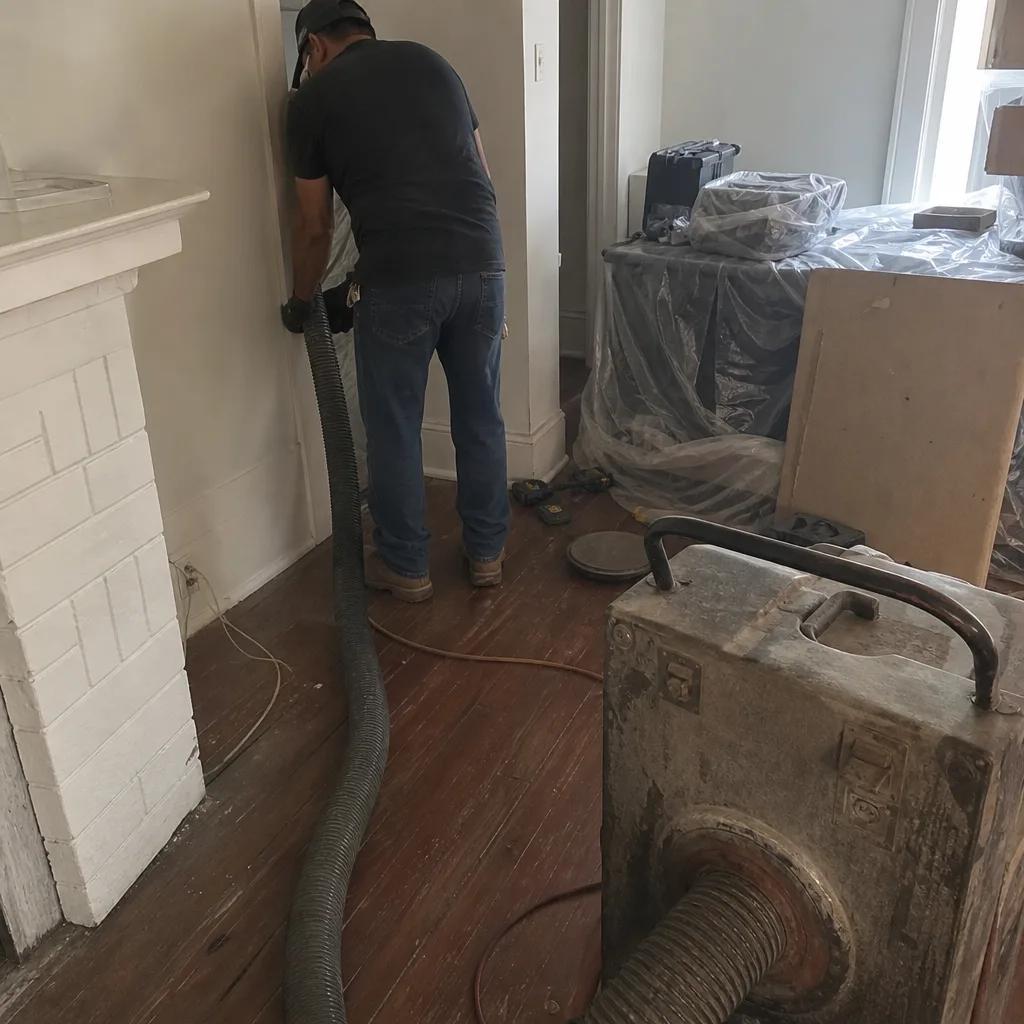 Before
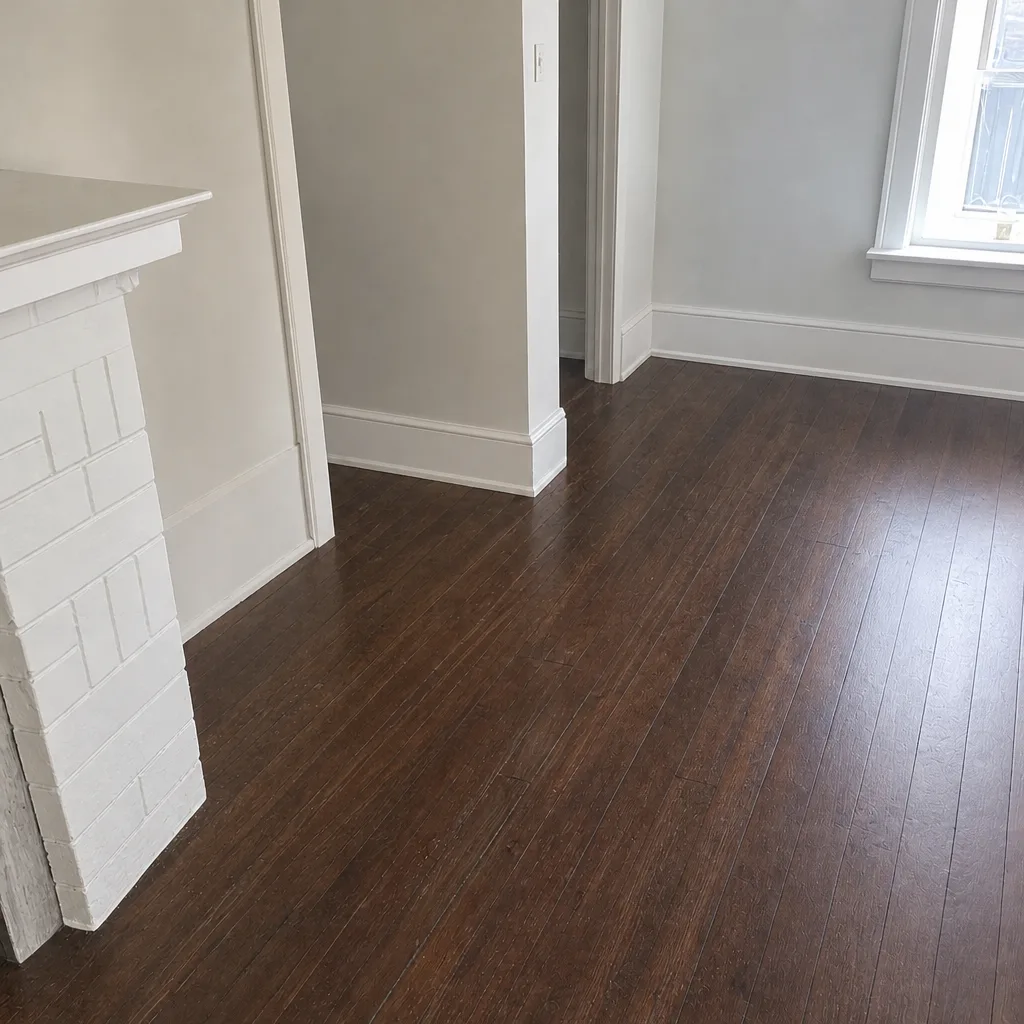 After
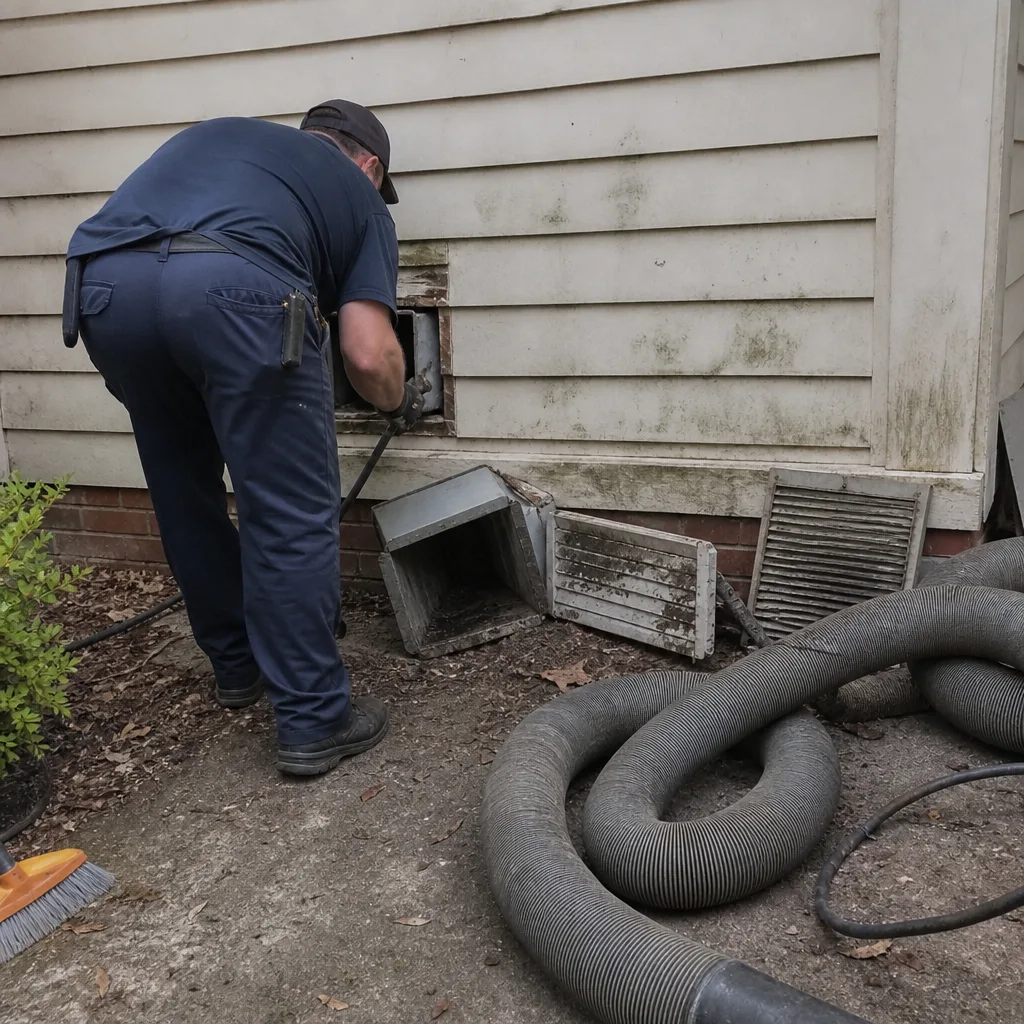 Before
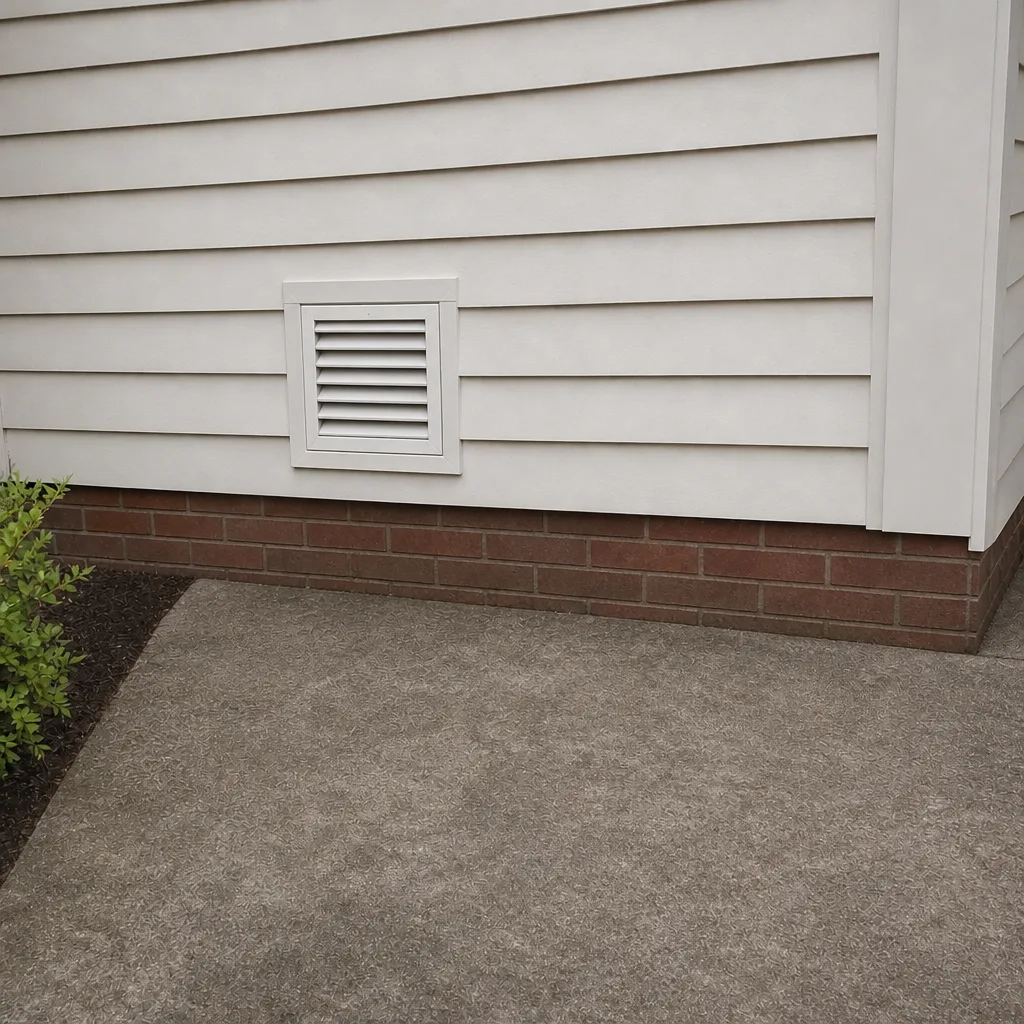 After
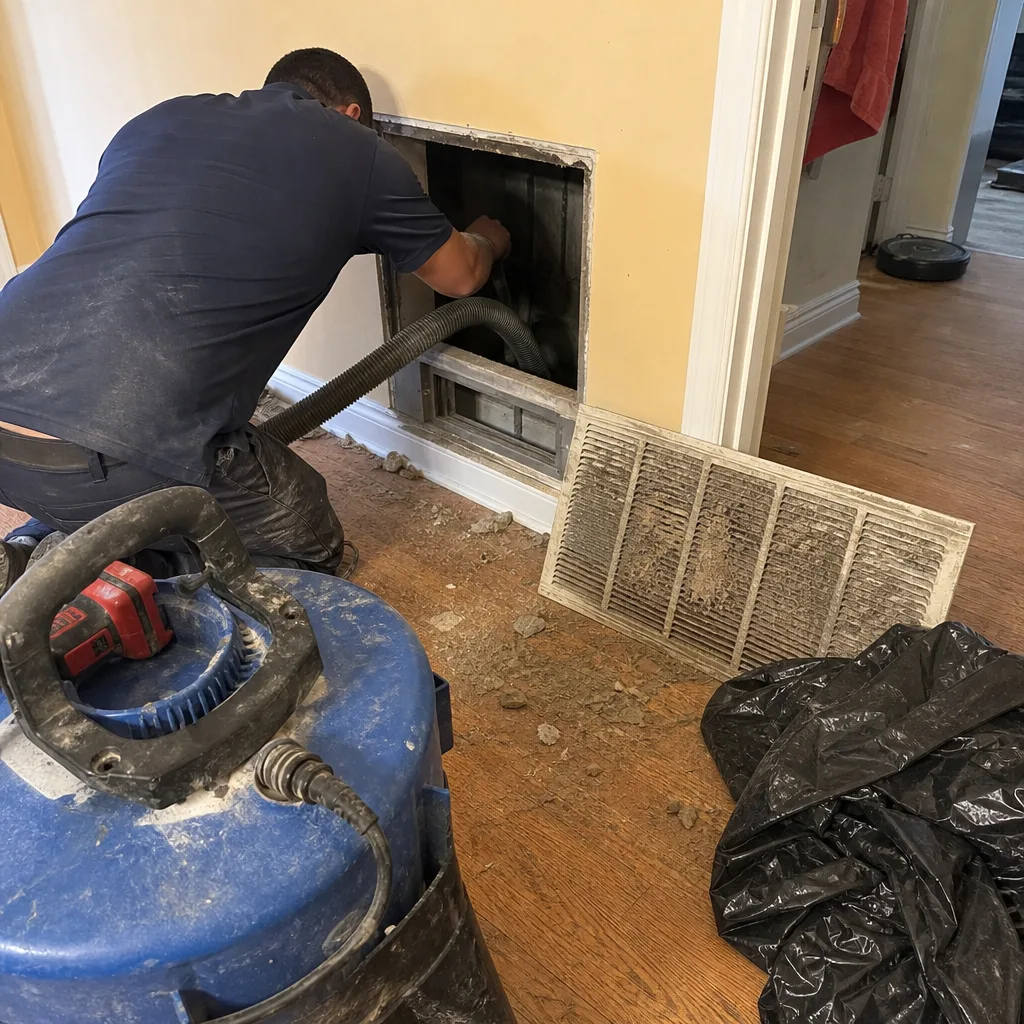 Before
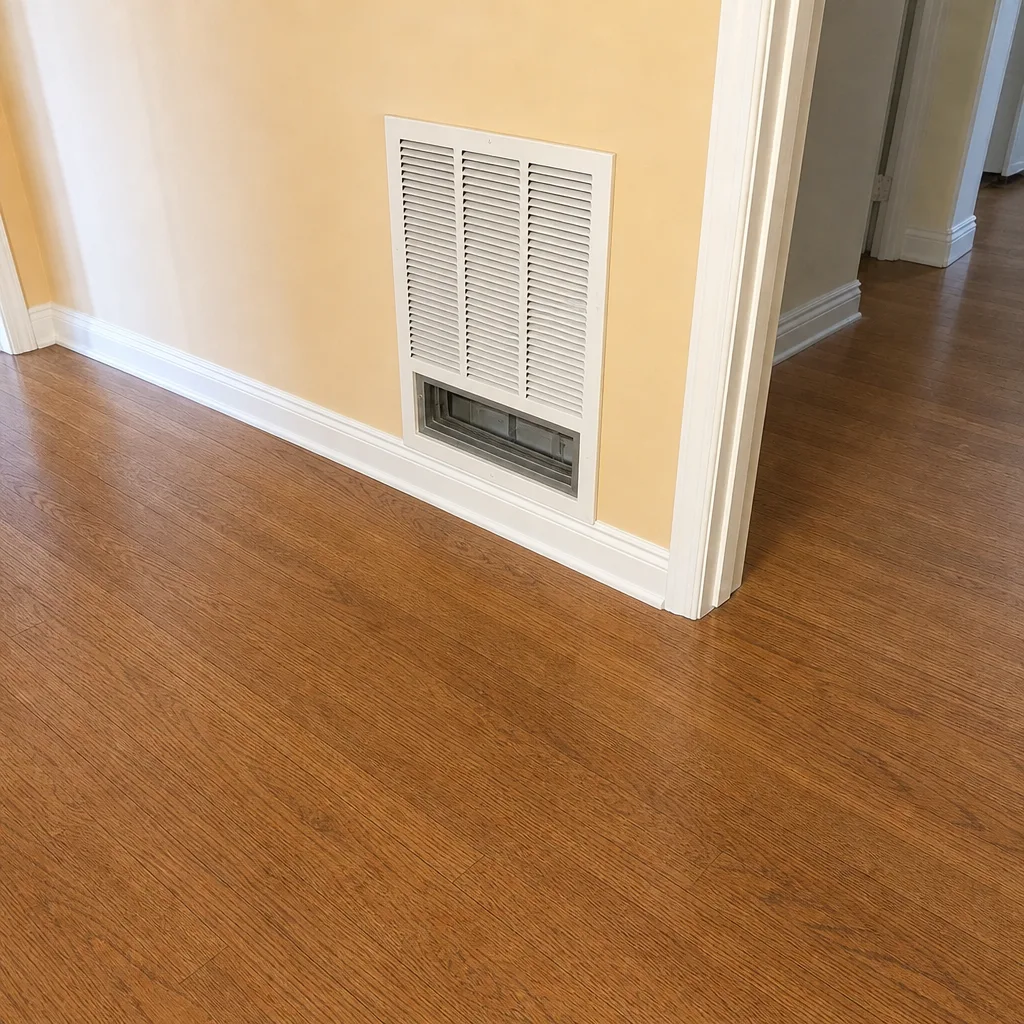 After
When to Call a Professional
Some jobs need a call, not a calendar. Call us if any of these describe your home: visible dust coating the return grilles within two weeks of a wipe; a persistent musty smell through the supply vents; moisture or pest activity near the air handler; a disconnected or crushed section of flex duct you can see from the attic access; water intrusion from flooding, roof leak, or storm; a renovation that just wrapped up; or dry times that have lengthened noticeably. Any of those resets the schedule. Our technicians have up to 9 years of experience, and we bring Rotobrush and Nikro equipment to every job, with Abatement Technologies filtration running on-site during service. We clean it, and if it’s broken, we fix it. Duct Cleaning Metairie offers free estimates in Metairie, and the price is set per job by the written estimate. Call (833) 576-1083.
Frequently Asked Questions
Most Louisiana homes need professional duct cleaning every two to three years, not the three to five years you’ll see quoted for the rest of the country. The shorter interval reflects nine months of AC runtime, high humidity, and the particulate load that comes with both. Homes with pets, recent renovations, or older duct systems should lean toward the two-year end. Call (833) 576-1083 for an exact quote – estimates are free.
Cheap quotes usually cover less work: grille faces and the first few feet of duct, without containment equipment or coverage of the return plenum and coil face. A full-system clean with professional agitation and negative air extraction costs more because it does more. Ask what the visit includes, what equipment will be on site, and whether the price is per system or per vent. If a quote is per vent, that’s the lower number in disguise. A written estimate per system is the fair comparison.
Two checks. First, ask for before-and-after photos of your system. Second, look at the return grille and the visible supply registers yourself once the technician leaves. A thorough clean leaves those surfaces noticeably different. A quick surface pass doesn’t. For the dryer side, run a load and note whether dry time has shortened. Call (833) 576-1083 for an exact quote – estimates are free.
Often, yes. Metairie homes run the AC for most of the year, so the filter sees more air volume than the package assumes. Start with the package schedule, check the filter at the halfway point, and shorten the interval if the pleats are loaded. Pets, renovation dust, and high household occupancy are the three biggest reasons to move closer to a one-month cycle. Call (833) 576-1083 for an exact quote – estimates are free.
Once a year for most households, and sooner if dry times are getting longer or the dryer cabinet feels hot. Your dryer vent is a fire hazard waiting to be ignored, and it’s on a separate schedule from your ducts because lint accumulates at a different rate than HVAC dust. Call (833) 576-1083 for an exact quote – estimates are free.
Three things. Replace the filter, clear the working area around the air handler and any attic access, and move furniture away from the return grilles. If you have pets, put them in a separate room for the visit. Have your maintenance records ready if you have them, and note anything you’ve seen: a smell, a dust pattern, a rattling grille. That context helps the technician on the first walkthrough. Call (833) 576-1083 for an exact quote – estimates are free.
The Bottom Line
The national three-to-five-year rule is a useful starting point and a poor plan for a Metairie home. The schedule that actually fits here is roughly every two to three years for professional cleaning, every one to three months for filter changes based on your household, twice yearly for a walkthrough of the returns and accessible duct connections, and annual for dryer vent cleaning. On top of that, know the reset events: flood intrusion, pest activity, renovations, and storm damage. Follow the sequence – seal and repair first, clean second, coil and drain line on the same visit – and nothing gets redone. Professional-grade equipment is what makes the difference between a cleaning that removes the dust and one that just moves it. If you’re ready to put your home on the schedule, call (833) 576-1083. We answer 24/7. Fast dispatch from 7am to 7pm, Sunday through Friday.
Written by the team at Duct Cleaning Metairie.