
Last updated November 15, 2026
 Whole-home duct cleaning
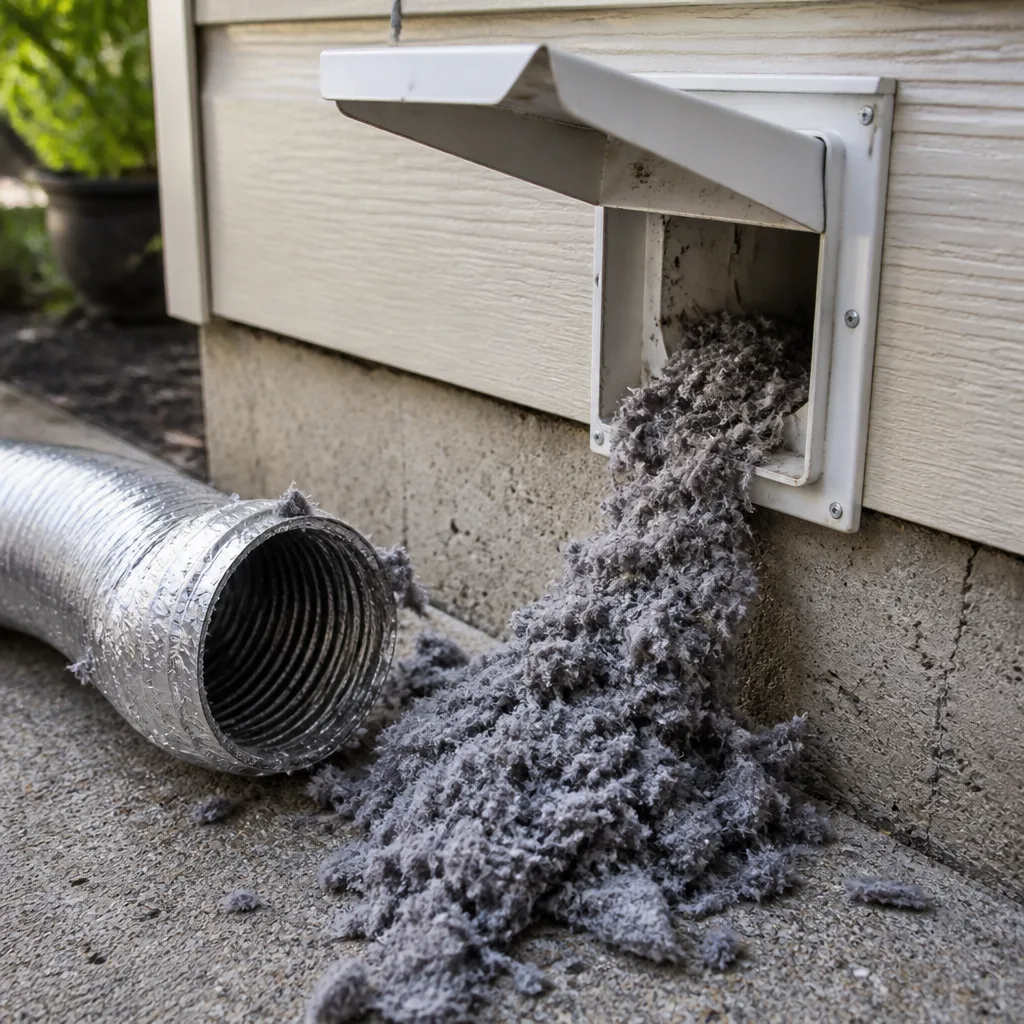 Dryer vent cleaning
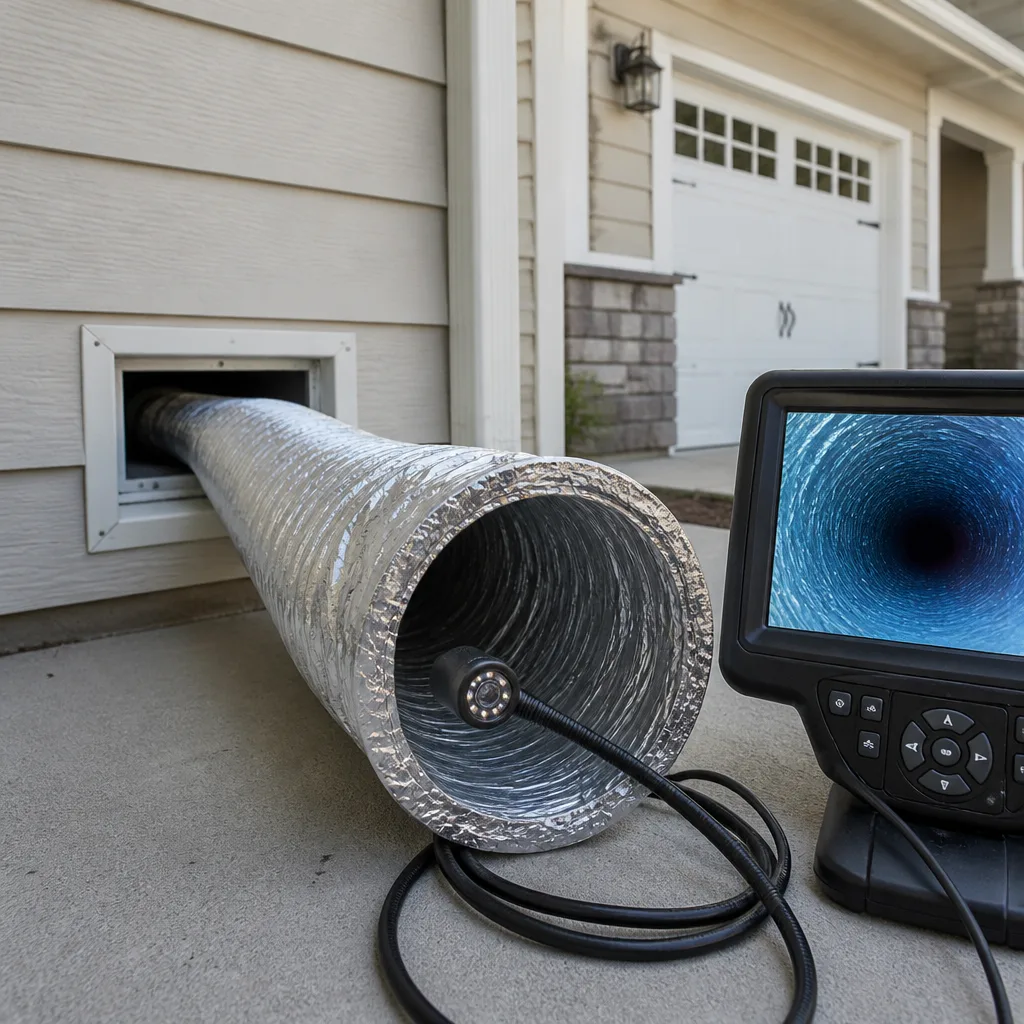 Camera inspection
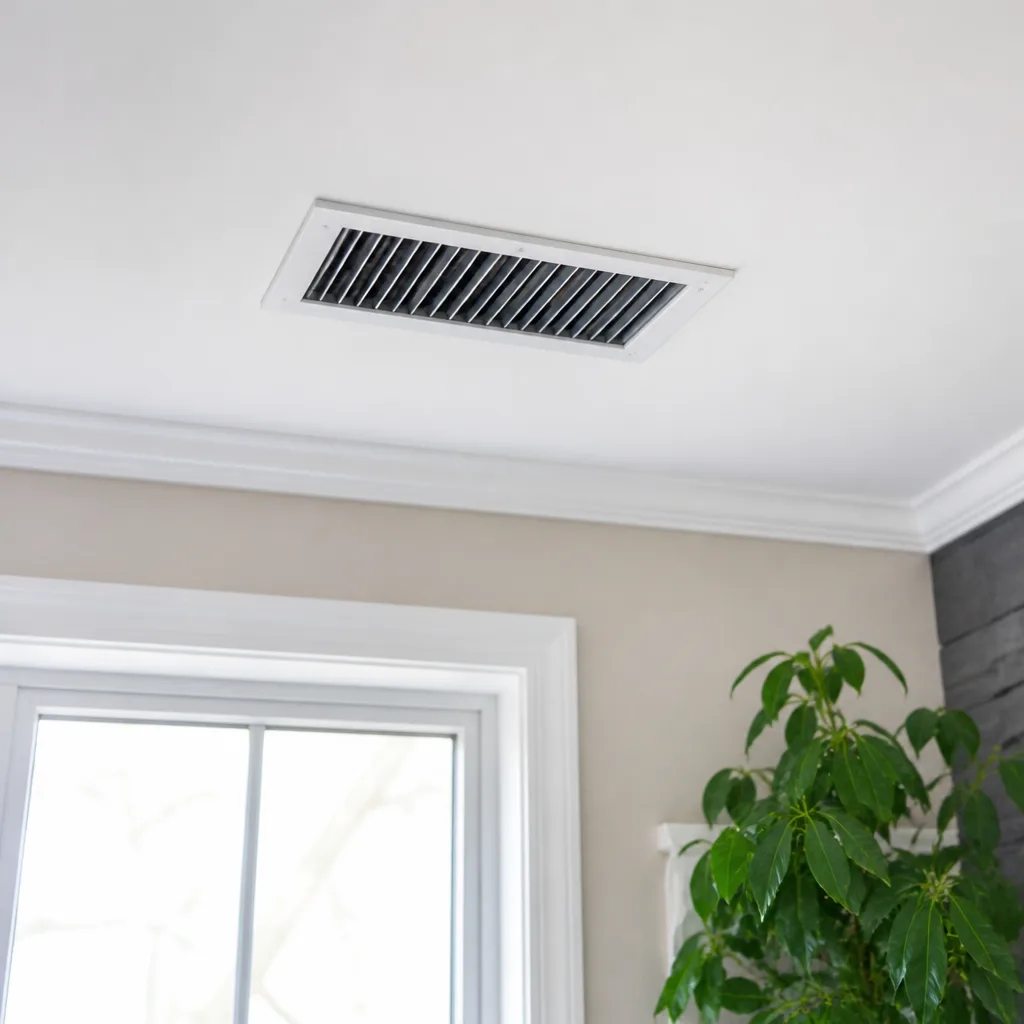 Sanitizing & deodorizing
Whole-system duct and dryer vent check with before-and-after photos - you see exactly what came out of your vents
That "$99 whole-house special" is a bait ad - the real number appears once they are in your hallway, or the "clean" is a shop-vac at the register. We photograph the inside of your ducts before and after instead.
Air Duct Cleaning Warning Signs: A Metairie Homeowner’s Reference Guide
Almost every home in Metairie carries a faint musty undertone on the first cool morning of fall. That’s the city, not your ductwork. The mistake most homeowners make is treating the smell itself as the warning sign and either panicking or shrugging it off. Neither helps. What actually matters is whether that odor lingers once the system has run for a while, and whether it comes back stronger each season. A smell that fades as air moves is usually the climate talking. A smell that settles in and grows is your ducts telling you something. This guide walks through the signals worth trusting in Metairie: what buildup on your registers means, why one room always cools last, how allergy patterns here differ from outdoor pollen cycles, and what a renovation or a water leak puts into a duct system. You’ll come away knowing which signs point to real contamination, which are normal for South Louisiana humidity, and when it’s time to have someone look.
Quick Answer
The main warning signs of dirty or damaged ducts in Metairie are: stains and dark buildup on grilles that come back after cleaning, one or more rooms that consistently cool slower than the rest, a musty or stale odor that lingers after the system runs, allergy symptoms that don’t track with the outdoor pollen calendar, and visible dust plumes from vents when the air kicks on. In a humid South Louisiana environment, the key test is persistence. A smell or dust that appears on the first cool day and then clears is the climate. One that stays, or returns every fall, points to the duct system itself and should get an inspection.
Styles & brands we work with
- Whole-home duct cleaning
- Dryer vent cleaning
- Camera inspection
- Sanitizing & deodorizing
Table of Contents
- Climate-Normal vs. Duct Problem: The Persistence Test
- Reading Your Registers: What Buildup Patterns Tell You
- Airflow Asymmetry: When Some Rooms Always Cool Last
- Allergy and Respiratory Patterns Specific to Southeast Louisiana
- Post-Renovation and Post-Water-Intrusion Signals
- The Dryer Vent: A Separate Warning System Worth Checking
- Warning Signs That Point to Damaged Ductwork, Not Just Dirt
- What a Proper Duct Inspection in Metairie Involves
Climate-Normal vs. Duct Problem: The Persistence Test
Metairie sits in a humid subtropical zone where indoor moisture is a constant background condition. That single fact reshapes almost every “warning sign” list you’ll find online, because most of those lists were written for dry climates. Here, a little dust around a vent and a faint smell in the air are not exceptional. They’re the baseline. Your job as a homeowner is to separate the baseline from the anomaly.
The word to hold onto is persistence. Here’s how to apply it:
- A smell that fades: The first cool week of fall pulls in cooler, denser outside air and changes indoor relative humidity. A musty scent that shows up then and clears after the system runs for a day or two is climate-normal.
- A smell that stays: If the odor survives several full cooling cycles and intensifies when the system starts, something inside the duct run is holding moisture or organic material. That’s a duct-system signal.
- A smell that returns: Grilles that get a dark film every fall and every spring, no matter how often you clean them, are recolonizing from upstream. Surface cleaning isn’t reaching the source.
- A smell that changes with weather without running the system: Odors that appear when the system is off point to the building envelope or a damp crawlspace, not the ducts, and are worth investigating separately.
The moisture angle is the part lots of homeowners miss. In Metairie, the real question isn’t whether a duct system has dust in it, because it does. The question is whether the ductwork is holding damp conditions long enough for that dust to become a biological problem. A system with a small return leak near a humid attic or a condensation issue at a supply trunk will show the same persistence pattern regardless of how clean the ducts started. That’s why we treat a smell that lingers as an inspection trigger, not a cleaning trigger.
Reading Your Registers: What Buildup Patterns Tell You
Your supply and return grilles are the cheapest diagnostic tool you own. You don’t need any equipment to inspect them, and the pattern of what’s on them tells you a great deal about what’s happening inside the system. Look at them once a year, ideally in the fall, and take a photo each time so you have a comparison.
Here’s what different patterns usually indicate:
- Even, light gray dust on every grille: Normal for any home in Metairie. The system filters most airborne particulate, and a thin film builds over months.
- Dark, sticky film that feels greasy: Often points to cooking aerosols or, in a system with a humidifier or air handler nearby, moisture. Sticky buildup holds debris in place and feeds it.
- Black or gray material around the edges of the grille frame, not the center: Usually a sign of bypass around the register boot. Air is pulling from the wall cavity or ceiling assembly rather than through the duct, which brings unfiltered air into the room.
- Visible lint or fiber clumps on grilles: Either dusty flex duct breaking down internally or a filter that’s not seated correctly.
- Fuzzy growth or white bloom on the grille or the wall around it: Moisture issue. Stop and call for inspection. This pattern doesn’t resolve on its own.
- Discolored streaks running from the grille across the ceiling or wall: Air leakage is painting the surface with particulate over time. These streaks are effectively a map of where air is escaping or entering.
Also look inside the duct run itself at the closest supply, if it’s reachable. A flashlight pointed up a supply boot should show a clean metal or flex duct interior. A thick coating of dust on the walls of the boot and the first several inches of the run is a strong sign the system is due for professional air duct cleaning. Dust that’s settled on the horizontal bottom of a run but hasn’t coated the sides is normal settling. Dust coating all surfaces tells you the air stream itself is dirty.
Airflow Asymmetry: When Some Rooms Always Cool Last
“The back bedroom never gets cold” is the most common complaint we hear in Metairie, and it’s the one sign homeowners most often blame on the air conditioner itself. Sometimes they’re right. But often enough, the air conditioner is fine and the problem lives in the ducts. Knowing which is which saves you money and stops you from paying for a compressor diagnosis when the real issue is a collapsed flex run or a disconnected trunk.
Use this sequence to narrow it down before you call anyone:
- Measure the difference. Put a cheap thermometer in the slow room and one in a room that cools well. Run the system for 15 minutes. If the slow room is more than 3 to 4 degrees warmer, that’s a real differential and worth investigating.
- Feel the airflow at the grille. Hold your hand near, not against, the supply in the slow room. Compare it to a good room. If the air is clearly weaker, that suggests a restriction or leak in that branch. If the volume feels the same, the issue may be the mechanical system (refrigerant, coil, or blower) rather than the ducts.
- Walk the house with the system running. Listen for whistling at any grille (indicates a small opening under high pressure) or a faint rushing sound behind a wall (indicates a leaking duct). In Metairie’s older attic and crawl spaces, a disconnected supply boot is not uncommon, and you’ll usually hear it before you find it.
- Check your filter and the return. A clogged filter creates system-wide weakness, so every room feels slow. A slow room in an otherwise healthy system is a duct-side problem.
- Look for a flex duct that’s kinked or crushed. If a supply run is compressed against a joist or a mechanically pulled tight at a corner, airflow drops to that room no matter what the AC does.
Airflow asymmetry is a warning sign because it often indicates the same leaks that let conditioned air escape into a hot attic. Those leaks cost you on the electric bill and they pull in unfiltered air from outside the envelope. In a humid climate, that unfiltered air also brings moisture into the system, which is the condition that turns dust into something much harder to fix. If you want to read more about the service side of this, the Duct Cleaning Metairie page covers the full scope we offer.
Allergy and Respiratory Patterns Specific to Southeast Louisiana
Southeast Louisiana has a pollen calendar that extends months longer than most parts of the country, with overlapping tree, grass and weed seasons and a long mold season that barely stops. That makes allergy symptoms a poor duct-cleaning indicator on their own, because outdoor allergen exposure can explain almost any pattern. What’s useful is knowing which symptom patterns break from the outdoor cycle.
Here are the patterns that tend to point toward duct contamination rather than the pollen calendar:
- Symptoms that get worse when the system starts: If you can anticipate a sneeze or a tickle in the throat within a minute of the air handler kicking on, something is being aerosolized from the ducts. Outdoor allergens don’t behave that way.
- Symptoms worse in specific rooms: If one bedroom triggers symptoms and the rest of the house doesn’t, that’s a local signal about that room’s supply run or its return path.
- Symptoms that persist after the pollen season ends: If congestion and irritation stay steady through the mild months when outdoor counts drop, the source is more likely indoors.
- Morning symptoms that resolve away from home: A pattern that clears within an hour of leaving the house every day is worth investigating at the duct and indoor air quality level.
- A recent escalation in symptoms without a change in outdoor exposure: A new pet, a renovation, a roof leak or a change to the HVAC filter all count as “something changed indoors.”
We aren’t physicians, and we don’t diagnose anyone. What we can say from the work itself is that a duct system that hasn’t been cleaned in a decade or more, in a house in Metairie, is likely carrying a dust load that no filter downstream of the furnace can fully compensate for. If the pattern above matches what a household member is feeling, an inspection is a reasonable next step, and a conversation with a doctor is a reasonable first one.
Post-Renovation and Post-Water-Intrusion Signals
Two events in a home’s life are near-certain triggers for duct contamination, and both happen regularly in Metairie. One is a renovation. The other is any kind of water intrusion, from a slow leak above a ceiling to a roof opening after a heavy storm. Both deserve a duct inspection rather than a “wait and see” approach.
On the renovation side, drywall dust is the quiet problem. Most of it settles within a few days, but the fine fraction stays airborne long enough to get pulled into the return air system and coat the inside of every run. Gypsum dust is alkaline and mildly abrasive, and once it coats a duct’s interior it doesn’t blow out on its own. Sanding dust from wood floors, spray texture overspray and insulation fibers behave the same way. If drywall was cut after the HVAC was running, or if the system was turned back on before a full cleanup, the ducts almost certainly need attention.
On the water side, the pattern to watch for is different. Humidity in Metairie means that any moisture that reaches the duct system, whether from a roof leak, a slow pipe leak, or a supply trunk sweating through a hot attic, creates the exact environment in which mold and biological growth thrive. A small wet spot on a piece of flex duct that gets closed up inside a ceiling cavity doesn’t dry out on its own. It stays damp for a long time.
Immediate inspection cues after either event:
- Visible dust plume from vents when the system starts. Confirm with a flashlight in a dark room and the system on.
- Any water stain on a ceiling or wall near a grille or air handler. If moisture reached anywhere near the duct run, assume the worst and inspect.
- Musty smell that started after the event and hasn’t faded. Different from the seasonal baseline. Look for the connection.
- Wet insulation around a duct. If you can see the duct and the insulation is damp or separated from the duct wall, stop and get it inspected.
- Visible mold growth on duct surfaces or on the plenum. Call for an inspection immediately and don’t run the system until someone looks.
In our experience, post-water-intrusion cleanups are the jobs where homeowners most often wish they’d called earlier. The issue isn’t the cleaning itself, it’s that a damp duct system left in place for months turns a straightforward job into a duct repair or replacement. Our Metairie service area work includes plenty of these, and the pattern is always the same: the sooner it’s inspected, the simpler the fix.
The Dryer Vent: A Separate Warning System Worth Checking
Your dryer vent isn’t part of your HVAC ductwork, but it belongs in the same reference guide because it’s the one duct system in your home with an actual fire hazard attached. A dryer vent packed with lint is a known fire cause, and it doesn’t need a dramatic event to start: lint accumulates slowly, dries out and becomes exactly the kind of material that a hot dryer exhaust can ignite. Fewer dryer loads per week doesn’t help, because lint production scales with fabric, not with frequency.
The signs a dryer vent needs cleaning are more direct than anything in the HVAC system:
- The dryer takes longer than it used to. A load that used to dry in one pass now takes two. That’s a restriction.
- The dryer feels hot to the touch on the outside, or the laundry room feels humid during a cycle. Moisture is coming back into the room instead of going outside.
- Lint is visible around the lint trap or behind the dryer. Lint is escaping the trap and finding its way into the run.
- The exterior vent flap doesn’t open fully, or it stays nearly closed when the dryer runs. Air isn’t leaving the system.
- You can’t remember the last time the vent was cleaned. That counts. Most homeowners never have it done, and the buildup is cumulative.
Dryer vent cleaning is a genuinely separate service from HVAC duct cleaning. The equipment and the technique are different, and it belongs on the same annual mental checklist as the filter change. If it’s been a while, our dryer vent cleaning page covers what the service involves. The short version of urgency: a dryer vent is a fire concern, and the fix is straightforward.
Warning Signs That Point to Damaged Ductwork, Not Just Dirt
Here’s the part of the conversation that matters most, and the one most warning-sign lists skip. Some of the signs we’ve covered mean the ducts are dirty. Others mean the ducts are broken. Those are different problems, and cleaning alone will not fix a broken duct. In our experience, a large share of the “duct cleaning didn’t work” complaints we hear come from systems that needed duct repair first, or in addition to, the cleaning.
Signs of damage rather than dirt:
- Visible tear, kink, or sagging section in a flex run. Flex duct is fine when installed straight and short, but it fails where it’s crushed or bent hard.
- Disconnected duct at a boot or trunk. Common in homes with attic runs. You’ll usually see it as a supply boot that moves freely when you press near it, or hear rattling when the system starts.
- Tape or mastic that’s come loose at seams. The seam looks fine from a distance but leaks heavily when the system runs.
- Return duct pulling air from a wall cavity, attic, or garage. You’ll often notice this as dust patterns and constant filter loading. It means the system is pulling in air from spaces it was never meant to condition.
- Pest damage. Rodents and insects are drawn to duct insulation in any warm climate. Chewed sections, droppings near the duct, or torn insulation are all signs.
- Condensation on the duct exterior in summer. A sweating supply duct in an attic points to insufficient insulation, which also means the system is losing capacity and pulling moisture into the wrong places.
This is where having the duct repair and cleaning in the same scope matters. If a technician only cleans and doesn’t fix the leak, the ducts will be dirty again in a season. Our third service is duct repair for that reason: the job often isn’t complete until the system is airtight again. If you’re seeing any of the signs above, tell whoever you call that you suspect a duct integrity issue, not just dirt.
What a Proper Duct Inspection in Metairie Involves
A real inspection is not a technician walking through the house with a flashlight and telling you the system is dirty. It’s a defined sequence with specific equipment and specific evidence. Here’s what it should look like, and what you should expect to see if the work is being done properly.
- Register and grille survey. Every supply and return gets opened and visually checked. Photos of each are standard.
- Access points and interior inspection. Depending on the system, this means cutting access at the plenum or using existing access panels. Look for the technician taking photos inside the duct.
- Airflow measurement or at minimum a grille-by-grille flow check. This is where airflow asymmetry gets diagnosed rather than guessed at.
- One flat price per system before work begins. Not a per-vent price, not a teaser figure that grows once the equipment is running. You agree to the price before anything gets cleaned, in writing.
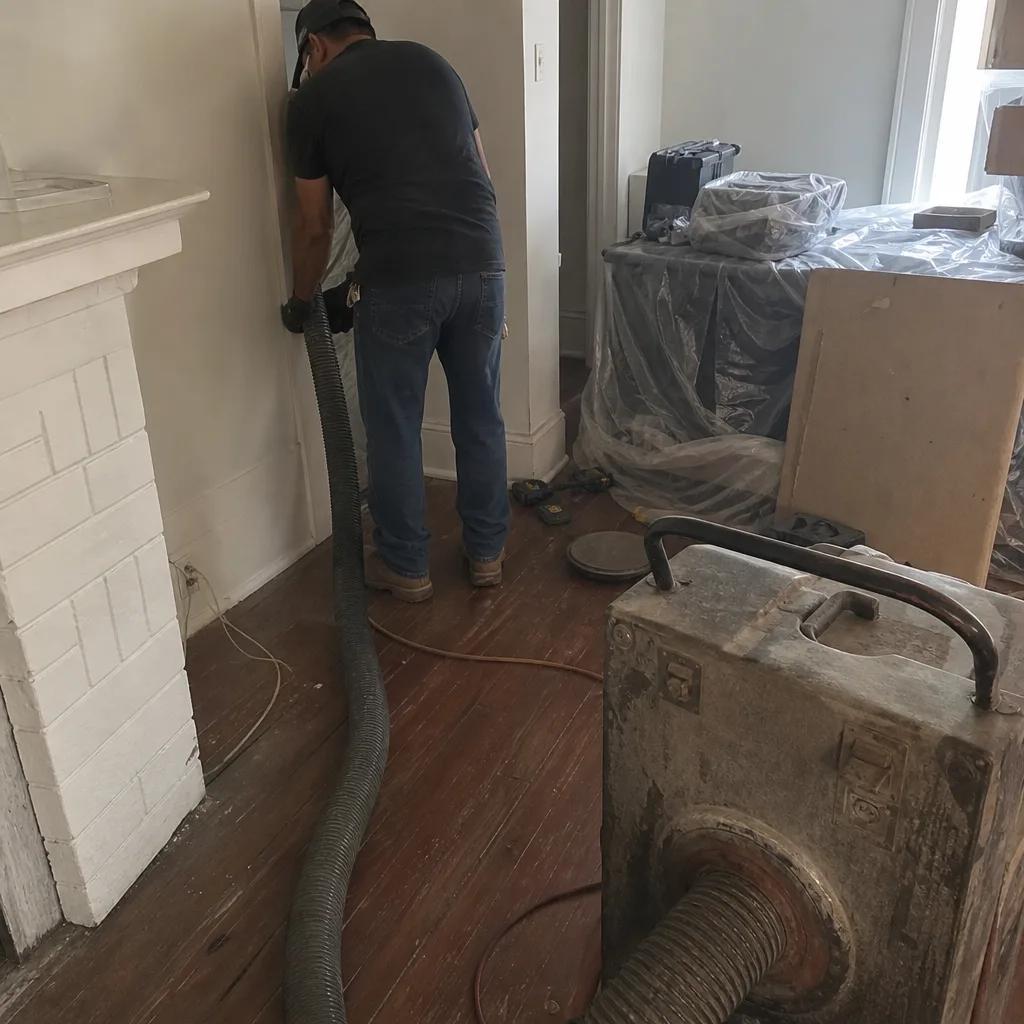
- Containment and filtration during the work. A proper job uses negative air and filtration so the cleaning doesn’t dump particulate back into the home. This is where the equipment matters. Our air duct cleaning Metairie service uses professional-grade tools for exactly that reason: a Rotobrush rotary brush system for mechanical agitation, Nikro negative-air and high-volume vacuum equipment for extraction, and Abatement Technologies filtration units to control airborne particulate while the work is happening. The difference between this and a rented shop vac is the difference between cleaning and displacement.
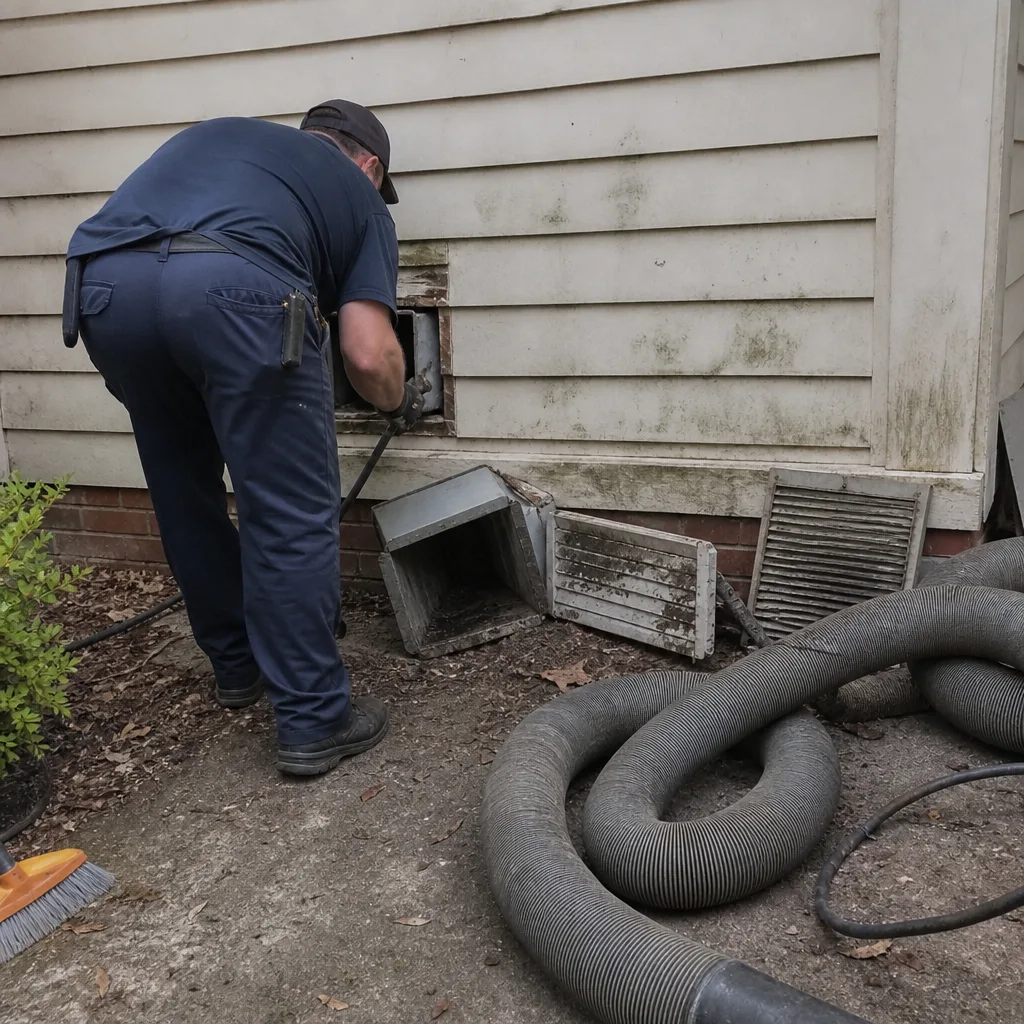
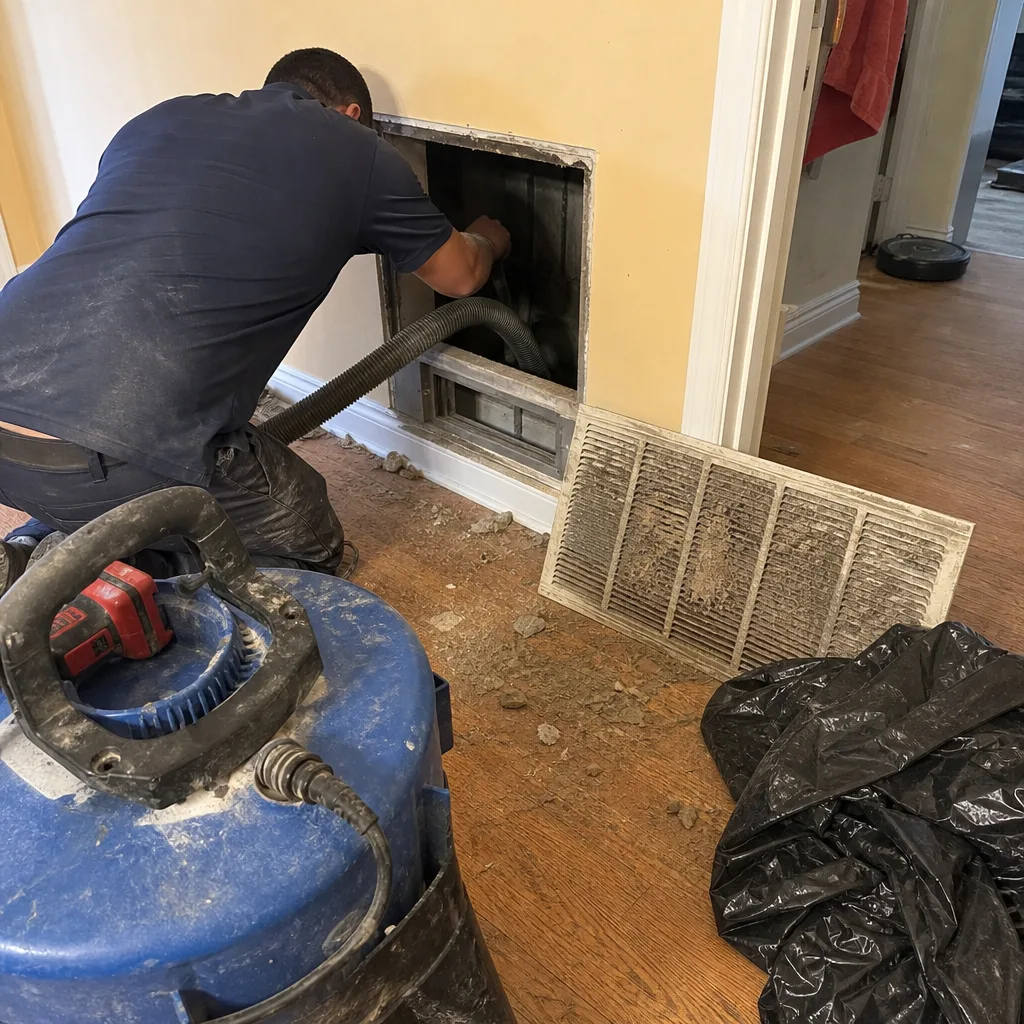
- Before-and-after photos of your own ducts. Not stock photos. Yours, from inside the run. If a company can’t produce them, that tells you a lot.
- Written scope for any repair found during the inspection. If a run is disconnected or a boot is loose, the report should call it out with photos and a separate decision for the homeowner.
The brands matter because the equipment is what actually determines whether a duct run gets clean or just gets its dust temporarily disturbed. Our technicians have up to 9 years of experience and the on-site work uses Rotobrush, Nikro, and Abatement Technologies systems because those are purpose-built for this. We also work regularly with installed equipment from Honeywell, Aprilaire, and Guardsman, which matters when a job involves in-line humidifiers, air cleaners or zoning components.
Common Mistakes to Avoid
- Judging the ducts by the smell alone. In Metairie, a smell that appears in the first cool week is often climate-normal and clears. A smell that lingers or returns is the real signal. Judge by persistence, not first impression.
- Cleaning the ducts when the real problem is damaged ductwork. If a supply run is disconnected or a boot is loose, cleaning alone won’t fix the dust coming in from behind the wall. Get the integrity checked before promising yourself a cleaning will solve it.
- Accepting a per-vent price over the phone as your final number. Per-vent pricing is the standard route to a bait-and-switch invoice. The right question is what a system price covers, in writing, before the technician starts.
- Skipping the inspection after a renovation or a water event. Drywall dust in the ducts is common and requires cleaning, not waiting. Water intrusion near ductwork needs to be looked at before anything is turned back on.
- Treating the dryer vent as a separate, later project. It’s a fire concern, and it’s not going to become less of one. Fewer dryer loads per week doesn’t help.
- Trusting “we cleaned it” without evidence. Before-and-after photos of your own ducts are a fair and standard request. If they can’t be provided, the work is not verifiable.
- Assuming an HVAC problem is always an HVAC problem. “The back room doesn’t cool” is as often a duct issue as a compressor issue. Check the grilles and measure the differential first.
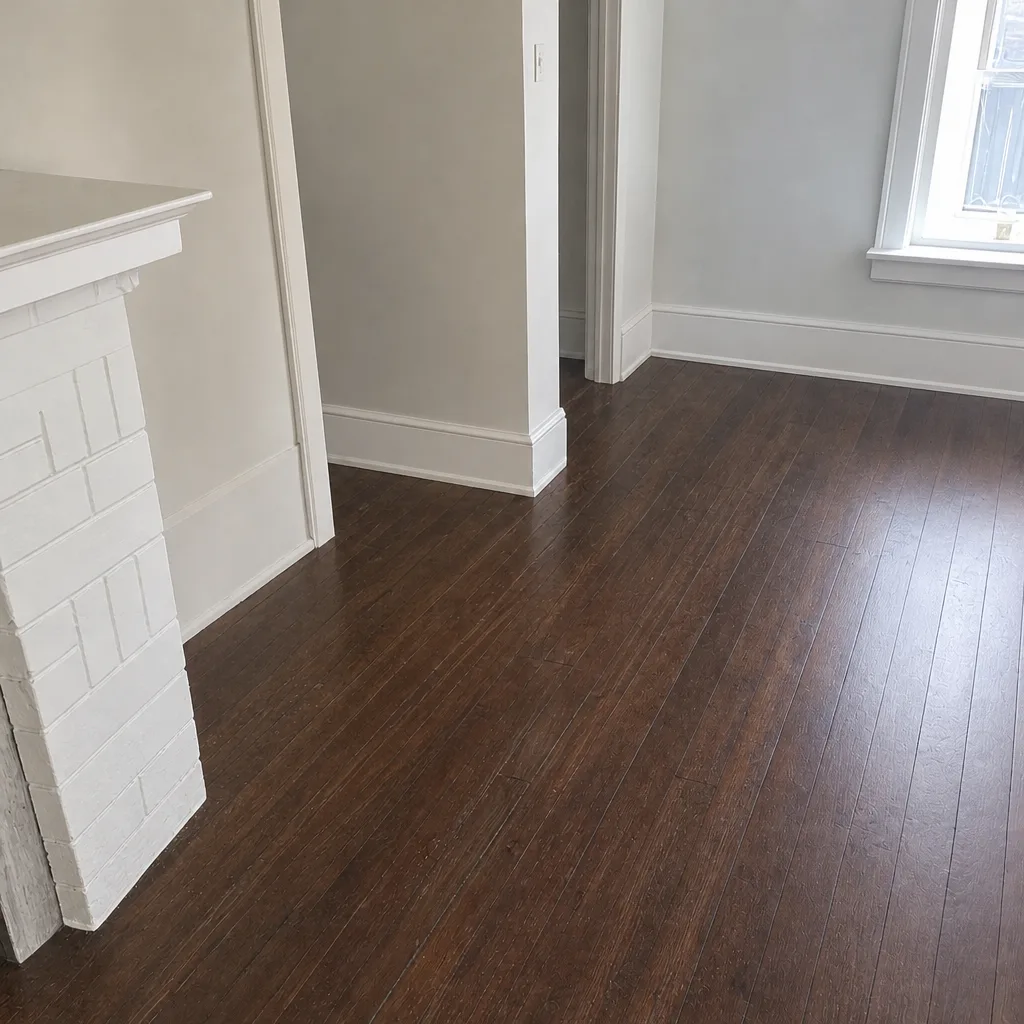
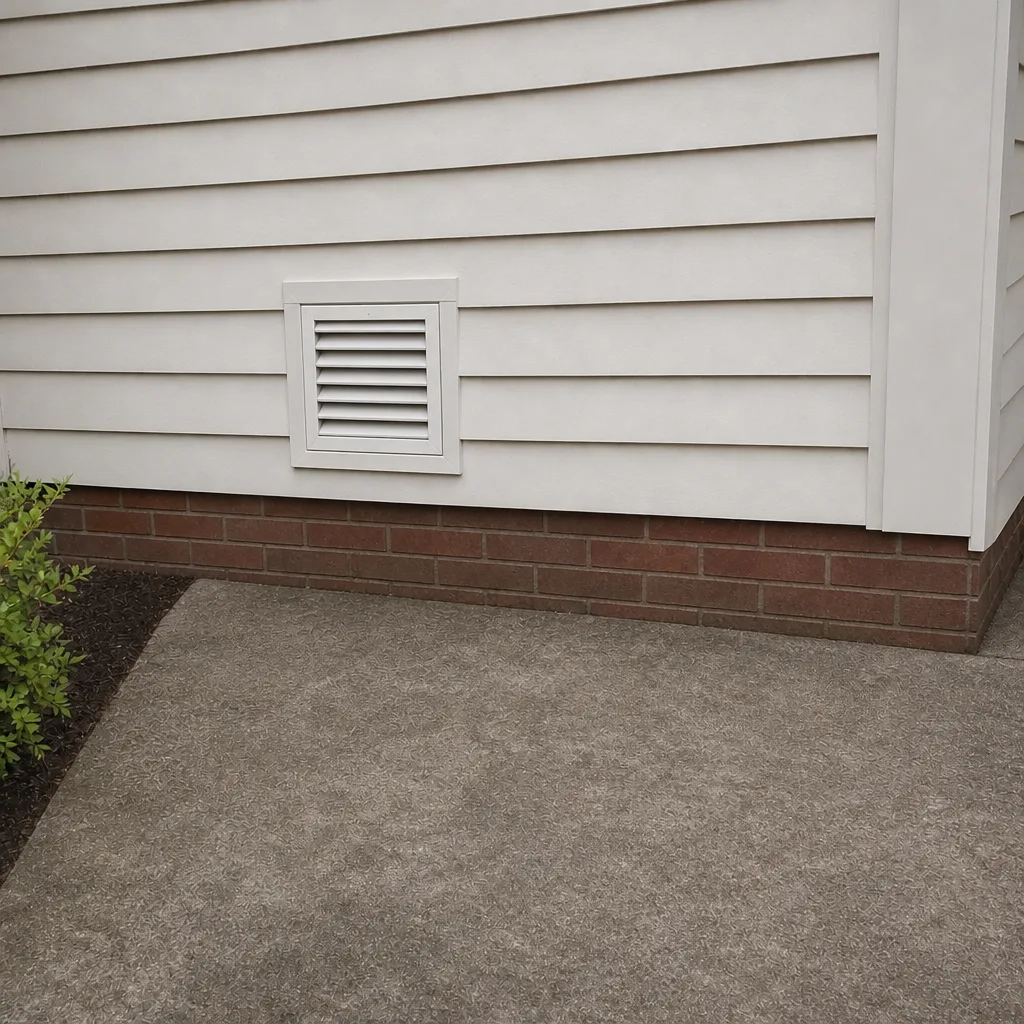
See the difference
 Before
 After
 Before
 After
 Before
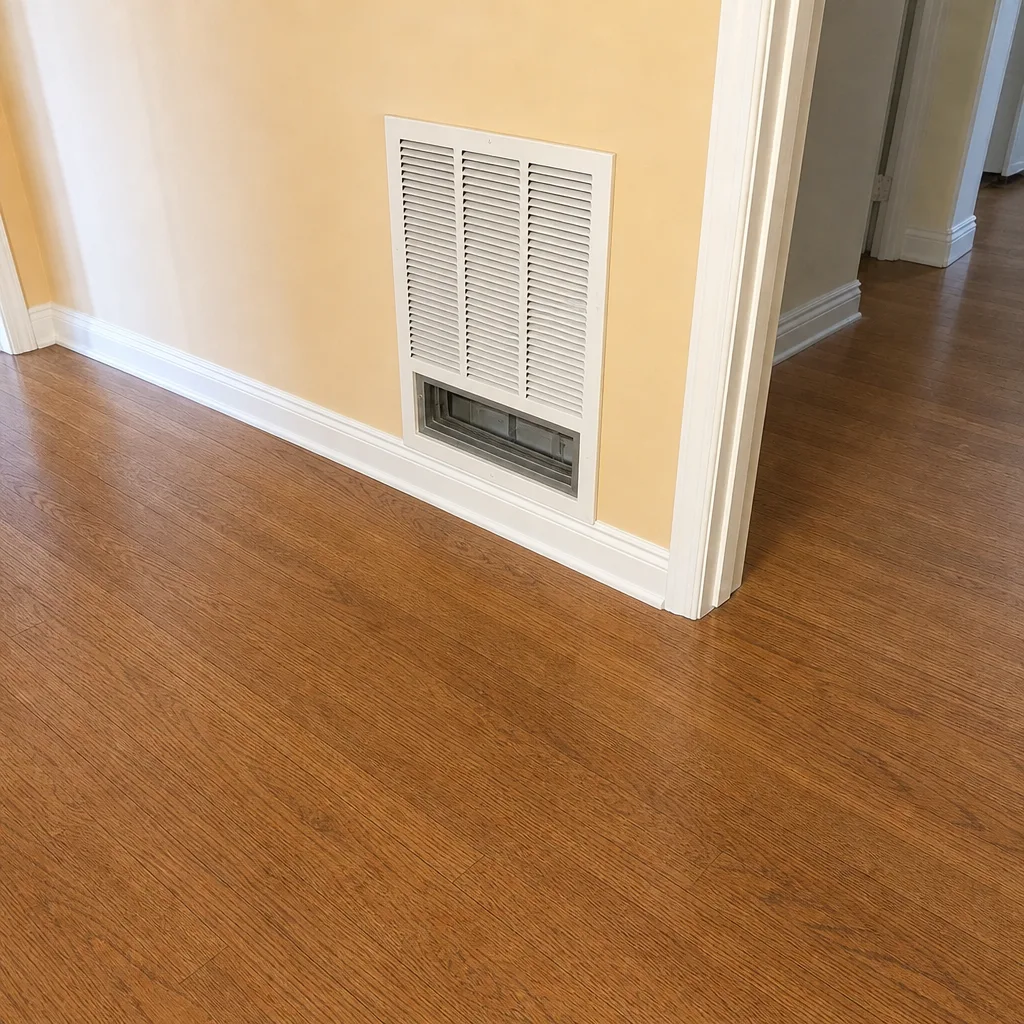 After
When to Call a Professional
A professional call makes sense when a sign persists, when it involves moisture, or when the fix depends on equipment you don’t have. Specific scenarios: a musty smell that doesn’t clear after several cooling cycles; a grille that develops a dark film within weeks of cleaning; a room that consistently runs several degrees warmer than the rest of the house; visible plumes of dust at the vents when the system starts; any water stain or smell that began after a roof or plumbing event; any visible growth on duct surfaces or the plenum; a dryer that takes longer than it used to; a visual inspection that shows a sagging, kinked, disconnected, or chewed duct run. Those are all signs to stop guessing and get eyes inside the system. Duct Cleaning Metairie offers free estimates in Metairie. Call (833) 576-1083 to schedule an inspection. We answer 24/7. Fast dispatch from 7am to 7pm, Sunday through Friday.
Frequently Asked Questions
The most reliable signs are persistent ones: a musty odor that survives several full cooling cycles, black or dark film on grilles that returns after surface cleaning, visible dust plumes from vents when the air starts, and one or more rooms that always cool slower than the rest. In Metairie’s humid climate, a smell that shows up in the first cool week and then fades is usually the season, not the ducts. Persistence is the test. Call (833) 576-1083 if two or more of these signs are present at once.
A normal, climate-driven musty smell appears around the first cool week of fall, fades as the system runs, and doesn’t return stronger the next season. A duct-driven smell lingers through multiple cooling cycles, gets stronger when the air handler starts, or keeps coming back every fall despite grille cleaning. The second pattern points to something upstream in the duct system and is worth an inspection.
Airflow asymmetry, a consistent difference of more than 3 to 4 degrees between rooms, usually points to a duct restriction or leak in that branch rather than a mechanical problem. Common causes include a crushed or kinked flex run, a disconnected boot, or a leaky trunk. Checking whether the airflow from that room’s grille is weaker than a good room is the quickest way to tell a duct issue from an HVAC problem. A proper inspection maps flow grille to grille.
There’s no universal schedule that fits every home, and anyone who tells you a fixed number of years is guessing about your system. What matters more is whether the conditions that trigger cleaning are present: moisture events, renovations, persistent odor, visible dust plumes, or a system that hasn’t been inspected in a while. A home with regular inspections and no moisture issues goes longer. A home that’s had a leak or a remodel needs attention sooner. Call (833) 576-1083 and we’ll look rather than guess.
The cheapest quotes are usually the ones with the least equipment behind them. A low, per-vent figure is often a doorway price that grows once the technician is on site, and it’s usually attached to a job with no containment, no filtration, and no verifiable interior cleaning. Our standard is one flat price per system agreed in writing before work starts, no per-vent pricing, and before-and-after photos of your own ducts. Professional equipment like Rotobrush and Nikro systems costs the operator real money, and honest quotes reflect that. Call (833) 576-1083 for a free estimate.
Ask for before-and-after photos taken inside your own ductwork, from the equipment the technician brings into the home. A professional job also uses filtration and negative air during service, so ask what equipment will be used on site. If a company can’t tell you what they’ll be running and can’t show you interior photos before and after, the work isn’t verifiable. We use Rotobrush rotary agitation, Nikro extraction, and Abatement Technologies filtration on every job for exactly that reason. Call (833) 576-1083 to talk through the scope before we come out.
The Bottom Line
The warning signs worth trusting in Metairie are the persistent ones. A smell that shows up and clears with the season is the climate. A smell that lingers or keeps coming back points to the ducts. Dark buildup on grilles, a room that always cools last, dust plumes at startup, symptoms that escalate when the system starts, and any post-renovation or post-water-intrusion change all warrant an inspection rather than a wait-and-see. Damaged ductwork needs repair, not just cleaning. And the dryer vent belongs on the same checklist. Call (833) 576-1083 for a free estimate. We answer 24/7. Fast dispatch from 7am to 7pm, Sunday through Friday.
Written by the team at Duct Cleaning Metairie.