
Last updated November 15, 2026
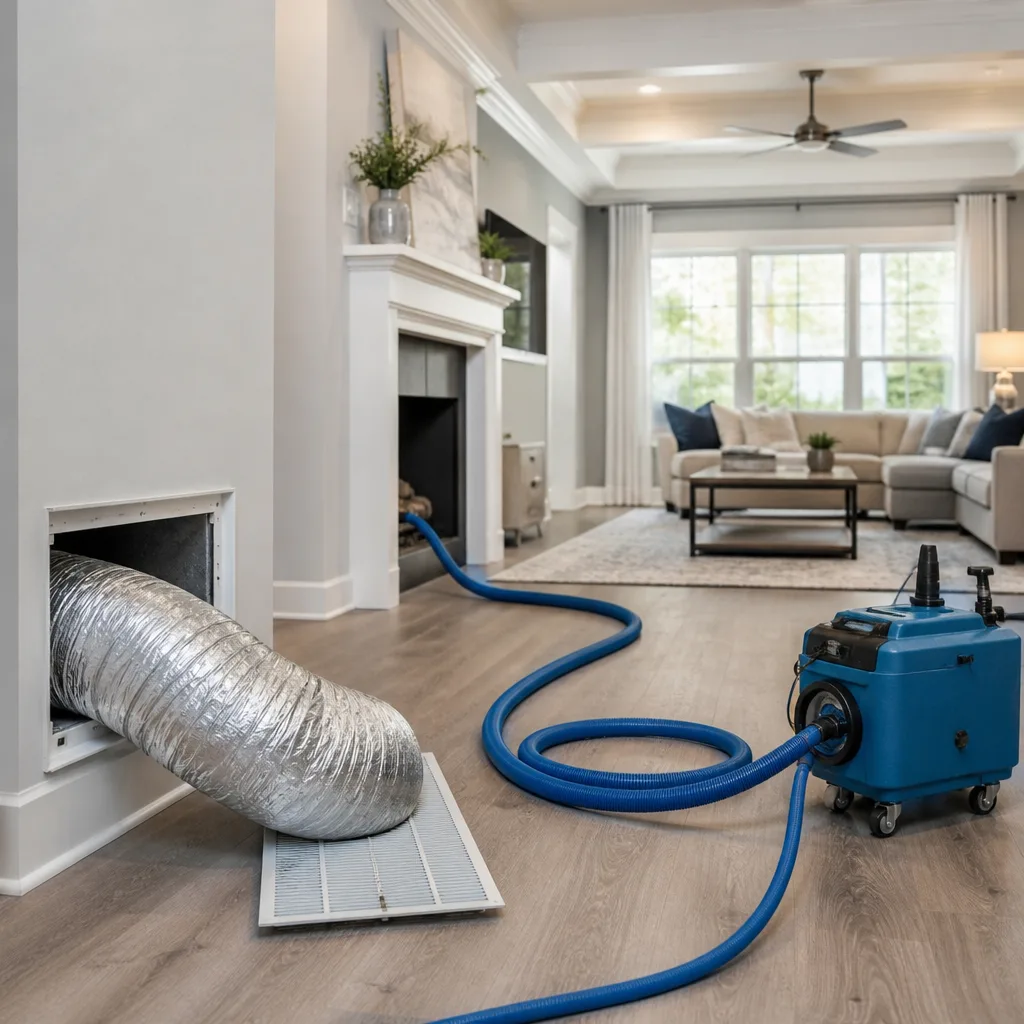 Whole-home duct cleaning
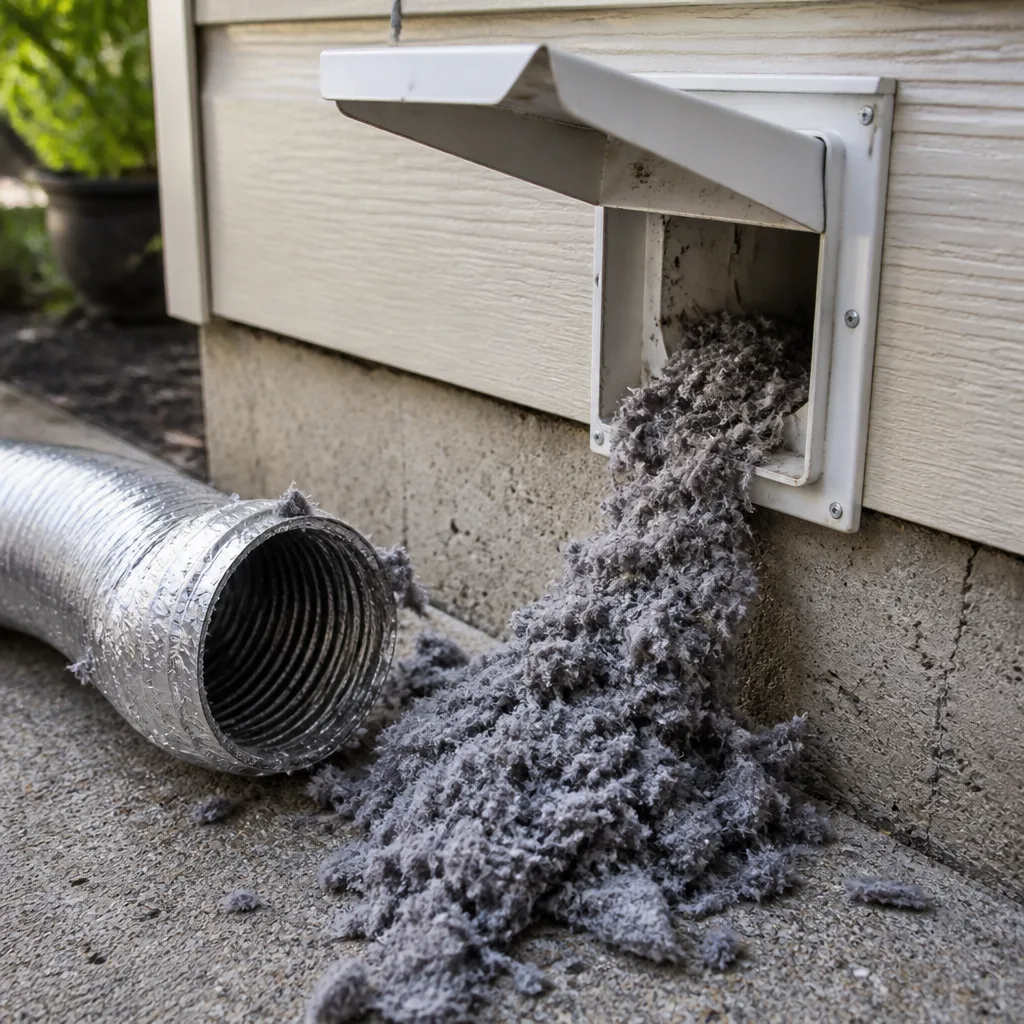 Dryer vent cleaning
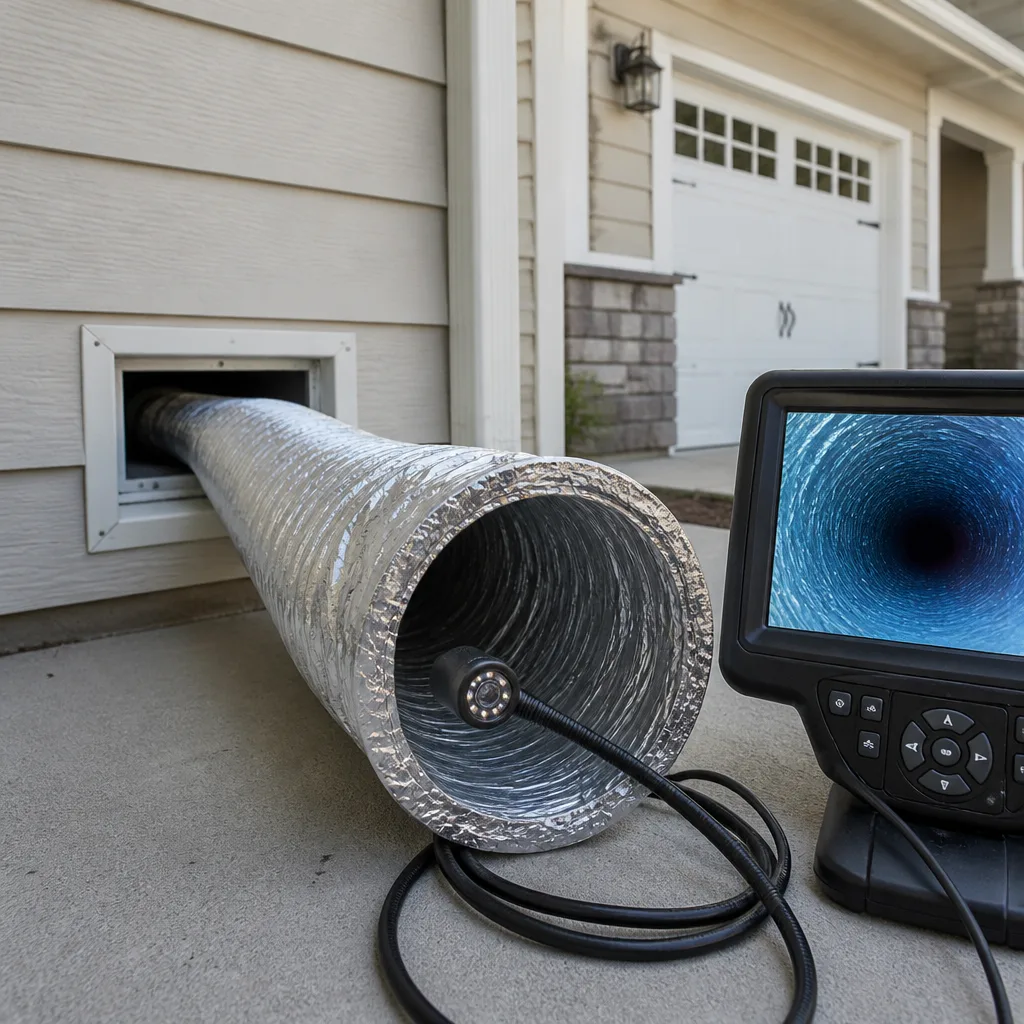 Camera inspection
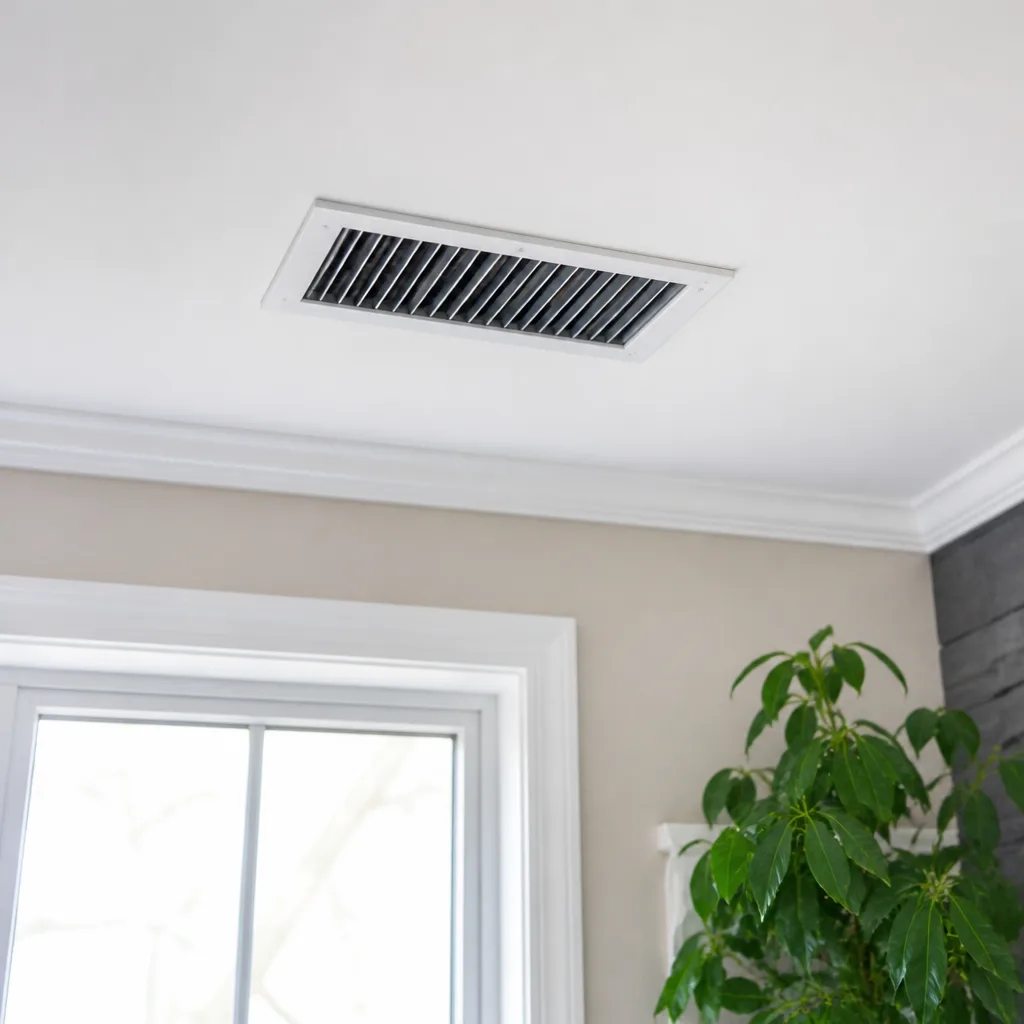 Sanitizing & deodorizing
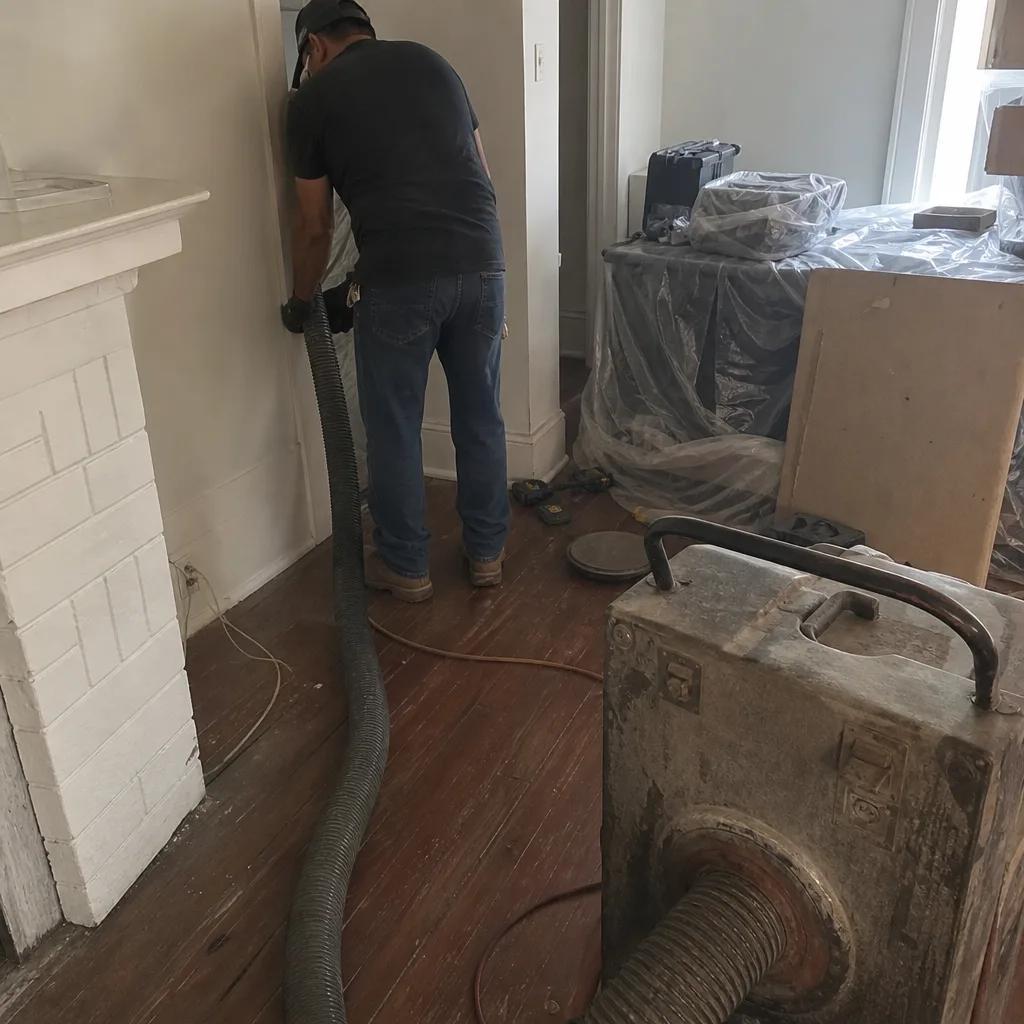
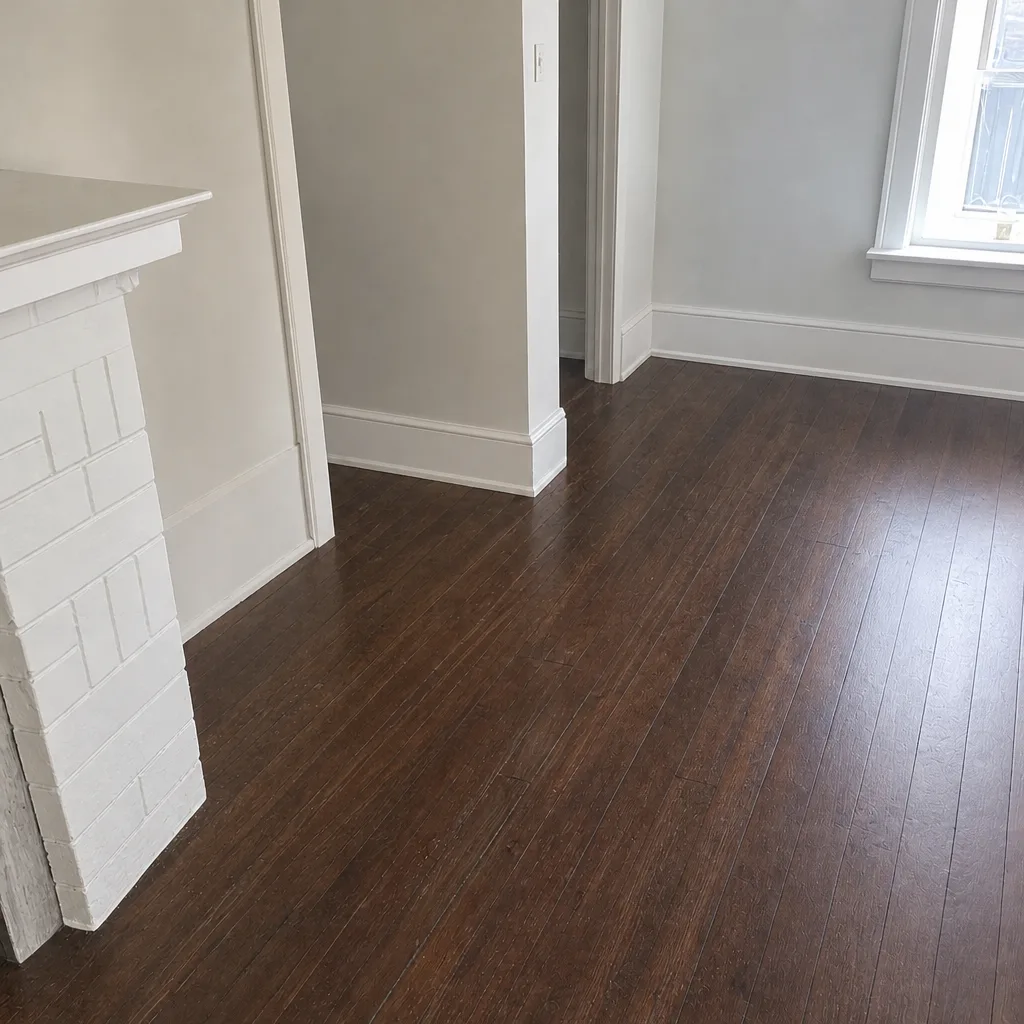
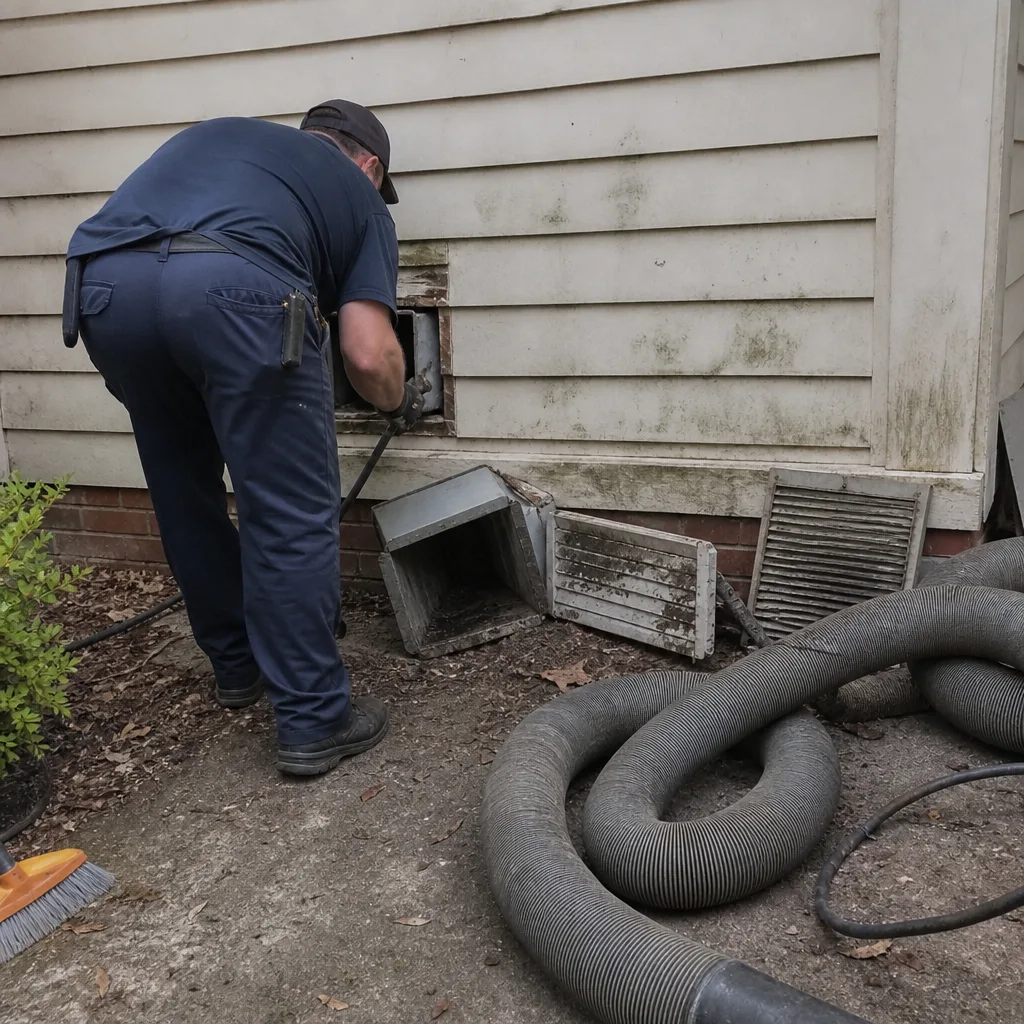
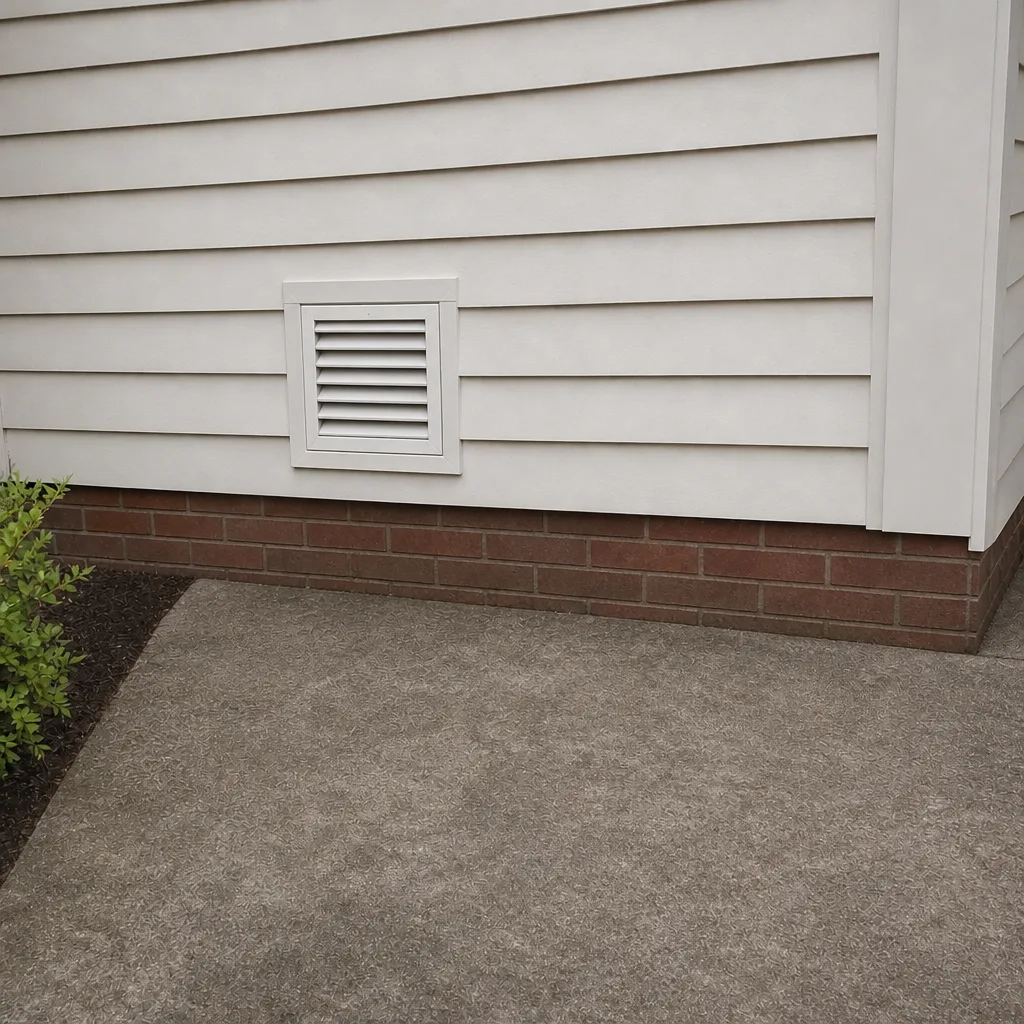
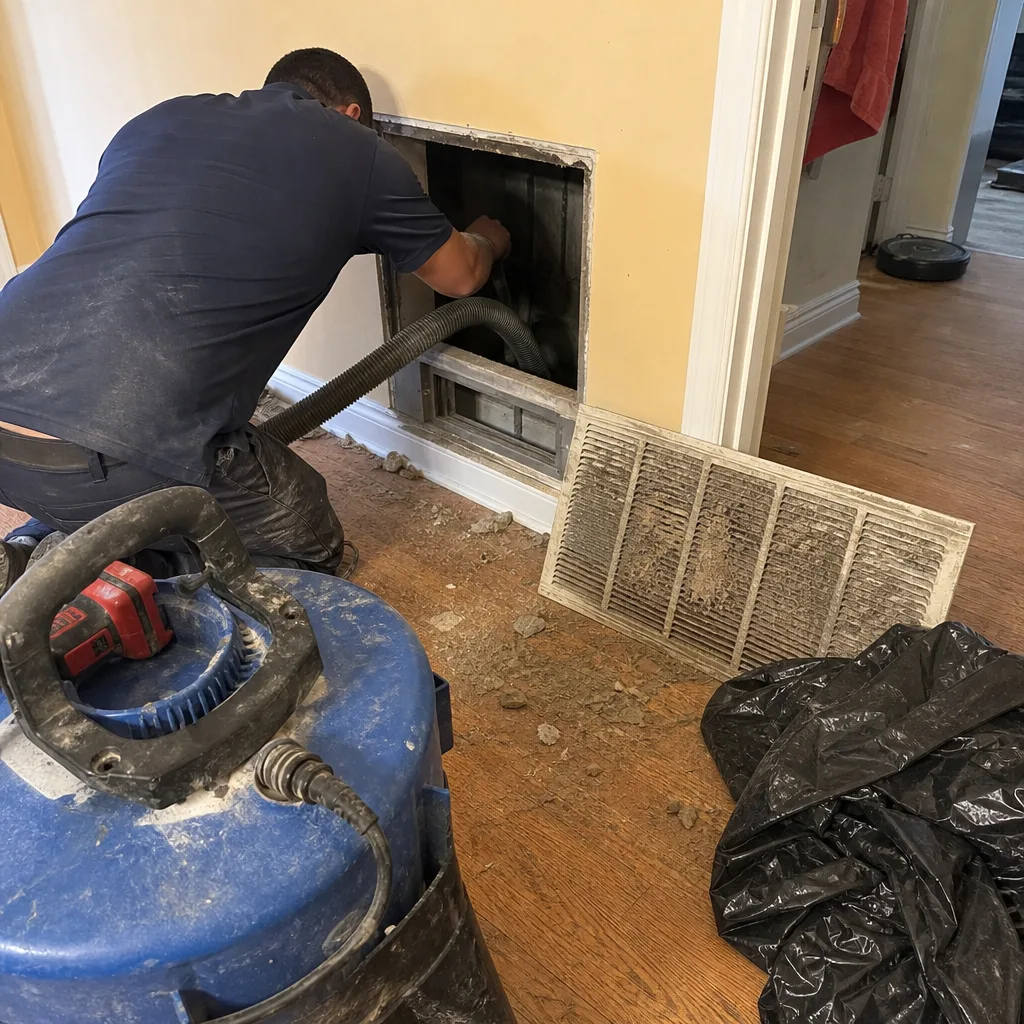
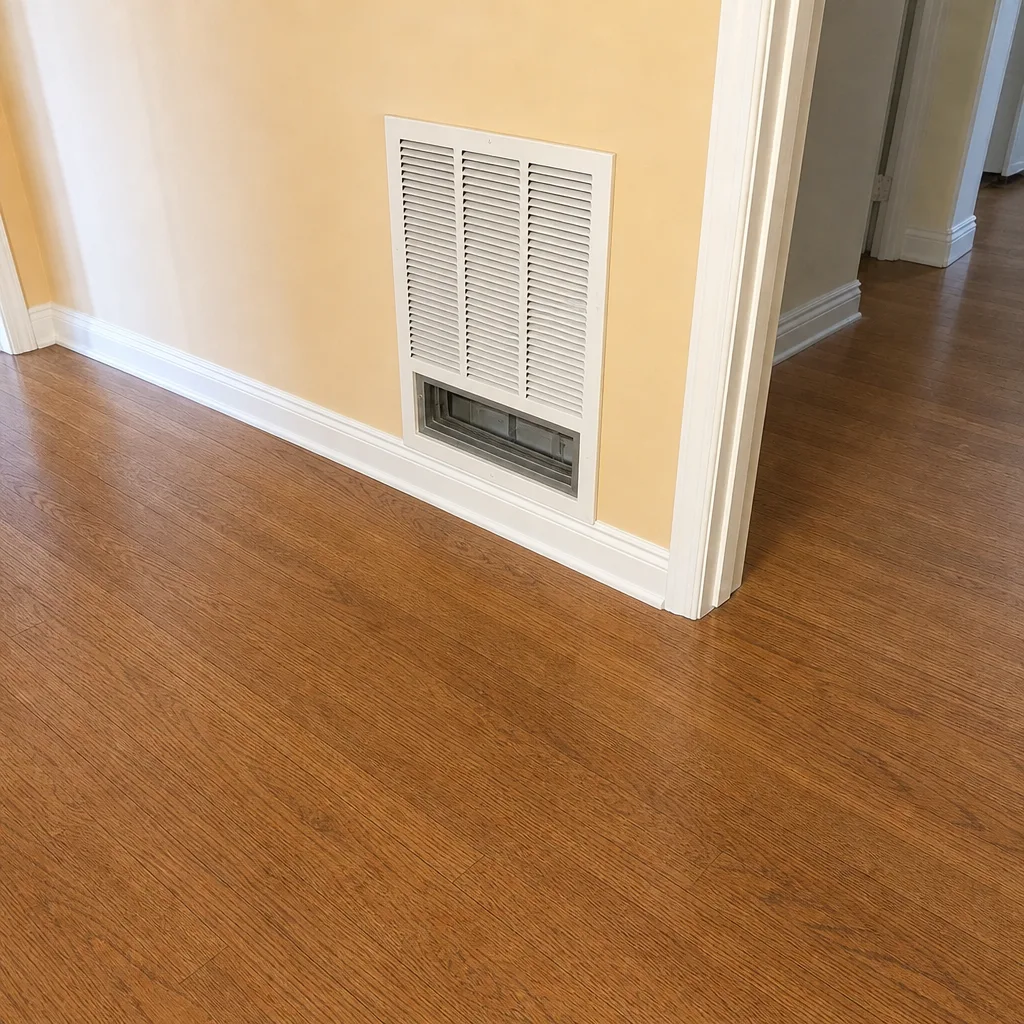
Whole-system duct and dryer vent check with before-and-after photos - you see exactly what came out of your vents
That "$99 whole-house special" is a bait ad - the real number appears once they are in your hallway, or the "clean" is a shop-vac at the register. We photograph the inside of your ducts before and after instead.
DIY vs Professional Air Duct Cleaning: The Metairie Homeowner’s Decision Guide
Here’s the part most DIY guides skip: a shop vac fitted with a dryer vent brush kit cleans what you can reach from the register opening. That’s roughly the first two feet of a duct run that may stretch thirty feet to the air handler. The reach isn’t the only limit. It’s the physics. Loose debris inside a duct doesn’t sit still while you work; disturb it without negative pressure holding the system under vacuum, and it goes somewhere, and that somewhere is usually your living room. This guide is written for Metairie homeowners who want to know exactly where DIY stops being useful and starts being a risk, what professional equipment actually does differently, and how to run an honest cost comparison before spending a dollar on either path.
Styles & brands we work with
- Whole-home duct cleaning
- Dryer vent cleaning
- Camera inspection
- Sanitizing & deodorizing
Quick Answer
DIY air duct cleaning can handle surface-level dust at registers, filter swaps, and visual inspection with a phone camera, but it cannot remove settled debris from deep in the duct run because consumer tools lack the negative pressure extraction that professional systems use to capture contaminants instead of redistributing them. In a Metairie home with flex duct and a long cooling season, that difference matters more than in drier climates, which is why deep cleaning is a professional job and register-level upkeep is a reasonable DIY task.
Table of Contents
- What DIY Air Duct Cleaning Actually Reaches
- Why Negative Pressure Extraction Is the Whole Game
- When DIY Intervention Is Genuinely Useful
- Why Metairie Duct Conditions Raise the Stakes
- What Happens When DIY Dislodges Debris Without Extraction
- The Honest Cost Comparison: DIY vs Professional
- What Professional Equipment Does, Step by Step
- Common Mistakes to Avoid
- When to Call a Professional
- Frequently Asked Questions
What DIY Air Duct Cleaning Actually Reaches
The honest answer is: less than most people expect. From a floor or ceiling register, a homeowner with a vacuum hose and a flexible brush can reach into the branch run a short distance. In a typical Metairie house, that branch run connects to a trunk line, which connects to the air handler. The trunk and the handler-side plenum are where the bulk of accumulated dust, lint, and settled debris lives, and they’re behind turns, dampers, and fittings that a handheld brush can’t navigate.
Here’s what a homeowner can realistically do without professional tools:
- The register face and boot: the grille, the screws, and the first stretch of ducting immediately behind the opening. This is where visible dust collects first, and wiping it down genuinely helps indoor air quality at the margin.
- The filter slot and filter itself: replacing a clogged filter is the highest-value maintenance task in any forced-air system, and it’s entirely DIY.
- Visual inspection: a phone camera with the flash on, held just inside a register, will show you whether the interior surfaces are lightly dusty or heavily coated. That photo tells you whether the problem is cosmetic or structural.
- Return air grilles: these collect more dust than supply registers because they pull room air, and they’re easy to remove and clean.
What a homeowner cannot do is agitate and extract debris from the full length of the duct run. That requires a rotary brush system that travels the duct under power, and a vacuum strong enough to hold the whole system under negative pressure while the brush works. Consumer vacuums don’t produce that. Not because they’re poorly made, but because they’re not built for it.
If you want a sense of how the full system is meant to be serviced, our air duct cleaning page walks through the process from register to air handler.
Why Negative Pressure Extraction Is the Whole Game
This is the concept that separates professional duct cleaning from every DIY attempt, and it’s worth understanding properly because it explains everything else in this guide.
Dust and debris inside a duct are not fixed in place. Some of it is adhered to the duct wall, but a lot of it is loosely settled, sitting on the bottom of horizontal runs or clinging to the underside of flex duct ribs. The moment you disturb it with a brush or a vacuum nozzle, it becomes airborne. In an open system, airborne debris goes wherever the air pressure pushes it. With the blower off and no extraction running, that means back into the room you’re standing in.
Negative pressure extraction works like this: a high-capacity vacuum is connected to the duct system, typically at the air handler or through a dedicated access point, and it pulls the entire duct network into a state of negative pressure relative to the rooms. Every opening, every register, becomes an intake rather than an exhaust. When the rotary brush dislodges debris, that debris is drawn toward the vacuum and captured, not released into the house.
This is why the equipment matters, and why we run Rotobrush rotary brush systems and Nikro vacuum units rather than improvised tools. It’s also why we deploy Abatement Technologies air filtration units on site to control any particulates that escape during the service. The containment isn’t a nice extra. It’s the difference between cleaning a system and stirring one up.
No shop vac, no matter how powerful, replicates this setup. A shop vac pulls air from the room into its hose. A professional extraction system pulls air from the ducts into a HEPA-filtered collection unit while the entire duct network is sealed and under vacuum. Those are two different jobs.
When DIY Intervention Is Genuinely Useful
We’re not going to tell you that every duct cleaning task requires a professional. Plenty of routine upkeep is well within a homeowner’s reach, and doing it consistently reduces how often you need the bigger service. Here’s where DIY earns its place:
- Register-level dust removal. Remove the grilles, wash them in the sink, wipe the boot interior with a damp cloth. Do this at the start of the heavy cooling season and again when it winds down. In Metairie, that’s a meaningful window because the AC runs for most of the year.
- Filter changes. Check the filter monthly during peak cooling and replace it on schedule. A clogged filter starves airflow, which raises static pressure in the ducts and makes everything else worse. This is the single most important thing you can do yourself.
- Visual inspection. Take a photo inside each register with your phone’s flash. If you see light dust, you’re fine. If you see dark buildup, matted debris, or anything that looks like organic growth, that’s a signal to stop and get it looked at professionally.
- Return grille cleaning. Returns accumulate dust fast. A vacuum brush attachment on the grille face and a wipe-down of the frame keeps the return path cleaner and is entirely safe.
- Dryer vent exterior check. Pull the exterior vent flap and confirm it opens freely and isn’t packed with lint. That’s a quick check that protects against a real fire hazard, and we cover the full scope on our dryer vent cleaning page if the buildup turns out to be more than surface lint.
Notice what’s not on that list: inserting a brush into a duct run and running it as far as it will go. That’s the task that gets homeowners into trouble, and the next section explains why the risk is higher here than in most places.
Why Metairie Duct Conditions Raise the Stakes
Duct cleaning isn’t the same job in every climate, and Metairie’s conditions make the DIY calculation more consequential than it would be in a dry, mild part of the country.
Long runtime, high humidity
Metairie homes run their air conditioning for most of the year. That long runtime means more air cycles through the duct system, more dust drawn in, and more condensation potential on cold duct surfaces during the humid months. Duct interiors that stay slightly damp are more likely to support biological growth than duct interiors in a drier climate. If your ducts have that kind of buildup, disturbing it without containment isn’t a cosmetic problem.
Flex duct prevalence
A large share of Metairie homes use flex duct, the flexible, ribbed plastic-and-wire ducting common in residential construction. Flex duct is efficient to install and easy to route through tight attic spaces, but its ribbed interior catches debris more readily than smooth metal duct, and it’s more fragile than it looks. A homeowner pushing a rigid brush through flex duct can tear the inner liner or separate a joint. Once a flex run is compromised, it leaks, and a leaking duct in a humid climate is a condensation and air quality problem, not just an efficiency one.
Attic and crawlspace routing
Much of the ductwork in Metairie homes runs through unconditioned attic space or under the floor. That means many of the runs you can’t see from a register are also the runs most exposed to heat and humidity swings. Visual inspection from the register won’t show you a disconnected flex joint twenty feet into the attic, but that disconnected joint is pulling attic air into your living space every time the system runs.
For a wider view of how these local conditions shape service, our Metairie page covers the area-specific context we work with.
What Happens When DIY Dislodges Debris Without Extraction
This is the failure mode worth understanding clearly, because it’s the most common unintended consequence of DIY duct cleaning.
When you insert a brush or a vacuum nozzle into a duct and start working it around, you loosen adhered debris. Some of it comes back down the hose. A lot of it doesn’t. It lifts into the airstream inside the duct and settles wherever the air pressure carries it. With the system off and no extraction running, the pressure differential between the duct interior and the room is small, so the debris tends to drift out of the register opening and into the room. You’ve effectively moved dust from inside the duct to the surface of your furniture.
If the system is running while you work, it’s worse. The blower pushes the loosened debris through the supply runs and out every register in the house at once. The visible result is a fine dust film on horizontal surfaces within minutes. The invisible result is that whatever was in the duct is now in the air your family is breathing.
In a Metairie home where duct interiors may carry moisture-related buildup, that redistribution is a real concern rather than a theoretical one. This is the core reason why professional service uses containment: Abatement Technologies filtration units capture airborne particulates at the source, and the negative pressure setup keeps the loosened material moving toward the vacuum instead of into the room. Without that, DIY cleaning can leave a home dustier than it started.
If you suspect your ducts have more than superficial dust, or if the system has ever run with a damaged or disconnected duct, the right next step isn’t a brush kit. It’s a look at whether the ductwork itself is sound. That’s what our air duct repair service addresses, and it’s a step most cleaning-only providers skip entirely.
The Honest Cost Comparison: DIY vs Professional
We’re not going to pretend professional service is free, and we’re not going to pretend DIY is either. The honest comparison is about what each path actually costs when you count everything, not just the sticker price.
What DIY actually costs
Most homeowners who attempt a serious duct cleaning end up buying or renting equipment. Here’s what that typically involves:
- A shop vac capable of handling the job: a basic model won’t produce enough suction to matter. A serious unit is a real purchase, and it’s not designed for duct interiors.
- Duct cleaning brush kits: these vary widely in quality. The cheap ones shed bristles or break inside the duct, which is worse than not cleaning at all.
- A HEPA filter rated for fine dust: standard shop vac filters pass the finest particles straight through, which defeats the purpose.
- Personal protective equipment: respirator, eye protection, gloves, and a plan for where the dust is going to land.
- Time: a thorough attempt on a typical Metairie home takes most of a day, and the result is still limited to what the equipment can reach.
What professional service costs
Professional air duct cleaning in Metairie is priced per system, not per vent, which is the first thing to understand when comparing quotes. The written estimate you receive before work starts sets the final price, and that estimate should reflect the size of the system, the condition of the ductwork, and whether any repair work is needed. We quote one flat price per system so you know the number before anyone touches your ducts.
The comparison that actually matters isn’t DIY cost versus professional cost. It’s whether the DIY result solves the problem. If a homeowner spends a day and several hundred dollars on equipment and still has dusty registers and a system that’s drawing from disconnected ductwork, the DIY path didn’t save money; it postponed a real fix. For a clearer picture of what whole-system service involves, our main duct cleaning Metairie page lays out the scope.
A side-by-side look
| Factor | DIY | Professional |
|---|---|---|
| Reach into duct run | First two feet from register | Full run, register to air handler |
| Mechanical agitation | Handheld brush, limited | Rotobrush rotary brush system |
| Debris capture | Shop vac, partial | Nikro negative pressure extraction |
| Airborne containment | None | Abatement Technologies filtration |
| Duct integrity check | Visual only | Full inspection, repair capability |
| Pricing | Equipment + a full day | One flat price per system, agreed before work starts |
What Professional Equipment Does, Step by Step
The clearest way to understand why professional service works is to see what each piece of equipment actually does. Here’s the sequence a proper cleaning follows.
- System assessment. Before any equipment runs, we inspect the ductwork for disconnected joints, damaged flex runs, and signs of moisture problems. Cleaning a duct system that’s leaking is wasted effort, and it’s the reason we treat air duct repair as a standalone service rather than an upsell.
- Containment setup. An Abatement Technologies air filtration unit goes in place to capture airborne particulates during the service. This is the same category of equipment used in professional remediation work, and it’s what keeps the debris from landing on your furniture.
- Negative pressure established. A Nikro vacuum unit connects to the system and pulls the entire duct network under negative pressure. Every register becomes an intake. Loosened debris moves toward the vacuum, not into the room.
- Mechanical agitation. A Rotobrush rotary brush system travels the duct runs, scrubbing the interior surfaces and dislodging adhered debris that a vacuum alone can’t lift. This is the step that separates a real cleaning from a surface pass.
- Extraction and verification. Debris is collected in the vacuum’s filtration system. Before-and-after photos of your ducts show what came out, which is the only way to know the work was done.
- Component check. Filters, humidifier pads, and air-quality accessories get checked as part of the service. We work with brands like Honeywell and Aprilaire, so we can flag when a component needs replacement rather than just cleaning.
The whole point of this setup is that every step supports the next. Agitation without extraction redistributes. Extraction without agitation leaves adhered debris behind. Containment without either does nothing. It’s a system, and that’s why improvised tools can’t replicate it.
Common Mistakes to Avoid
- Running a brush through flex duct without knowing its condition. If the liner is already torn or the joint is loose, a brush makes it worse. In a Metairie attic, a compromised flex run pulls hot humid air into the living space all summer, and that’s a bigger problem than the dust you were trying to remove.
- Using a shop vac as if it were an extraction system. A shop vac pulls air from the room into the hose. It doesn’t hold the duct system under negative pressure, so loosened debris goes wherever the pressure sends it.
- Cleaning with the system running. This is the fastest way to distribute dislodged debris through every supply register in the house. Turn the system off before any duct work, DIY or professional.
- Skipping the filter for months. A clogged filter raises static pressure, which makes every other duct problem worse. In Metairie, where systems run most of the year, monthly checks during peak cooling are worth the two minutes.
- Ignoring the dryer vent. Lint buildup in a dryer vent is a fire hazard, and it’s the most overlooked duct in the house. A dryer that takes two cycles to dry a load is telling you the vent is restricted, and that’s not a job for a brush on a stick.
- Assuming visible dust at the register means the whole system is dirty. Register dust can be a filter problem, an airflow problem, or a duct problem. Diagnosing it correctly matters more than cleaning the grille.
- Treating cleaning as a substitute for repair. If a duct is disconnected or leaking, cleaning it doesn’t fix it. The system will just re-contaminate, and you’ll be back where you started. Fixing the integrity of the system comes first, then cleaning.
When to Call a Professional
Call a professional when the problem is beyond what a shop vac and a brush can reach. Specific situations that warrant a call: dark or matted buildup visible inside a register, a musty smell that returns after filter changes, a dryer taking two cycles to dry a normal load, visible mold or organic growth near a register, a system that has run with disconnected or damaged ductwork, or a home where anyone in the household has respiratory concerns and the ducts haven’t been serviced in years. Any of these point to conditions a DIY pass can’t resolve and may make worse.
Our technicians have up to 9 years of experience, and we use Rotobrush, Nikro, and Abatement Technologies equipment specifically because the reach and containment matter more than the label on the truck. Duct Cleaning Metairie offers free estimates in Metairie – call (833) 576-1083.
Frequently Asked Questions
Air duct cleaning in Metairie is priced per system, not per vent, so the number depends on the size of your system and the condition of the ductwork. The written estimate you receive before work starts sets the final price, and estimates are free. Call (833) 576-1083 for an exact quote.
A shop vac can clean the register face and the first short stretch of duct behind it, but it can’t hold the system under negative pressure, so it can’t extract debris from deep in the run. It can actually make things worse by loosening settled debris and pushing it into the room. For anything beyond surface dust, extraction equipment is the difference.
Cheap quotes usually mean the provider is cleaning what’s visible and skipping the extraction and containment that make a real difference. A low price on a per-vent basis often becomes a much larger invoice once the technician is on site. We quote one flat price per system agreed before work starts, with before-and-after photos of your own ducts so you can see what was removed. Call (833) 576-1083 for an honest estimate.
Ask for before-and-after photos of your own ductwork. Any honest provider will show you what came out and where it came from. If a provider can’t document the work, that’s your answer about whether it happened. We photograph before and after on every job, and the images are yours.
Most homes don’t need annual cleaning, but Metairie’s long cooling season means systems run more hours per year than in much of the country, so dust accumulates faster. A reasonable rule of thumb is to check your ducts visually once a year with a phone camera and schedule service when buildup becomes visible or when you notice musty odors or unexplained allergy flare-ups. If you’re not sure, call (833) 576-1083 and we’ll tell you honestly whether you need it.
Stop cleaning and get the ductwork inspected first. A disconnected or torn duct will re-contaminate as soon as it’s cleaned, and in a humid climate it also pulls hot attic air into the living space. Repairing the system’s integrity comes before cleaning it. Call (833) 576-1083 and we’ll take a look at both together.
The Bottom Line
The DIY versus professional duct cleaning question comes down to reach and physics, not effort. A homeowner can meaningfully handle register dust, filters, and visual inspections, and those tasks are worth doing consistently. What a homeowner can’t do is agitate and extract settled debris from a duct run that extends thirty feet to the air handler without the negative pressure that captures it instead of redistributing it into the room. In Metairie, where flex duct and a long humid cooling season raise the stakes, that gap between DIY and professional matters more than in drier climates. The right call is to know which tasks are yours and which ones need the equipment.
If your ducts are past due for a real cleaning, or if you suspect the system has an integrity problem that cleaning alone won’t fix, give us a call. We clean it, and if it’s broken, we fix it. Professional-grade equipment, one flat price per system agreed before work starts, and before-and-after photos so you can see exactly what came out of your ducts. Call (833) 576-1083 for a free estimate. We answer 24/7, with fast dispatch from 7am to 7pm, Sunday through Friday.
Written by the team at Duct Cleaning Metairie.
See the difference
 Before
 After
 Before
 After
 Before
 After