
Last updated November 15, 2026
 Whole-home duct cleaning
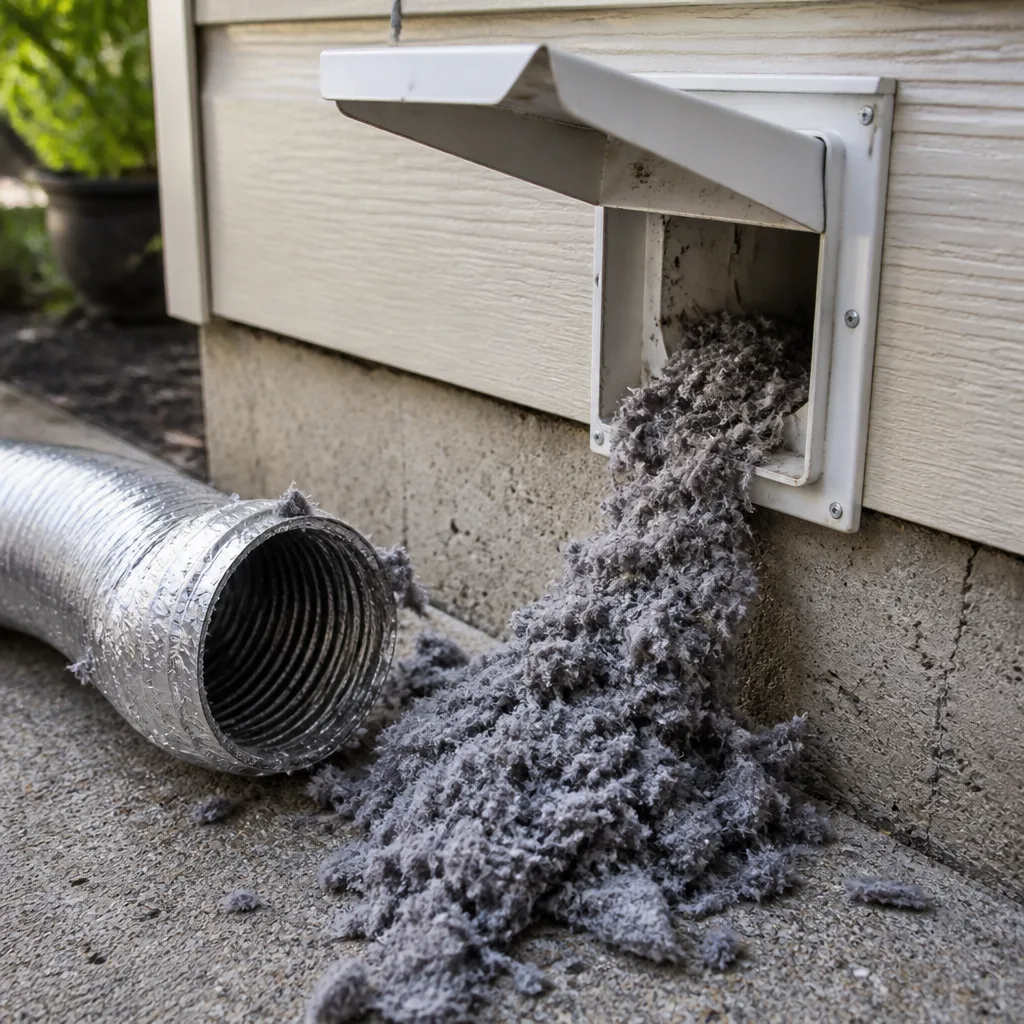 Dryer vent cleaning
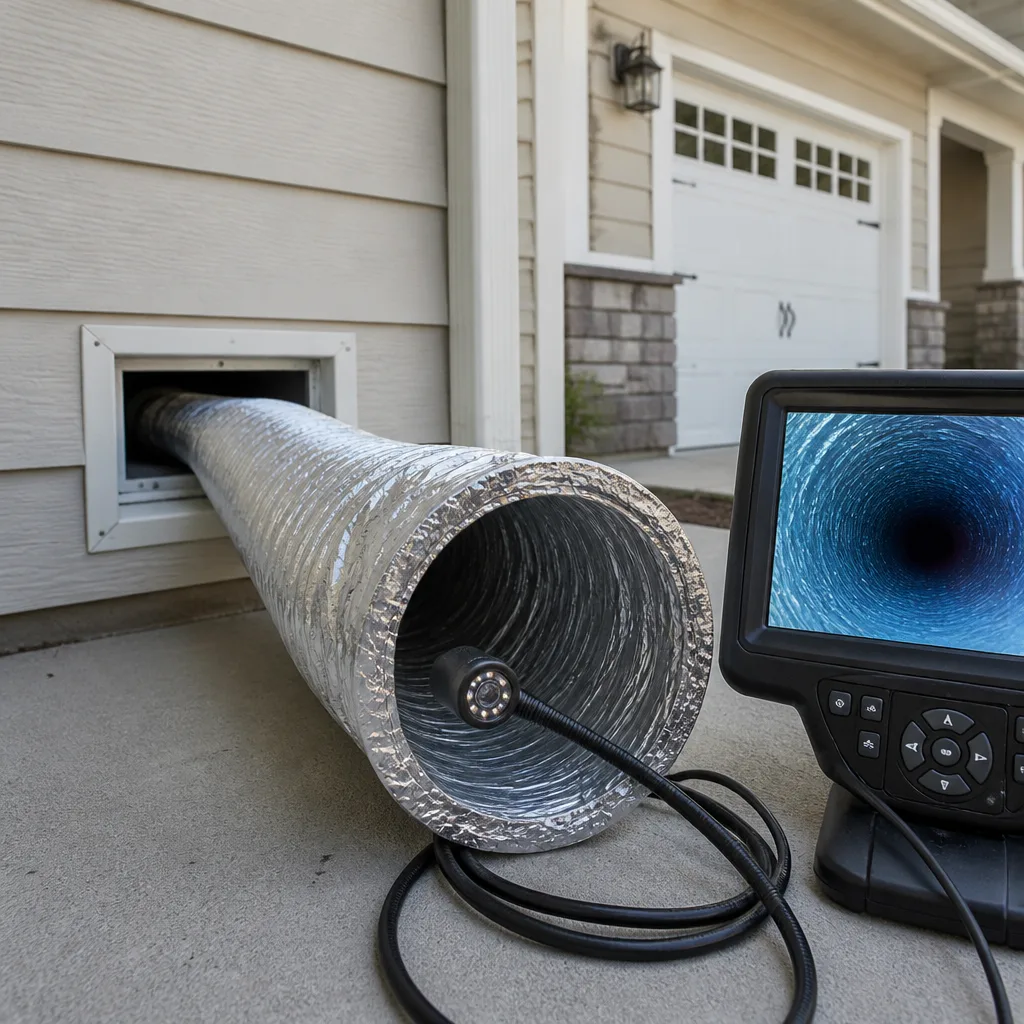 Camera inspection
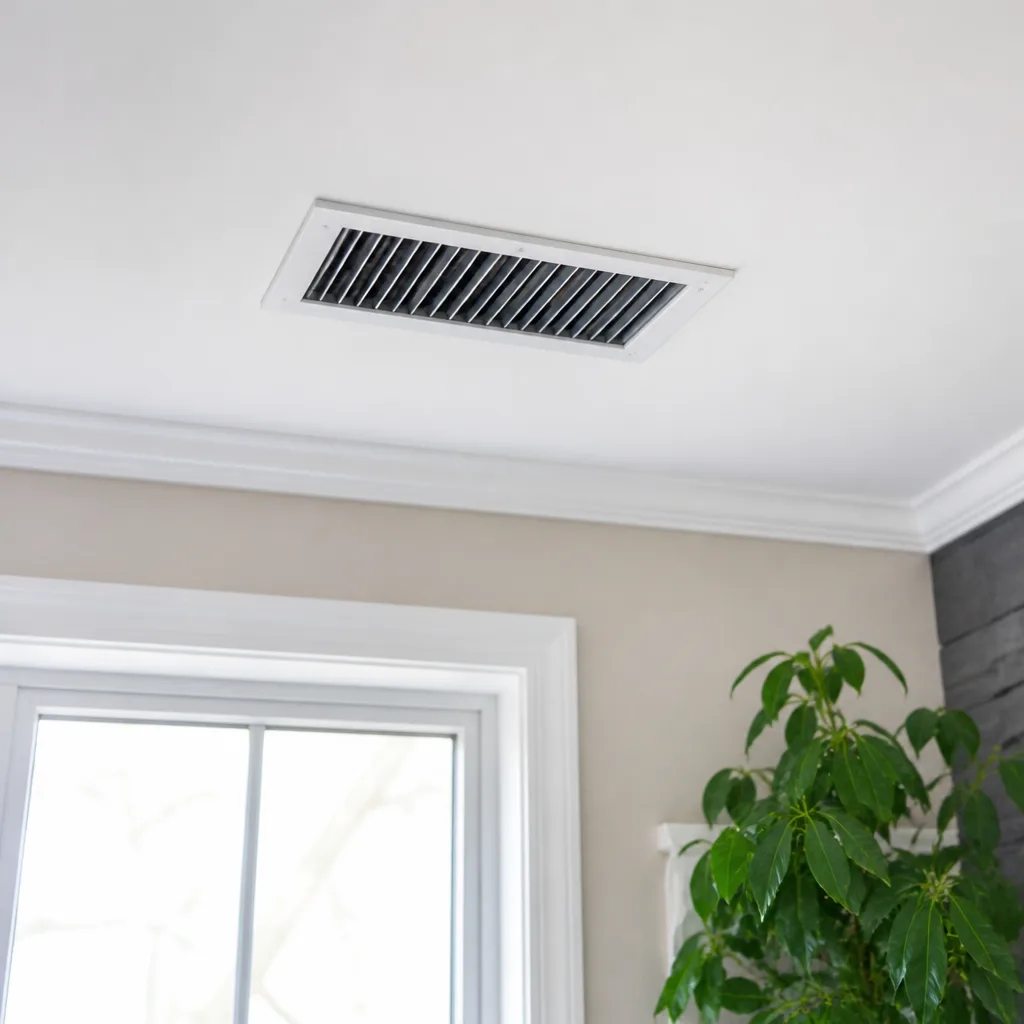 Sanitizing & deodorizing
Whole-system duct and dryer vent check with before-and-after photos - you see exactly what came out of your vents
That "$99 whole-house special" is a bait ad - the real number appears once they are in your hallway, or the "clean" is a shop-vac at the register. We photograph the inside of your ducts before and after instead.
Seasonal Air Duct Cleaning Care for Metairie: Year-Round Homeowner’s Guide
Spring and fall are the standard “get your ducts cleaned” seasons almost everywhere else. In Metairie, those are the same months you’re battening down for or digging out from hurricane season. Your duct maintenance timing should reflect that reality instead of copying a national marketing calendar written for a place with four crisp seasons. In this guide we’ll walk through how the Metairie climate actually loads your duct system month by month, what to inspect before June 1, why the peak cooling stretch is when condensation and biofilm problems get their opening, how to restart a system after a storm, and how to log what you see so it’s useful when you sell or file a claim. Count on about fifteen minutes of reading and a short checklist you’ll use all year.
Quick Answer
Seasonal air duct cleaning in Metairie works best when it’s built around the local weather rather than the national spring-and-fall script. That means a documented inspection before hurricane season starts on June 1, close attention to condensation and moisture during the June-to-September cooling peak, a careful restart protocol after any storm that brought water or a long power outage, and a heating-cycle check in the short winter window. Cleaning itself is usually scheduled around those checkpoints, not on a fixed annual date.
Styles & brands we work with
- Whole-home duct cleaning
- Dryer vent cleaning
- Camera inspection
- Sanitizing & deodorizing
Table of Contents
- Why the Metairie Seasonal Calendar Doesn’t Match the National One
- Pre-Hurricane Season Preparation: What to Inspect and Document Before June 1
- Peak Cooling Season: Why June Through September Is When Duct Moisture Risk Peaks
- Post-Storm Restart Protocol: Steps Before You Turn the System Back On
- The Brief Louisiana Winter Window and Your Heating Cycle
- How to Keep a Seasonal Duct Log That Pays Off at Sale or Claim Time
- Cleaning vs. Repair: Knowing Which Seasonal Problem You’re Looking At
- Putting It All Together
Why the Metairie Seasonal Calendar Doesn’t Match the National One
Most duct cleaning advice online is written for a climate with a long heating season and a short cooling season. Metairie runs the opposite way. Your air conditioner carries the load for roughly nine months of the year, and the furnace barely gets a workout. That single fact rearranges almost everything about how you should think about duct care.
When the cooling system runs most of the year, it’s doing two jobs at once. It’s moving air, and it’s removing moisture. Every hour the coil and the ductwork spend below the dew point is an hour when condensation is possible inside the system. The national guides don’t emphasize this because in most of the country the AC runs hard for two or three months and then rests. Here it never really rests, so the moisture exposure is cumulative and year-round.
The other local wrinkle is storm risk. From June through November, the same stretch that covers your heaviest cooling demand is also when a tropical system can bring wind-driven rain, extended power outages, and water intrusion into attics and wall cavities. That means duct maintenance in Metairie has to serve two masters at once: keeping the cooling system healthy through a long, humid run, and being ready to inspect and document damage when a storm passes through.
We’ve built the seasonal plan in this guide around a simple principle: schedule the work around the local weather events that matter, not around a marketing calendar. Below is the general shape of the year.
- February through May: preparation window. Inspect, document, and address any pre-existing duct problems before storm season arrives.
- June 1 through November 30: hurricane season. The cooling system is at peak load, and storm risk is live.
- December through January: the short heating window and the best time to look at heat-exchanger adjacency to the ductwork.
- Any time after a storm: restart protocol before powering the system back on.
The cleaning itself, when it’s called for, fits into whichever of those checkpoints reveals a genuine problem. That could be a pre-season baseline inspection, a mid-summer moisture issue, or a post-storm restart. For the full scope of what a proper cleaning job involves, see our air duct cleaning page.
Pre-Hurricane Season Preparation: What to Inspect and Document Before June 1
The single most useful thing you can do before June 1 is establish a documented baseline of what your duct system looks like when it’s healthy. If a storm later damages the system, you’ll have a dated record showing exactly what was intact beforehand, which is exactly what an insurance adjuster needs to separate storm damage from pre-existing wear.
You don’t need specialized equipment for the walkthrough. A phone camera, a notebook, and thirty minutes will do most of it. Here’s the sequence we recommend to Metairie homeowners each spring:
- Photograph every visible vent and register. Get one shot of each grille with a label in frame so you know which room it belongs to. Note the approximate date.
- Note the condition of the grilles and the immediate area around them. Dust streaks, dark rings around the edges, and visible buildup on the slats are worth recording.
- Check the attic ducts for physical condition. Look for disconnected sections, kinked or crushed flex duct, sagging runs, and any visible moisture stains or standing water on nearby sheathing.
- Test each room for airflow. A sheet of tissue held near the register will tell you a lot. If one room’s airflow is noticeably weaker than the others, write that down.
- Smell the air near a running vent. A musty or damp smell near a register is a documented observation worth flagging.
- Photograph the air handler and return plenum area. The area around the filter slot and return box is where a lot of moisture problems show first.
Once you’ve done that walkthrough, store the photos in a single folder labeled by year, and note the date of the inspection in your records. If you later have a professional inspection, or a professional-grade cleaning with duct cleaning in Metairie or a dryer vent cleaning, keep the before-and-after photos from that job in the same folder. A dated, sourced photo record is far more persuasive to an adjuster than a verbal claim.
It’s also the ideal time to fix any duct problem you already know about. Cleaning alone cannot repair a disconnected duct or a crushed flex run. That’s the reason we treat air duct repair as a standalone service. Get the system sound in the spring so it’s sound when the season starts.
Peak Cooling Season: Why June Through September Is When Duct Moisture Risk Peaks
Condensation risk inside ductwork peaks in water-cooled regions during the hottest, most humid months, and Metairie’s June-through-September stretch sits squarely on top of that risk. The reason is straightforward. Cold duct surfaces in warm, humid attic air are the same thing as a glass of iced tea on your kitchen counter: the colder the surface and the wetter the air, the more water collects on the outside. And in a poorly sealed duct system, the same physics works on the inside when a return run pulls humid attic or crawlspace air into the stream.
Two problems follow. The first is biological. Damp, consistently-warm-late surfaces with dust on them are where biofilm and mildew establish, and once they do, no amount of opening windows will clear the smell. The second is mechanical. Water sitting on duct surfaces or on nearby wood eventually degrades the material and the insulation around it, which lowers the system’s efficiency and can start to feed mold into the living space.
Here’s what to watch for during the peak months. These are the signals we hear about in Metairie when something is actually wrong, not just running normally.
- Musty odor that appears or worsens on hot, humid days. That pattern points to condensation-driven growth somewhere in the system.
- Condensation on the supply registers. A little momentary fog on a cold register is normal on a humid morning. Droplets collecting and dripping is not.
- Wet spots or dark stains near returns or the air handler. Any water where water shouldn’t be is a call.
- A sudden increase in dust on horizontal surfaces in a specific room. That can point to leakage in a nearby duct run.
- Higher power bills with no other use change. Restricted or leaking ducts force the system to work harder to do the same job.
Homeowners often assume the answer to a summer smell is to spray a deodorizer or add an air purifier. That treats the symptom. If the source is a damp duct interior, the fix is to clean and dry the duct, find and seal the moisture entry, and only then consider air-quality accessories. The filters on systems running Honeywell or Aprilaire media cabinets, for example, do a good job of what they’re designed to do. They don’t cure a wet duct.
Post-Storm Restart Protocol: Steps Before You Turn the System Back On
If a tropical system passed through and your home was in the path, resist the instinct to flip the breaker as soon as the lights come back on. Turning on a system that has taken on water is one of the fastest ways to turn a repairable duct problem into a much larger job, and it can be unsafe. The safe sequence is short and specific.
Here’s the restart protocol, in order:
- Do not restore power to the HVAC equipment until the system has been visually inspected. The outdoor condenser and the indoor air handler both need a look before they run.
- Look for water intrusion at the air handler and along visible duct runs. Standing water, wet insulation, sagging attic sheathing, and visible damp on duct joints are all signals to hold off.
- Smell the air near the return before restoring power. A damp or musty odor at the return means moisture has been in the system.
- Check the air filter. If it’s wet, remove it and do not replace it until the system is confirmed dry.
- If there isany water intrusion or moisture inside the duct or at the equipment, keep the system off and call for an inspection. A trained technician can confirm whether the ducts are dry enough to run.
- If the system sat without power for an extended period, watch the first hour of operation closely. A system that cooled, shut down for several hot, humid days, and then restarted has been through a moisture cycle. If it develops a smell or performs poorly, that’s a signal to inspect.
Water intrusion is not the only concern. A long outage in Metairie’s summer heat is itself a moisture event: cold ducts warm up, condensation runs, and surfaces inside the duct that were handling air now sit in humid attic conditions for days. That’s why the post-restart check matters even when the storm brought wind but no rain.
Containment during a professional inspection matters more in Metairie than in dry climates. That’s why the equipment category we work with includes Abatement Technologies air filtration units on-site: professional-grade particulate control keeps the rest of the home out of the cleanup. Dust and mold fragments loosed during cleaning don’t belong on your furniture.
The Brief Louisiana Winter Window and Your Heating Cycle
Metairie’s heating season is short, but it’s not imaginary. The handful of genuinely cold nights each winter asks your furnace or heat pump to do a job it hasn’t done since last year, and that first cold cycle is worth a look. The reason isn’t comfort. It’s safety.
Most residential furnaces have a heat exchanger that sits near the supply plenum, and in some configurations the duct system abuts directly against that component. Cracks or leaks in the exchanger can allow combustion gases to enter the supply air stream. It’s a genuinely serious issue, and the details of what to look for are exactly the kind of work that belongs to a trained technician who can measure and confirm. We don’t recommend homeowner diagnosis of the heat exchanger itself. What you can do is note the pattern.
Here’s what a short January inspection window should cover:
- First heat cycle of the year. Note any unusual smell. A dusty-burning smell on the first run of the season is common as dust burns off the exchanger. A persistent or chemical smell is a call.
- Visible rust, scale, or soot near the furnace. These are warning signs that need professional attention.
- Headache, nausea, or unusual drowsiness that appears with heat-running and clears with heat-off. Treat that pattern as urgent and get the system inspected before it runs again.
- Loose or disconnected duct sections near the furnace. These can pull combustion byproducts into the supply air stream.
- Air filter condition. The first heating run of the year draws whatever collected during the cooling season through the filter. Replace it and use a filter that matches what the equipment was designed for.
Winter is also a good time to think about whether your ductwork is actually intact. A system that spent nine months pushing air and moisture through leaks will show the damage most clearly when the load drops and the airflow changes. For the repair side of that question, our Metairie page covers the local service picture. If the ducts are simply dusty and dry, the cleaning itself is the right answer.
How to Keep a Seasonal Duct Log That Pays Off at Sale or Claim Time
A simple, dated record of what you saw and what you did goes further than most homeowners realize. When you sell a home, a documented history of maintenance is a proof point. When you file an insurance claim after storm damage, a dated baseline is often what separates a storm-related loss from pre-existing wear in the adjuster’s mind. And when you’re deciding whether a new smell or a new dust streak is a real problem, having last year’s photos in front of you answers the question in ten seconds.
You don’t need a special app. A folder and a short word document will do. Here’s the structure we recommend:
- One folder per year. Label it “Duct log” with the year. Store the photos in subfolders by date.
- A one-page summary at the top of each year’s folder. Note the date of each inspection or service, the condition observed, and any action taken.
- Photo before and photo after for every professional job. Even a cleaning visit should give you a documented before-and-after of your own system.
- Include the filter changes. A note like “replaced media filter, 1-inch pleated, March” is one line and adds more proof than most people realize.
- Note any smells, drips, or airflow changes with the date. “Musty smell in den, July 12, cleared after cleaning” tells a story to anyone who needs to know.
- Note storm events. If a named storm passed through your area, record the date and whether your home lost power or had water intrusion. This gives an adjuster a clean timeline.
If you want to go one step further, ask any professional doing work on your system for a dated invoice with photos attached. That’s a reasonable ask. It’s also what a good provider should hand you without being asked. When we work with Metairie homeowners, before-and-after photos of the actual ducts are part of the job.
Cleaning vs. Repair: Knowing Which Seasonal Problem You’re Looking At
Most seasonal duct issues in Metairie are one of two things: a system that’s dirty and needs cleaning, or a system that’s damaged and needs repair. Cleaning a damaged duct doesn’t fix the damage. Repairing a genuinely dirty duct doesn’t remove the contamination. In practice, a lot of jobs in this climate involve both, and knowing which one you’re looking at makes the conversation with a technician much simpler.
Here’s how to tell the difference at the homeowner level:
- Cleaning is the answer when the ducts are undamaged but dusty, when airflow is normal but the supply air looks dirty or smells stale, or when the system hasn’t been touched in a long time.
- Repair is the answer when you can see disconnected sections, crushed or kinked flex runs, torn liner, or visible air leaks at joints in the attic.
- Often it’s both, particularly after a moisture event. A duct that got wet during a storm isn’t just dirty. It may need repair before it can be cleaned and returned to service.
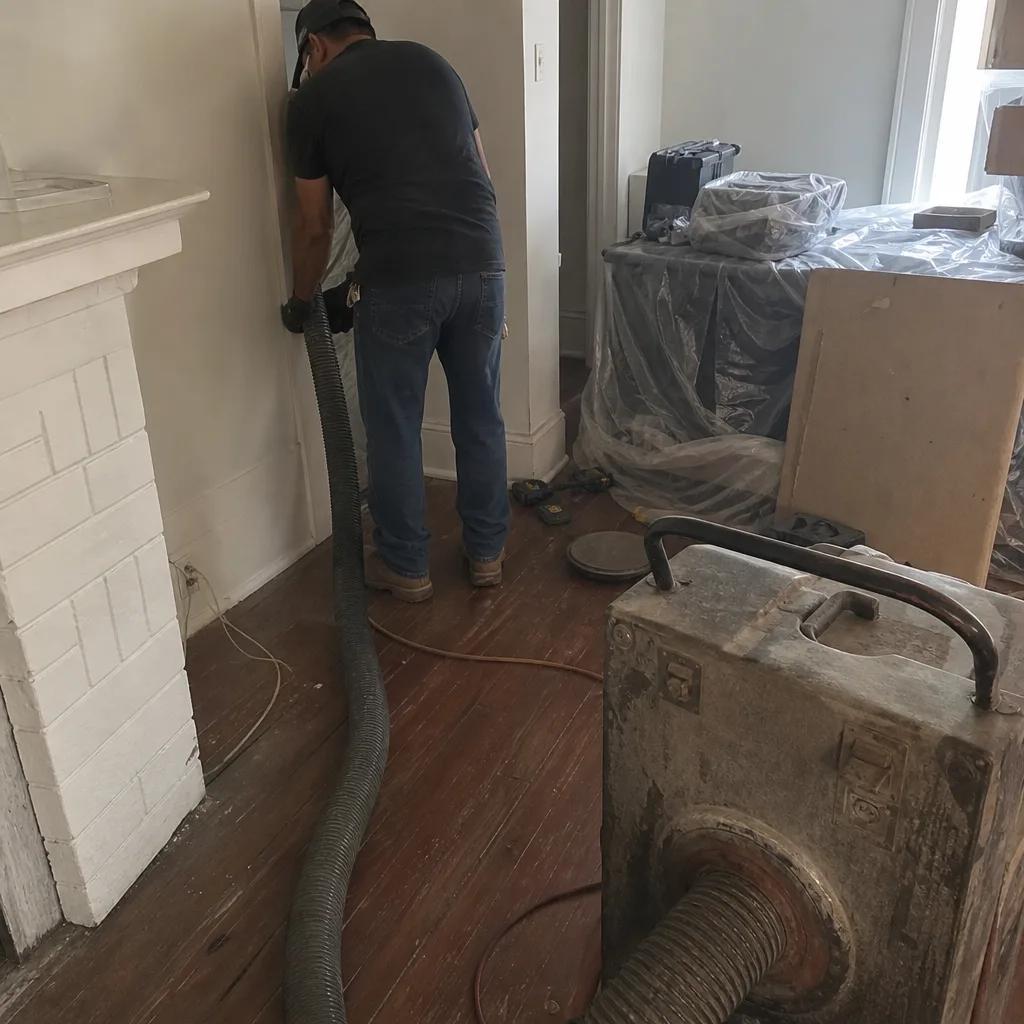
Professional cleaning in a system like this is not a quick vacuum job. Here’s what the equipment actually does on a real job:
- Rotobrush rotary brush system. A rotating brush agitates the duct wall to loosen debris that has bonded to it. That agitation is the step that separates a true cleaning from a light surface pass.
- Nikro vacuum and negative-air equipment. Holds the duct under negative pressure during cleaning so loosened material travels out instead of into the room.
- Abatement Technologies air filtration units. Controls airborne particulates on-site during the job.
There’s one more seasonal job worth building into the annual plan: dryer vent cleaning. A clogged dryer vent is a fire hazard, and in a hot, humid climate the lint load in a vent can build faster than people expect. It’s a small line in the annual plan and a meaningful one.
See the difference
 Before
 After
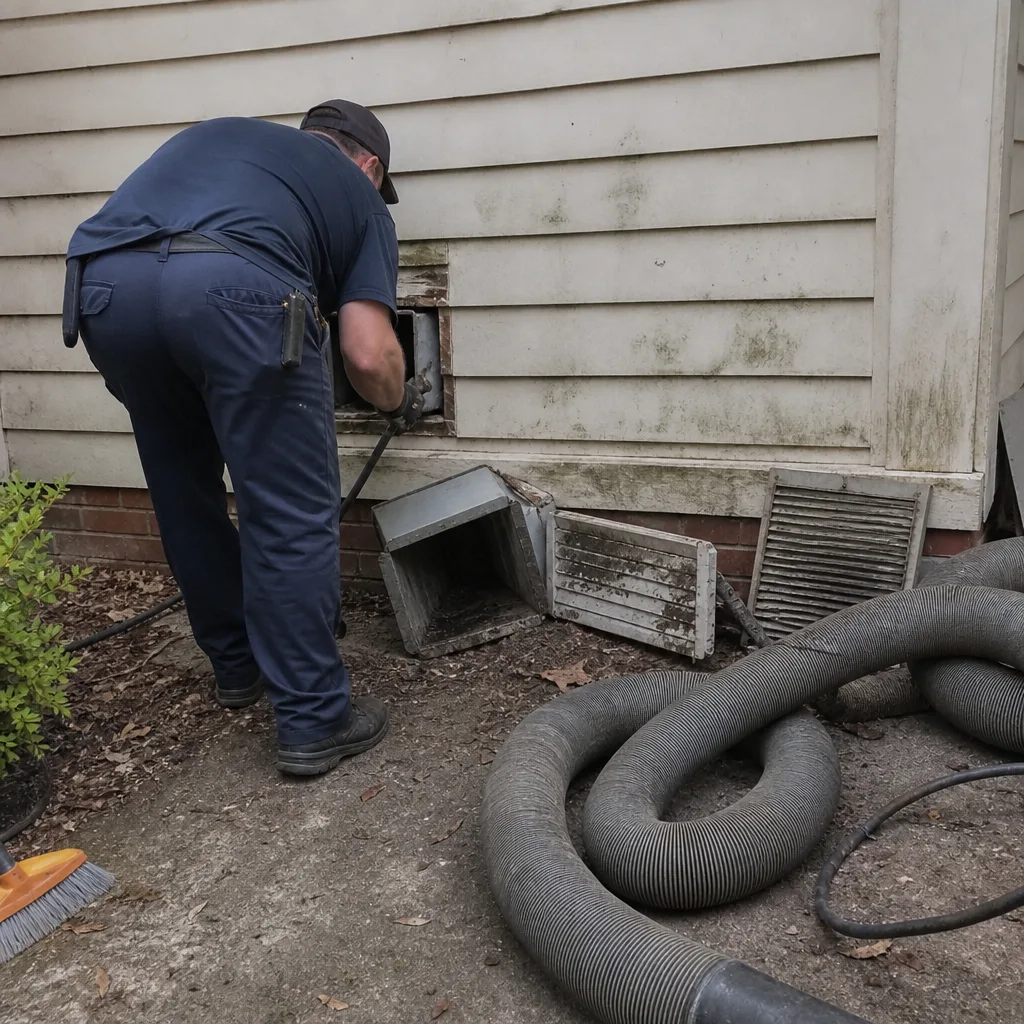 Before
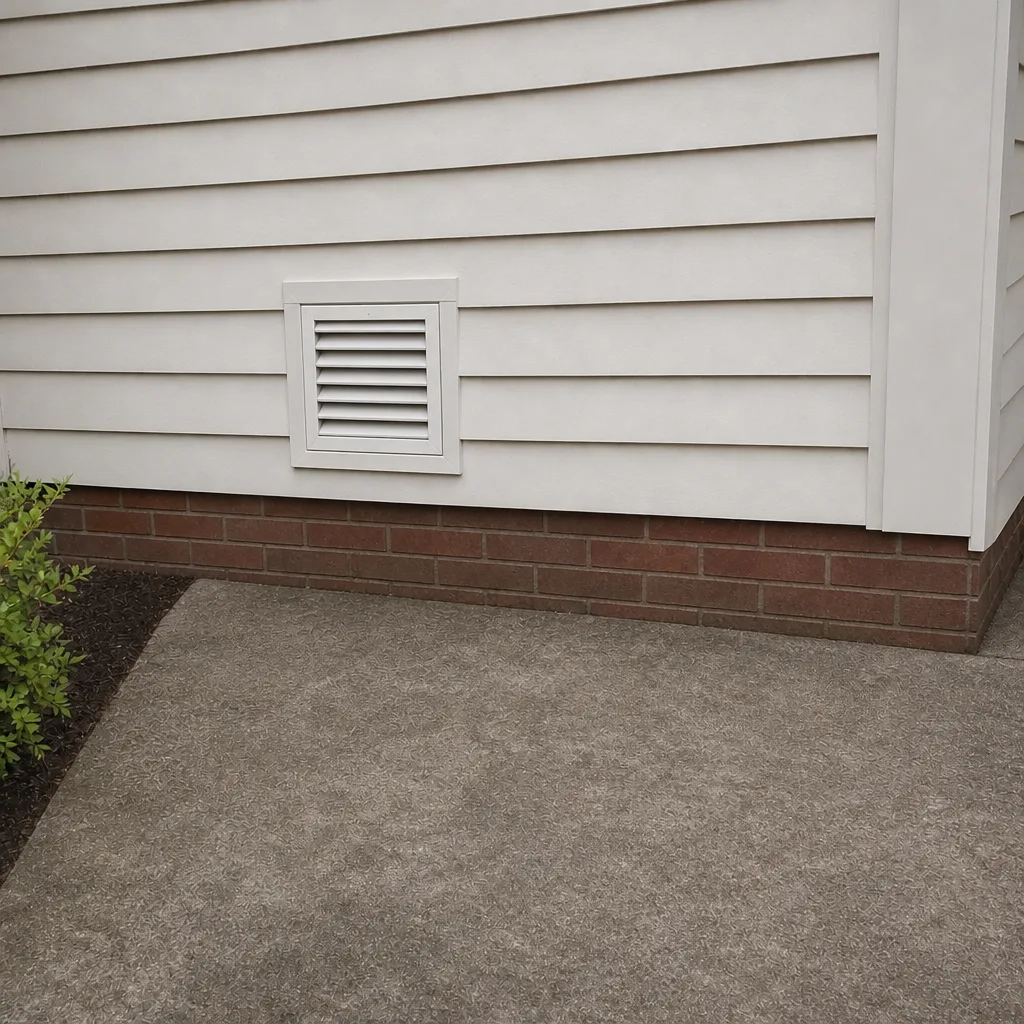 After
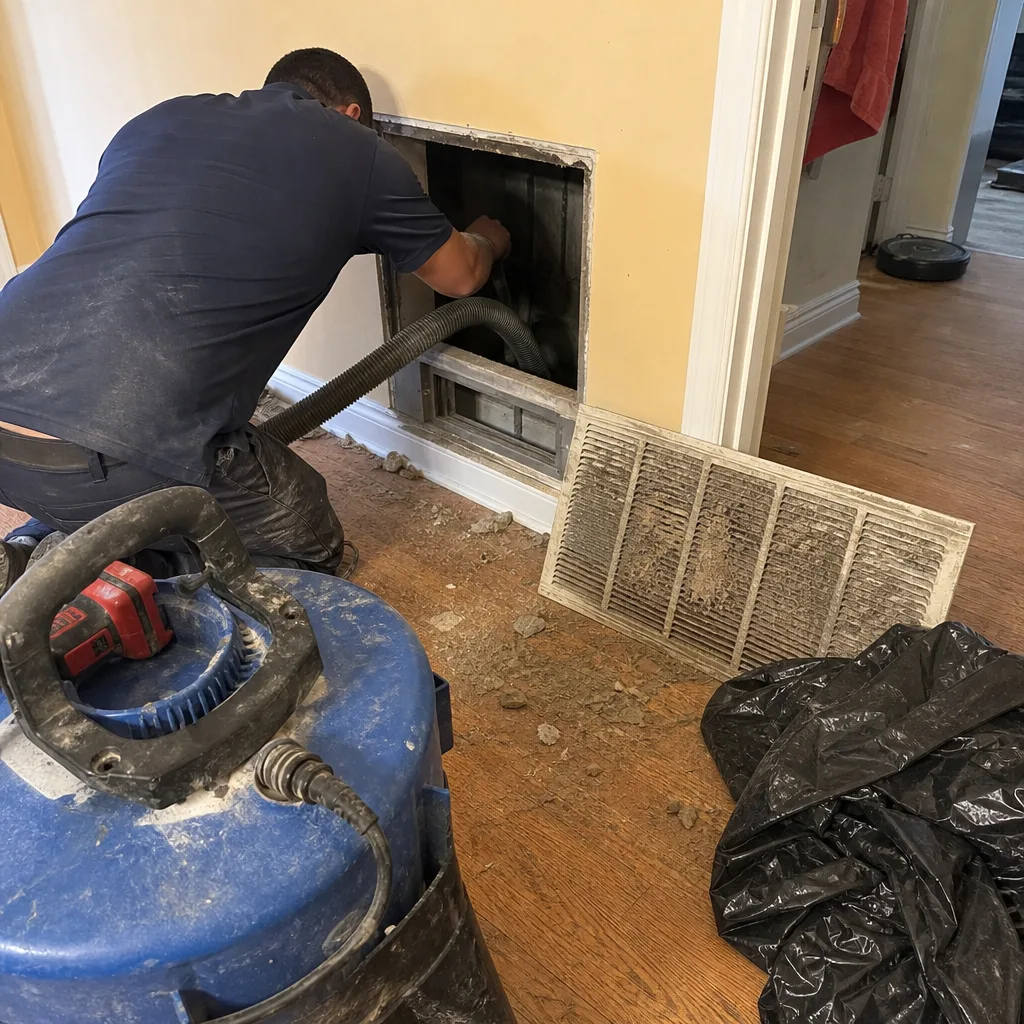 Before
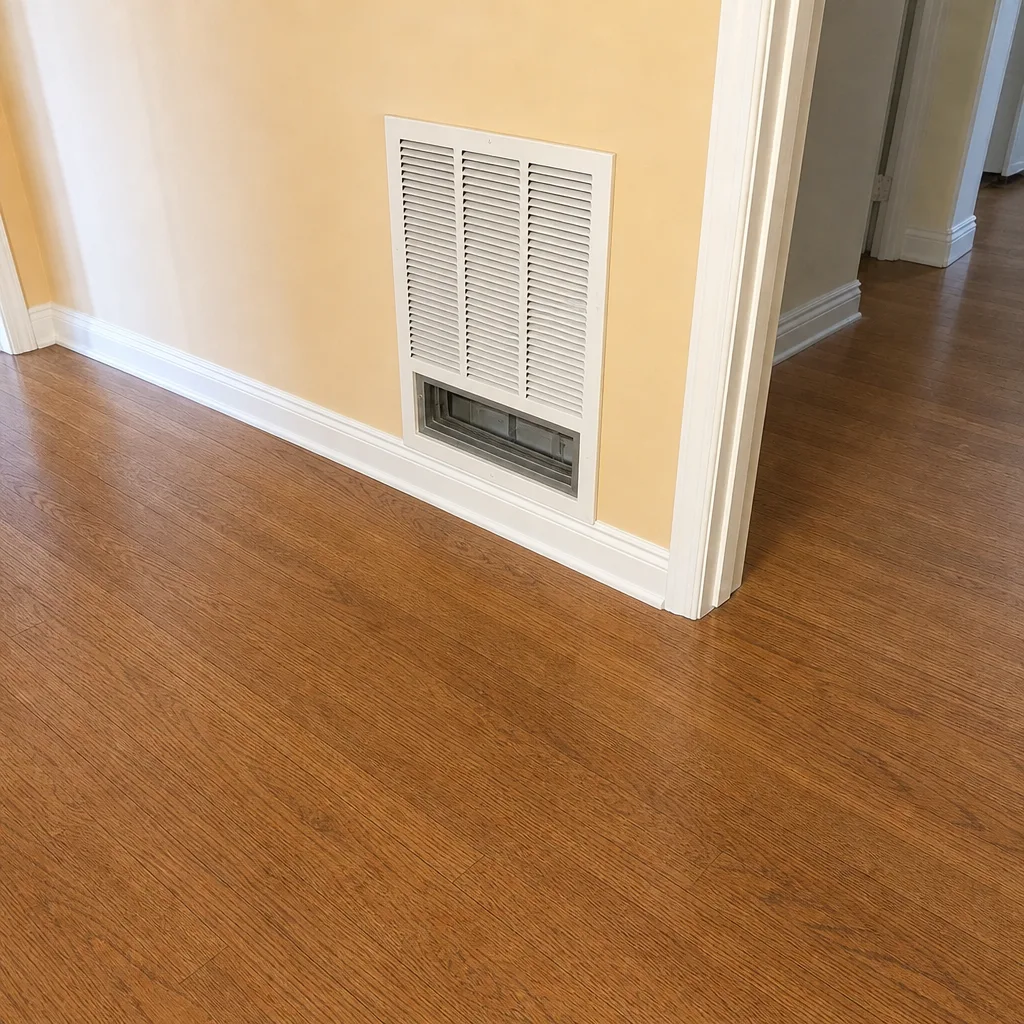 After
Common Mistakes to Avoid
- Following the national spring-and-fall cleaning calendar. Metairie’s heaviest load is the June-to-September cooling stretch, not the shoulder seasons. Cleaning should be scheduled around that, and around pre- and post-storm checkpoints.
- Skipping the pre-season documentation. If you don’t photograph the system before June 1, you have nothing to compare against if a storm causes damage later. The baseline matters more than the cleaning.
- Turning the system on immediately after a storm without inspection. Running a wet duct system turns a repairable problem into a much larger one. Check for water intrusion before restoring power.
- Treating a musty smell with a deodorizer or air purifier. If the source is a damp duct interior, the smell keeps coming back. Find the moisture first, then clean and dry.
- Assuming professional cleaning will fix a disconnected duct. Cleaning and repair are separate services. If a duct is broken, cleaning it while it’s broken doesn’t help.
- Ignoring the first heat cycle of the year. The short winter heating window is the local point where heat-exchanger adjacency to ductwork matters most. Note what the system does and get an inspection if anything’s off.
- Not keeping any record. A dated log with before-and-after photos is worth more than most homeowners realize when it’s time to sell or file a claim.
When to Call a Professional
Some seasonal observations belong on your list to watch. Others are a call. Call us when you see moisture where it shouldn’t be near a register or the air handler, when a musty smell appears or gets worse with heat and humidity, when the system has been through a storm that brought water intrusion or an extended power outage, when a duct run in the attic is visibly crushed, disconnected, or torn, or when the first heating cycle of the year brings a smell or symptom that doesn’t clear. Also call when your dryer starts taking noticeably longer than it used to – the vent is worth inspecting. Duct Cleaning Metairie offers free estimates in Metairie. Call (833) 576-1083. We answer 24/7. Fast dispatch from 7am to 7pm, Sunday through Friday.
Frequently Asked Questions
There’s no universal number. In Metairie’s climate, the schedule worth following is event-driven rather than calendar-driven: a pre-hurricane season inspection and documentation before June 1, a mid-cooling-season observation check if anything changes, and a look after any storm that caused water intrusion or a long outage. Professional cleaning is typically scheduled when those checkpoints reveal a genuine need rather than on a fixed annual date. Call (833) 576-1083 for an exact quote – estimates are free.
We don’t quote per-vent prices or teaser coupons because they don’t reflect the job. The honest answer is that we set one flat price per system, agreed before work starts, and it depends on the size and layout of your system, the level of contamination, and whether repair work is needed. The written estimate is the number that holds. Call (833) 576-1083 for an exact quote – estimates are free.
The cheap ones skip the equipment. A low posted price often reflects a shop vacuum and a quick surface pass rather than professional-grade agitation, extraction, and on-site containment. A rotary brush system, a negative-air vacuum, and containment equipment all cost far more to run than a consumer vac, and their absence is what makes the low number possible. Ask what equipment is used before you book. Call (833) 576-1083 for an exact quote – estimates are free.
You should see before-and-after photos of your own ducts. Not a stock photo or a brochure image. The before-and-after of your system is the only real proof that a cleaning happened, and it should be standard on every job. We hand that to you as part of the service. Call (833) 576-1083 for an exact quote – estimates are free.
Not without a visual check first. If there was water intrusion at the air handler, wet insulation on the ducts, a wet filter, or a musty smell at the return, keep the system off and get it inspected. If the system sat without power for an extended period during hot, humid weather, watch the first hour of operation closely even if you saw no water. Call (833) 576-1083 if you’re unsure – estimates are free.
Yes, for a specific safety reason. The first heat cycle of the year is when heat-exchanger issues near the ductwork matter most, and the details of what to look for are not a homeowner diagnosis. Note any unusual smell, rust, or scale near the furnace and call a professional. Call (833) 576-1083 – estimates are free.
The Bottom Line
Seasonal duct care in Metairie doesn’t fit the national spring-and-fall calendar. It fits the local one: pre-season documentation before June 1, close attention to condensation and moisture during the summer cooling peak, a careful restart protocol after any storm, a brief heating-cycle check in the short winter window, and a running log that turns all of it into something useful at sale or claim time. The whole program takes a few hours of your attention each year. The individual jobs, when they’re called for, should be handled with professional-grade equipment and one flat price per system agreed before work starts – and with before-and-after photos of your own ducts when it’s done. Our technicians have up to 9 years of experience, and we’re glad to look at your system and tell you plainly what it needs. If you’d like to schedule a free estimate, call (833) 576-1083. We answer 24/7. Fast dispatch from 7am to 7pm, Sunday through Friday.
Written by the team at Duct Cleaning Metairie.