
Last updated November 15, 2026
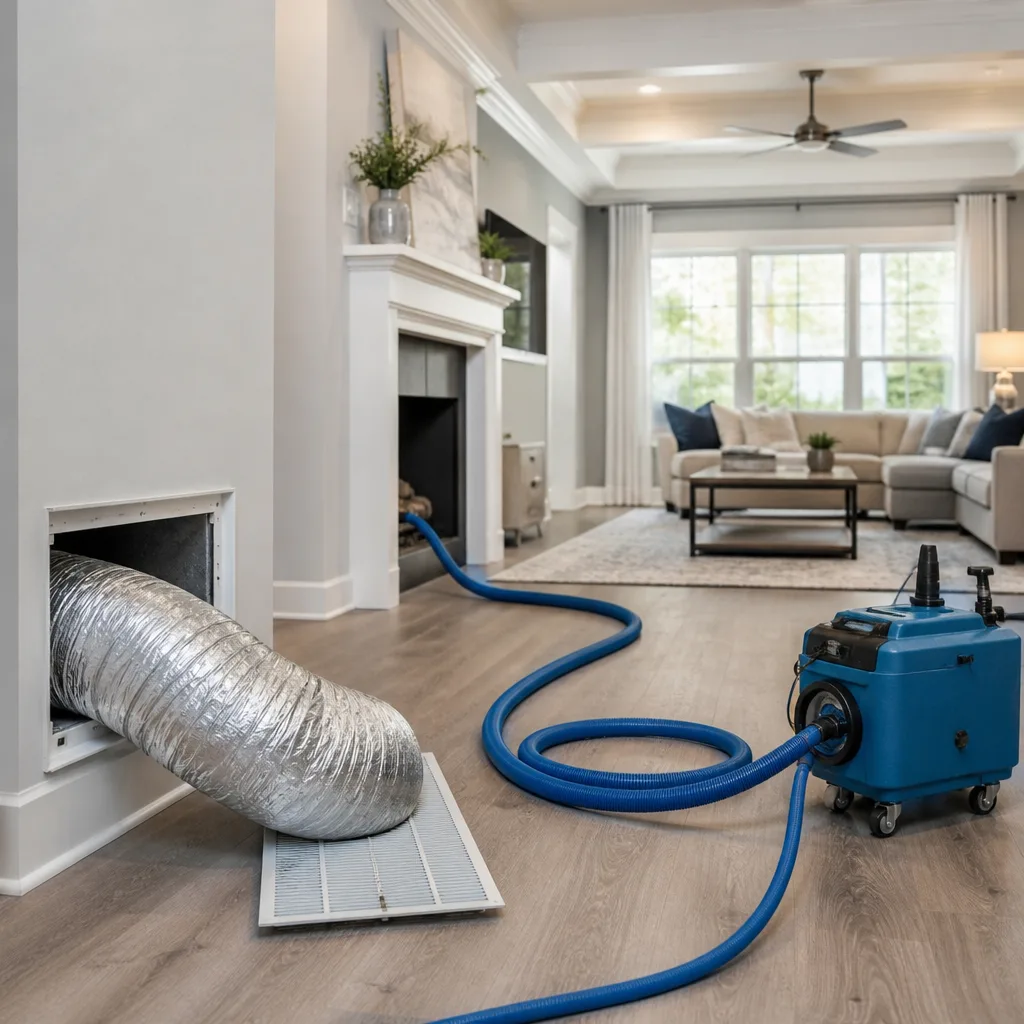 Whole-home duct cleaning
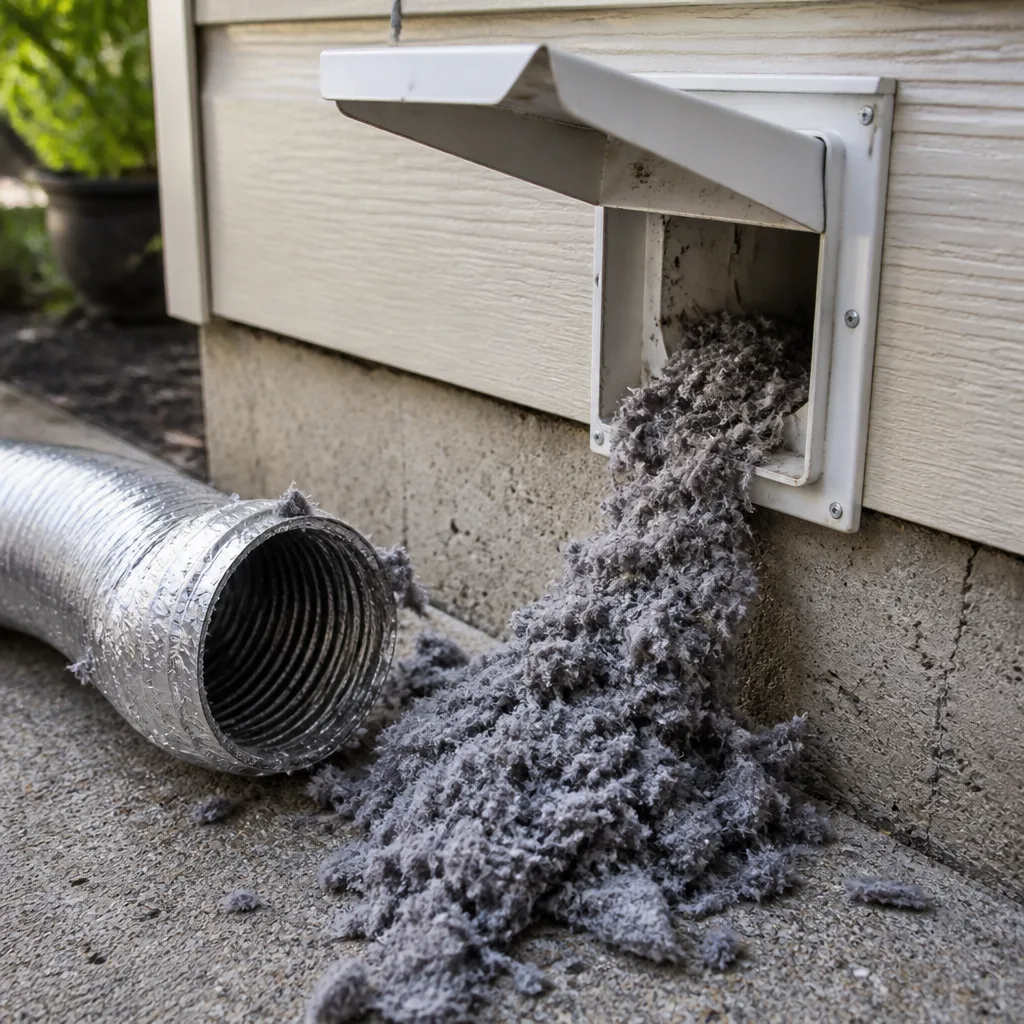 Dryer vent cleaning
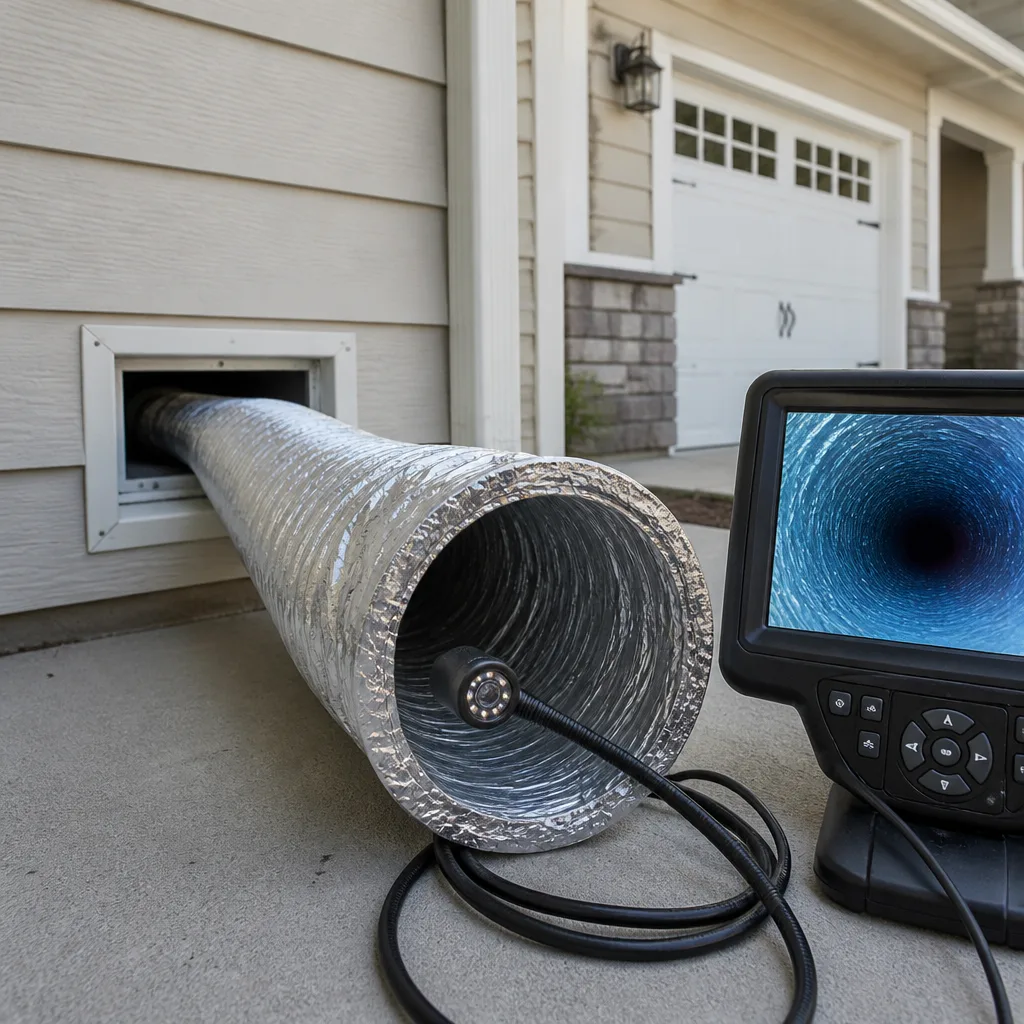 Camera inspection
 Sanitizing & deodorizing
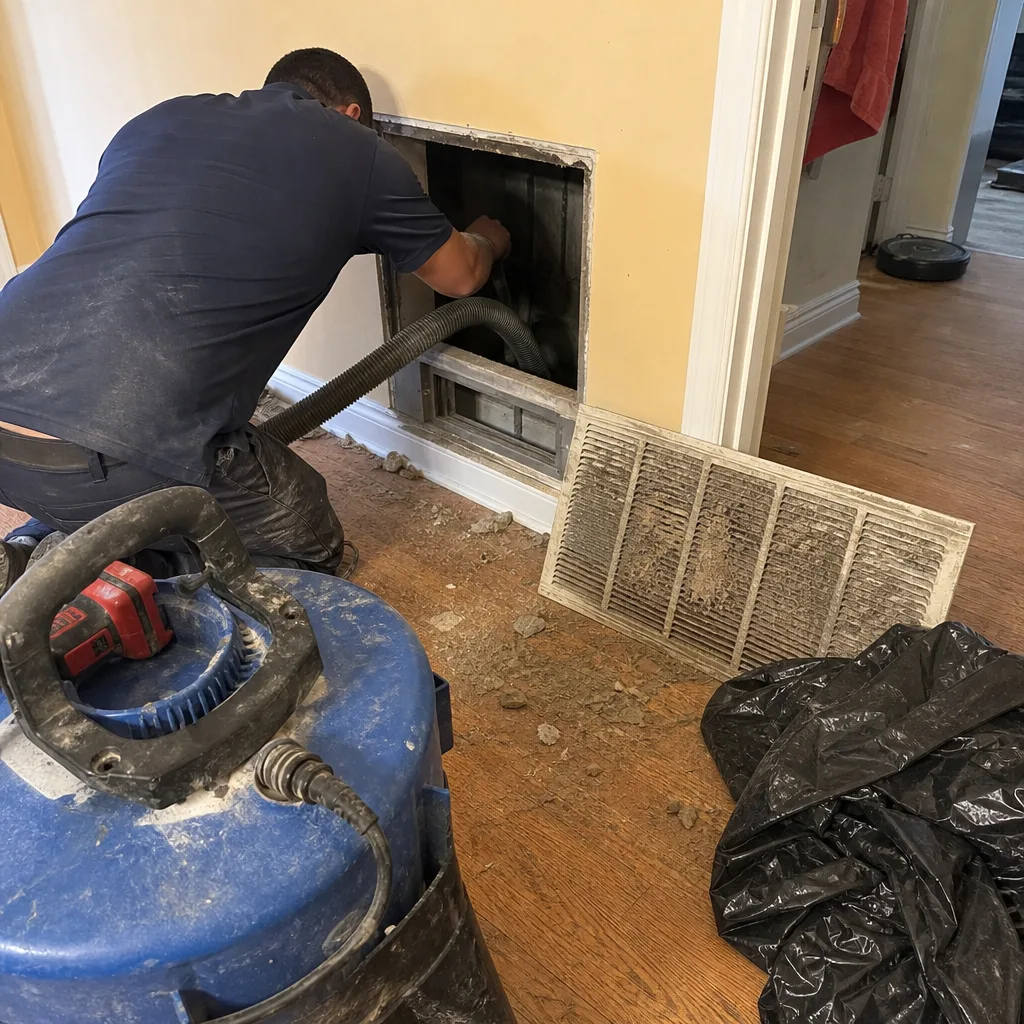
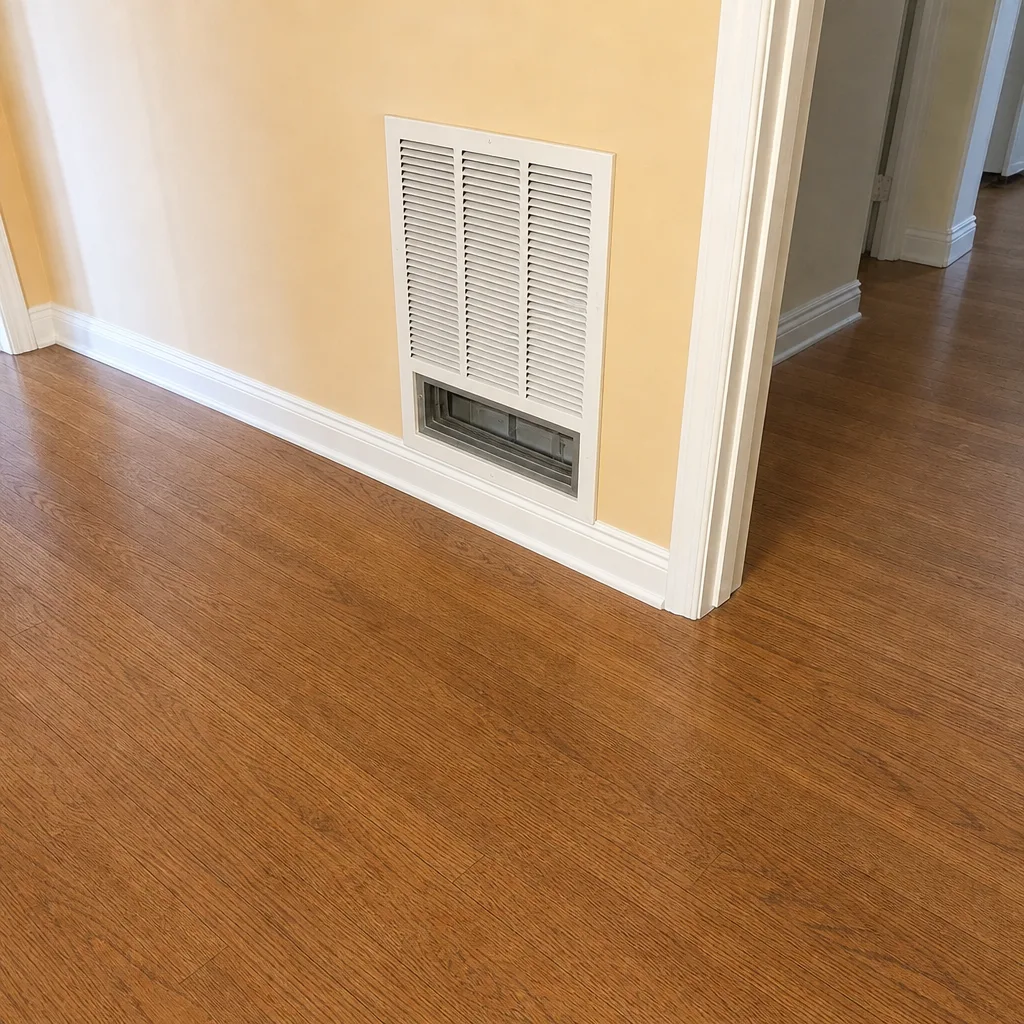
Whole-system duct and dryer vent check with before-and-after photos - you see exactly what came out of your vents
That "$99 whole-house special" is a bait ad - the real number appears once they are in your hallway, or the "clean" is a shop-vac at the register. We photograph the inside of your ducts before and after instead.
The Complete Guide to Air Duct Cleaning in Metairie
Most air duct guides are written for climates where the system rests for months each year. In Metairie, your AC runs so relentlessly that the duct system never gets a break, and that changes everything about how contamination builds. A system that cycles on and off all summer pushes air through the same ducts for far more hours than a system in a cooler region, which means particulate layering happens faster and humidity gets more chances to work its way into the airstream. This guide explains what that means for your home, how a real professional clean differs from a surface pass, and what to ask before you pay anyone. By the end you’ll know how to judge the work, not just the price.
Quick Answer
Air duct cleaning in Metairie removes accumulated dust, debris, and moisture-driven contamination from your home’s ductwork using professional-grade agitation and negative-pressure extraction equipment, not a rented vacuum. It matters more here than in seasonal climates because the AC runs nearly year-round, humidity feeds microbial growth inside ducts, and storm events can push debris and moisture into the system. A proper clean includes mechanical agitation of every branch line, sealed containment with HEPA filtration, and before-and-after photos of your own ducts.
Styles & brands we work with
- Whole-home duct cleaning
- Dryer vent cleaning
- Camera inspection
- Sanitizing & deodorizing
Table of Contents
- Why Metairie Ducts Get Dirty Differently
- Humidity: The Multiplier Behind Every Contamination Problem
- What Professional-Grade Equipment Actually Does
- After a Storm or Flood: A Different Inspection Protocol
- How to Read a Technician’s Process
- When Cleaning Isn’t Enough: Duct Repair
- Your Dryer Vent Is a Separate Fire Risk
- What Duct Cleaning Costs in Metairie
Why Metairie Ducts Get Dirty Differently
In a climate with a real winter, the air handler sits idle for months and some of what settles inside the ducts dries out and stays put. Metairie doesn’t give your system that pause. The AC runs through a long cooling season and picks right back up on mild days in between, so the fan is moving air through the same pathways for thousands more hours than a system in a cooler part of the country. That runtime is the engine of contamination. Every hour the blower moves air, it also moves fine dust, pet dander, pollen, and whatever else is suspended in the house, and some of it lands on the duct walls. Over enough hours, that film becomes a layer.
There’s a second local factor: the housing stock. Metairie has a lot of slab-on-grade homes with ductwork running through the attic, and attic duct runs in South Louisiana work in a punishing environment. Hot attics, long cooling runs, and flexible duct that flexes and settles over time all contribute to joints loosening and seams opening. Once a return or supply run starts leaking in an attic, it doesn’t just lose conditioned air. It can pull attic air, insulation fibers, and dust into the airstream. That’s a contamination source that cleaning alone won’t fix, which is why we treat air duct cleaning as one part of a bigger picture that includes checking the system’s integrity.
A third factor is how the neighborhoods sit. Metairie stretches from the older, tight-lot blocks near the lakefront to the busy corridors around Veterans Memorial Boulevard and the established subdivisions off Clearview and Bonnabel. Homes near heavy traffic corridors collect more exterior particulate on their filters and in their return grilles, and homes with mature trees pull in more pollen and leaf debris through the outdoor unit and open returns. None of that is a crisis. It’s just context: the same house in a different climate would need cleaning on a different schedule. Here, the schedule runs faster.
Humidity: The Multiplier Behind Every Contamination Problem
Dust alone is a nuisance. Dust plus moisture is a growth medium, and Metairie’s summers deliver moisture generously. When the relative humidity climbs and the AC is doing its job, the cooling coil condenses water out of the air, and that water has to drain. If it doesn’t drain cleanly, or if a duct run in a humid attic sweats, you get damp surfaces inside the system. Damp dust is where the real problems start: mold and mildew can take hold on duct liners, coil surfaces, and insulation, and once they do, every time the fan runs it distributes spores through the house.
This is the single biggest reason a Metairie duct cleaning isn’t the same job as one in a dry climate. It’s also why the equipment matters so much. A machine that only vacuums loose dust can’t address contamination that’s bonded to a damp surface. You need mechanical agitation to break that film loose, and you need enough negative pressure to pull it out of the system and capture it, not just stir it into the room.
What to watch for at home:
- A musty smell when the AC kicks on. That’s a humidity signature, not just dust.
- Visible dark spotting on registers or the coil. Worth a professional look before you assume it’s dirt.
- Condensation or water stains near the air handler or in the attic. Points to a drainage or insulation problem that cleaning won’t solve on its own.
- Allergy symptoms that track with AC season. Not a diagnosis, but a pattern worth investigating.
Managing humidity inside the ducts starts with managing it in the house. Keeping the system’s drain line clear, changing filters on a realistic schedule for a high-runtime climate, and fixing any attic duct that’s sweating all reduce the moisture load the ducts have to handle.
What Professional-Grade Equipment Actually Does
The gap between a real duct cleaning and a surface pass comes down almost entirely to equipment, and it’s the first thing to look at when you’re comparing providers. Consumer vacuums and rented shop vacs move air, but they don’t generate the negative pressure or the mechanical action a duct system needs. Here’s what the professional tools do, in plain terms.
- Negative-pressure containment. A high-capacity vacuum unit connects to the main trunk and puts the whole duct system under negative pressure, so debris is pulled toward the collection point instead of drifting into your living space. This is the foundation of every clean.
- Mechanical agitation. A rotary brush system, like the Rotobrush line we use, runs a spinning brush head through each branch line to knock bonded dust and debris off the duct walls. Vacuum alone leaves the film; agitation breaks it loose so the vacuum can capture it.
- HEPA filtration at the source. Air filtration units in the Abatement Technologies category capture fine particulates at the point of collection. That keeps what’s being dislodged from becoming airborne in your home.
- Source capture and inspection. A Nikro vacuum and negative-air setup handles extraction and lets the technician actually see what’s coming out, duct by duct, with before-and-after photos to prove it.
There’s a practical distinction homeowners ask about: truck-mounted versus portable equipment. A truck-mounted unit can generate more sustained vacuum and is common on larger commercial jobs; a well-configured portable system with proper containment can do an excellent job on a residential system when it’s set up correctly. The real question isn’t which category the machine falls into, it’s whether the technician is using it with proper containment and actually agitating every branch, not just the main trunk. A big machine run carelessly is worse than a portable run thoroughly.
Every piece of that process is there for a reason, and it’s why we lead with the machinery when we talk about how we work. Professional-grade equipment, not improvised tools, is the difference between cleaning a duct system and touching it.
After a Storm or Flood: A Different Inspection Protocol
Metairie homeowners know storm season. When water gets into a home, or when a storm drives wind and debris into an attic, the duct system needs more than a routine clean. Floodwater and storm intrusion can push contaminated water, silt, and debris into duct runs, and once that’s inside, cleaning has to be paired with a real assessment of whether the ductwork is salvageable or needs repair or replacement.
A post-storm inspection looks different from a routine one. The technician should be checking:
- Whether the system was submerged or just damp. Waterline evidence in the attic or at floor level tells you how far the contamination traveled.
- Insulation condition inside the ducts. Wet duct insulation holds moisture and contamination and often can’t be cleaned back to service, only replaced.
- Whether debris entered the system. Wind-driven debris and attic insulation can get pulled into open returns or damaged runs.
- Structural integrity of flexible and rigid runs. Storm damage can disconnect, crush, or collapse duct sections.
- Microbial growth potential. Damp ductwork in a warm climate is a growth environment, and a professional assessment should address it directly.
If a home has been through flooding, the honest answer is sometimes that cleaning is the wrong starting point and replacement is the right call. We’d rather tell you that than clean ductwork that shouldn’t go back into service. This is where the repair side of our work matters: we clean it, and if it’s broken, we fix it.
How to Read a Technician’s Process
You don’t need to be an HVAC technician to tell whether a real clean is happening. You need to know the sequence and watch for the shortcuts. A genuine professional clean of a Metairie home follows a recognizable order.
- Walkthrough and photo documentation before. The technician inspects the system, notes every branch and register, and takes photos of the duct interiors before touching anything.
- Sealing and containment setup. Registers are covered, the vacuum is connected to the main trunk, and negative pressure is established before any agitation begins.
- Agitation, branch by branch. Every supply and return run gets brushed, not just the main line. This is the step that gets skipped by surface-pass outfits.
- Extraction. Debris is pulled into the collection unit and captured by filtration while it’s being dislodged.
- Coil and component check. The air handler, coil, and drain pan are inspected and cleaned as needed, since a clean duct system feeding a dirty coil doesn’t solve much.
- Photo documentation after, and a walkthrough with you. You should see what came out and what your ducts look like now.
The two red flags to watch for: a technician who never puts a brush into the branch lines (vacuum only), and one who can’t show you photos. A surface pass leaves the bonded film on the walls, so on a high-runtime Metairie system the ducts feel dirty again within a season. When you’re ready to schedule work, our Duct Cleaning Metairie team walks through the process in person so you know exactly what’s happening.
One more thing worth knowing: how the technician handles your return grilles and filters tells you about the rest of the job. If the return grille is packed with debris and nobody points it out, that’s a sign the walkthrough wasn’t thorough.
When Cleaning Isn’t Enough: Duct Repair
Cleaning assumes the duct system is intact. In a lot of Metairie homes, it isn’t. Flexible duct in an attic can sag, pull loose at a collar, or get crushed under insulation; rigid runs can develop seam leaks; and a disconnected run can dump conditioned air into the attic while pulling attic air back into the system. Cleaning a leaking system is a temporary fix. The leak keeps introducing new contamination.
That’s why we offer duct repair as its own service rather than an upsell. Signs your system may need repair, not just cleaning:
- Rooms that never seem to cool evenly, or a supply vent with much weaker airflow than the rest.
- Higher energy use during cooling season with no other explanation.
- Visible dust streaks or dirty insulation around a register or in the attic near a duct run.
- A musty smell that returns soon after a cleaning.
- Ductwork you can see or reach that’s disconnected, crushed, or clearly sagging.
Duct repair addresses the integrity problem at the source: reconnecting and sealing runs, replacing failed flexible sections, and fixing the leaks that let contamination back in. If it’s a big job, that’s a conversation to have before you pay for a clean that won’t hold. It’s also the part of the work most duct cleaners don’t do, and we’d rather fix it than sell you a clean that won’t last.
If you’re not sure which you need, an on-site inspection will tell you. A free estimate will tell you the price before anything starts, and the written estimate sets the final price.
Your Dryer Vent Is a Separate Fire Risk
Air ducts and dryer vents are different systems, but they share a failure mode: lint and debris build up inside them and nobody looks. A clogged dryer vent does two things. It reduces airflow, so your dryer runs longer and uses more energy, and it packs lint against a heat source. That’s a fire hazard waiting to be ignored, and it’s the reason dryer vent cleaning is a full service for us, not a checkbox on a menu.
Signs your dryer vent needs cleaning:
- Clothes take longer to dry than they used to.
- The dryer body feels unusually hot during a cycle.
- There’s lint around the outside vent flap, or the flap doesn’t open fully.
- The laundry room feels humid or smells musty during a cycle.
- You can’t remember the last time the vent line was cleaned.
Dryer vent runs in Metairie homes often go through an attic or an exterior wall, which means a long, sometimes winding path that collects lint at bends. That’s exactly the kind of run that benefits from a professional clean with proper extraction, not a homeowner snaking a brush a few feet in. Cleaning the vent line restores airflow, shortens drying times, and removes the accumulated lint that’s the actual fire risk.
One call covers cleaning, venting, and repair, which is a real convenience for a homeowner who’d otherwise juggle three contractors.
What Duct Cleaning Costs in Metairie
We give a free written estimate before any work starts, and the price is set per job, based on the size and condition of your system. What we won’t do is quote a per-vent price or a teaser coupon price that turns into a much bigger invoice once the technician is on site. That bait-and-switch is the industry’s reputation problem, and the fix is simple: one flat price for the whole system, agreed before work begins. Here’s how Metairie homeowners should think about cost components.
| Cost driver | What it means |
|---|---|
| Number of supply and return runs | More branches means more agitation and extraction time. A larger Metairie home with multiple returns takes longer than a small one. |
| Access | Attic and crawlspace access in slab homes adds setup time. Some systems have returns that are harder to reach, which affects the job. |
| Contamination level | A system that’s never been cleaned, or one that’s had moisture or storm exposure, takes more work than a maintained one. |
| Repair needs | Disconnected, crushed, or leaking runs are quoted as repair work, separate from cleaning, based on what’s found. |
| Dryer vent line | Vent cleaning is priced by run length and access, not by the dryer. |
The honest answer to “how much does air duct cleaning actually cost in Metairie?” is that it depends on the system, and any provider who quotes a number without walking your ductwork is guessing. Call for a free estimate and you’ll get a real number, in writing, before anything starts.
Common Mistakes to Avoid
- Choosing on price alone. A quote that’s dramatically lower than everyone else usually means vacuum-only service or a per-vent price that climbs on the invoice. Ask what the price covers before you book.
- Skipping the branch lines. If the technician only vacuums the main trunk and never brushes the individual runs, the bonded film stays put. On a high-runtime Metairie system that means the ducts get dirty again fast.
- Cleaning a leaking system. If a run is disconnected or leaking in the attic, cleaning it is a temporary fix. Get the repair done first or alongside it.
- Ignoring the dryer vent. It’s a separate system with its own fire risk and its own cleaning need. Don’t wait until clothes stop drying.
- Not asking for photos. Before-and-after photos of your own ducts are the only proof the work happened. Ask for them, and look at them.
- Believing a “same-day” promise for a full job. A thorough clean of a larger system takes time. A crew that promises to do the whole thing in twenty minutes is doing a surface pass.
- Assuming the system is fine because the house feels cool. A leaking duct can keep the house comfortable while quietly pulling contamination in. Cooling performance isn’t a duct integrity test.
See the difference
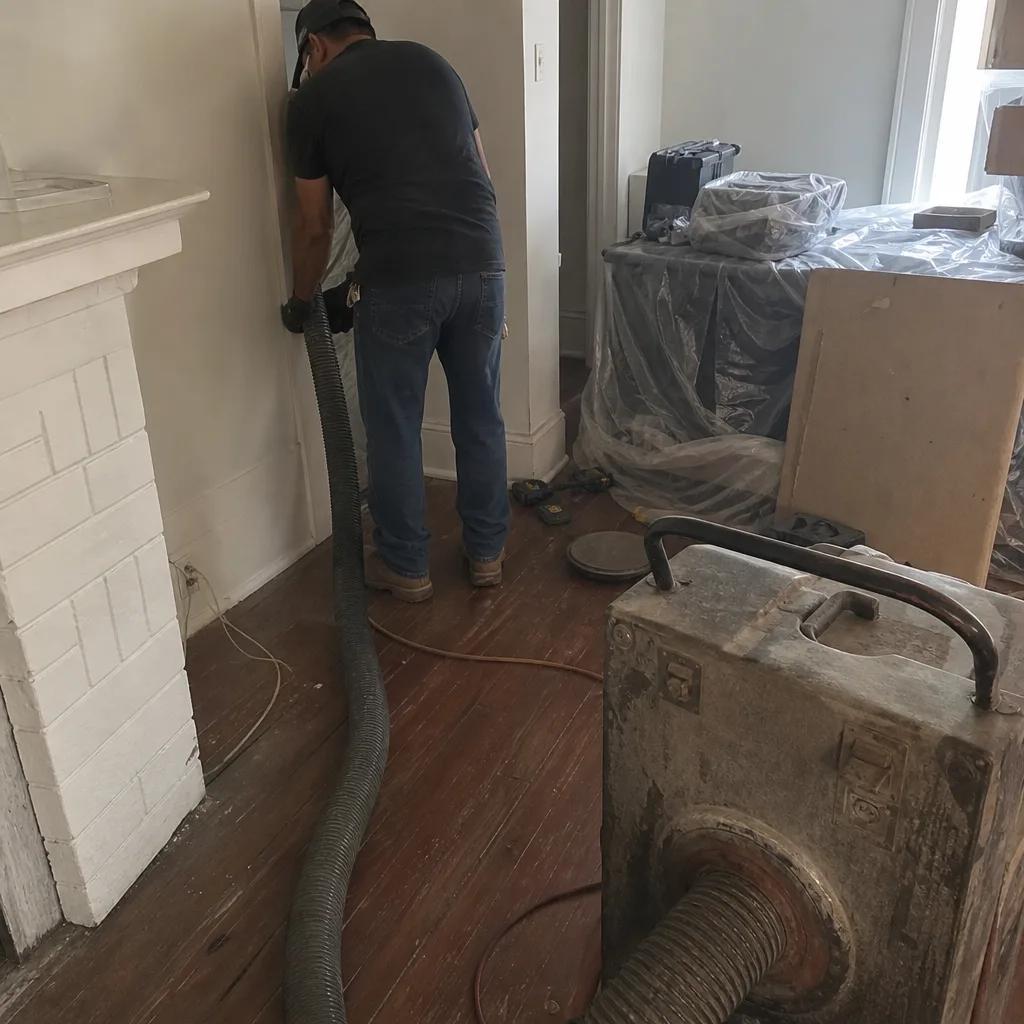 Before
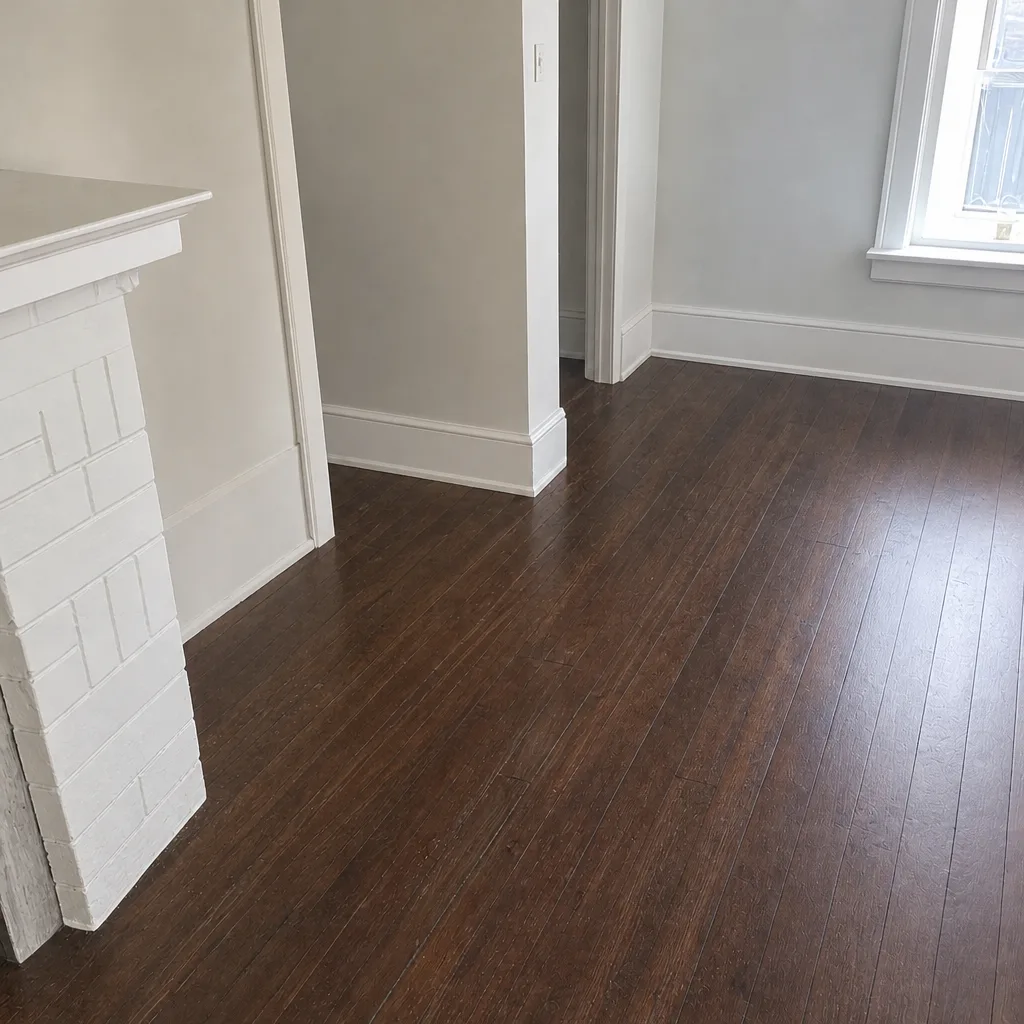 After
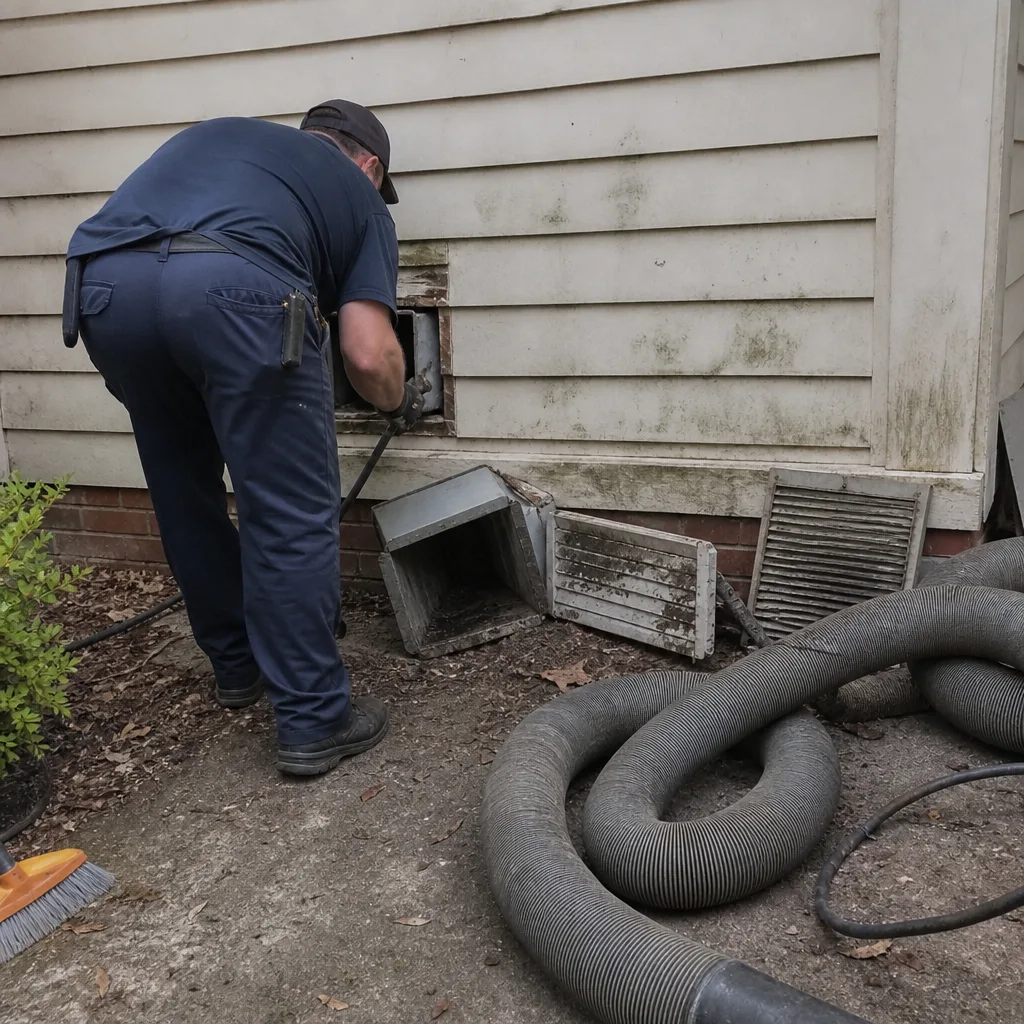 Before
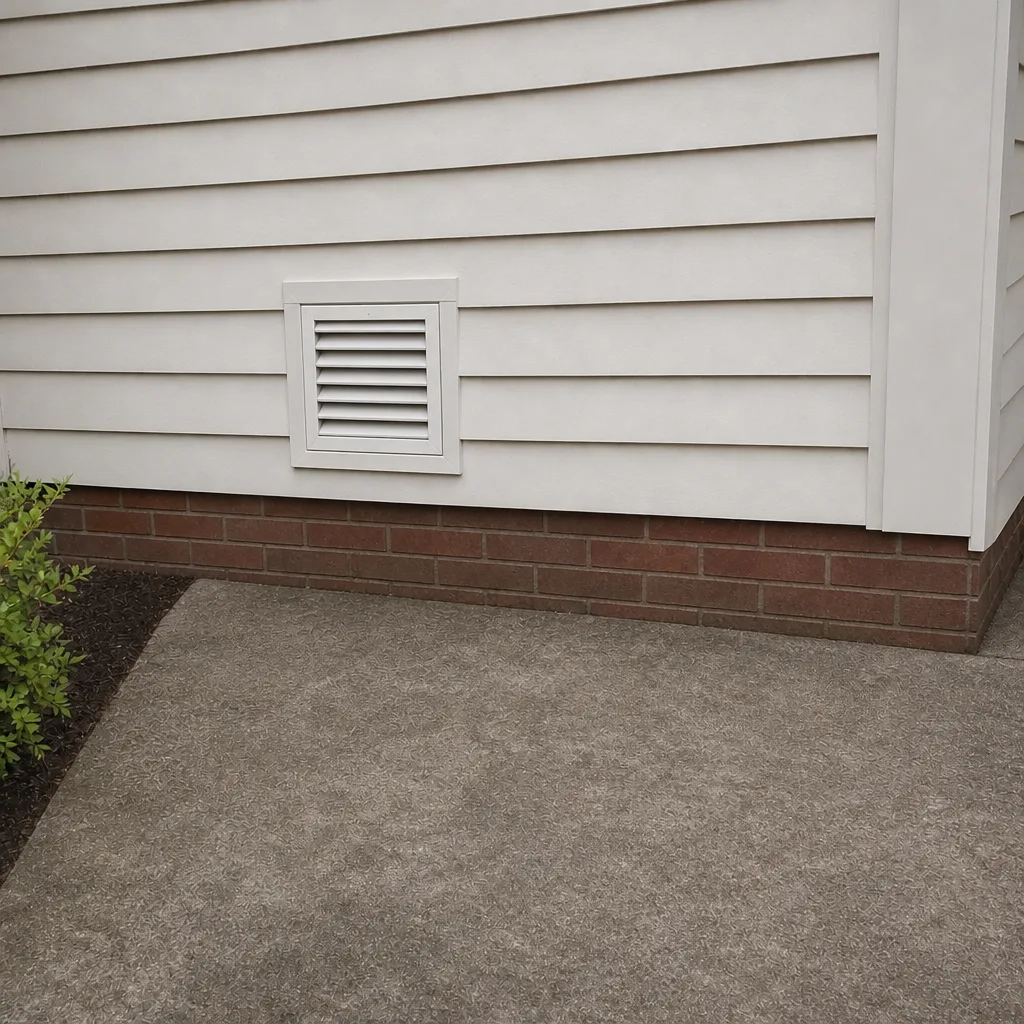 After
 Before
 After
When to Call a Professional
Some of this is a judgment call, but a few situations clearly call for a professional. If your return grilles and registers show visible dust buildup and it returns quickly after you clean them, the contamination is inside the ducts, not just at the surface. If there’s a musty smell when the AC runs, moisture is likely involved and a professional inspection should follow. If your home has been through flooding or storm intrusion, the inspection protocol is different and cleaning may not be the right first step. If your dryer takes noticeably longer to dry clothes, or the vent flap outside doesn’t open freely, get the vent line cleaned. And if you see disconnected or crushed ductwork in the attic, that’s repair work before cleaning. Duct Cleaning Metairie offers free estimates in Metairie. Call (833) 576-1083. We answer 24/7. Fast dispatch from 7am to 7pm, Sunday through Friday.
Frequently Asked Questions
It depends on your system, not a flat rate, and we quote it per job from a free written estimate. The price is set by the number of supply and return runs, access, contamination level, and any repair needs found during the walkthrough. The written estimate sets the final price, and we don’t do per-vent pricing or a low coupon figure that climbs later. Call (833) 576-1083 for an exact quote; estimates are free.
Cheap quotes usually mean vacuum-only service without mechanical agitation of the branch lines, or a teaser price that grows once the technician is on site. On a high-runtime Metairie system, a surface pass leaves the bonded film on the duct walls, so the ducts get dirty again within a season. It’s not a bargain, it’s a job that has to be redone. Call (833) 576-1083 to get a straight, whole-system price up front.
Professional before-and-after photos of your own ducts are the proof, plus a walkthrough of what came out and what your system looks like now. We take photos before and after on every job, and we don’t consider it done until you’ve seen them. If a provider can’t show you the evidence, that’s your answer. Call (833) 576-1083 to schedule and see the process for yourself.
More often than in a seasonal climate, because the AC runs nearly year-round here and humidity speeds up how fast contamination bonds to duct surfaces. There’s no single schedule that fits every home; a system that’s been cleaned recently and stays on top of filter changes can go longer than one that’s never been touched or has had moisture issues. A professional inspection tells you where your system actually stands. Call (833) 576-1083 for a free estimate.
Yes, and it’s the multiplier behind every other contamination problem in Metairie. Damp dust inside the system can support mold and mildew growth on liners and coil surfaces, and every time the fan runs it can move that into your living space. That’s why mechanical agitation is essential here: a damp film doesn’t come off with vacuum alone. Call (833) 576-1083 if you’re noticing a musty smell when the AC kicks on.
Yes, but a post-storm inspection comes first, because water intrusion changes the job. The technician checks how far contamination traveled, whether duct insulation is wet, whether debris entered the runs, and whether the ductwork is still structurally sound. Sometimes cleaning is the right answer; sometimes replacement is, and we’ll tell you honestly. Call (833) 576-1083 to schedule an inspection.
If a run is disconnected, crushed, sagging, or leaking into the attic, you need repair, and cleaning alone won’t fix it. Signs include uneven cooling, dust streaks around registers, and a musty smell that comes back after cleaning. We offer repair as a standalone service, so we can address the integrity problem directly rather than selling a clean that won’t hold. Call (833) 576-1083 for an inspection and a free estimate.
What equipment do you use?
We use professional-grade equipment: a Rotobrush rotary brush system for mechanical agitation of every branch line, a Nikro vacuum and negative-air setup for extraction, and Abatement Technologies air filtration units to control particulates during service. The point of this equipment is thorough agitation plus real containment, so debris is captured rather than stirred into the room. If you’re comparing providers, ask what they use and watch whether they actually brush the branch lines. Call (833) 576-1083 to talk through your system.
The Bottom Line
Air duct cleaning in Metairie isn’t the same job as it is in a climate with a real winter. The AC never truly rests, so contamination builds faster and humidity turns dust into a growth medium. The answer is a real clean: mechanical agitation of every branch line, proper negative-pressure containment, before-and-after photos of your own ducts, and one flat price for the whole system agreed before work starts. If the system’s leaking or crushed, that’s repair work, not a cleaning. And your dryer vent has its own fire risk that’s worth a separate look. The work is judged by the equipment and the evidence, not the price.
Contact
If you’re ready to know what’s actually inside your ducts, call (833) 576-1083 for a free estimate. We’ll walk your system, show you what we find, and give you a written price before anything starts. We answer 24/7. Fast dispatch from 7am to 7pm, Sunday through Friday, and we’re closed Saturday. Serving homeowners across Metairie for air duct cleaning, dryer vent cleaning, and air duct repair.
Written by the team at Duct Cleaning Metairie.