
Last updated November 15, 2026
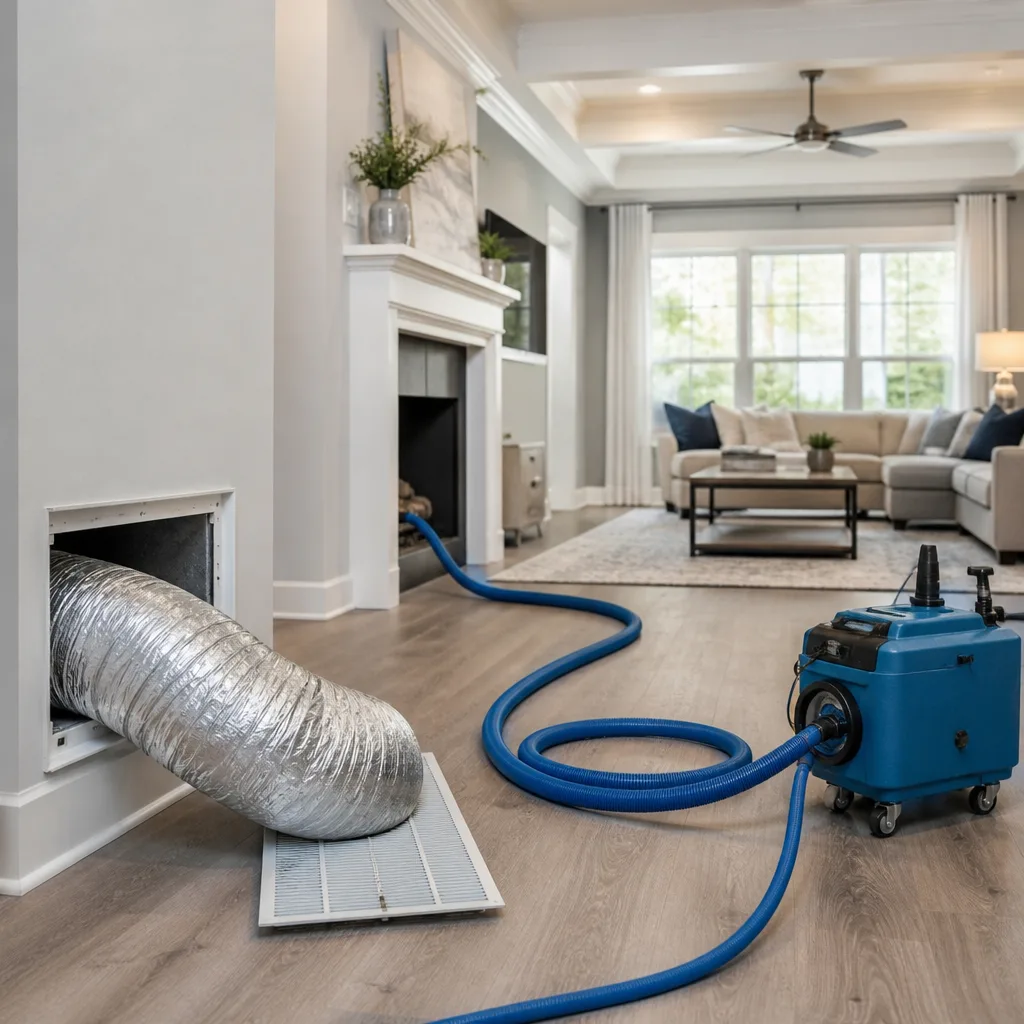 Whole-home duct cleaning
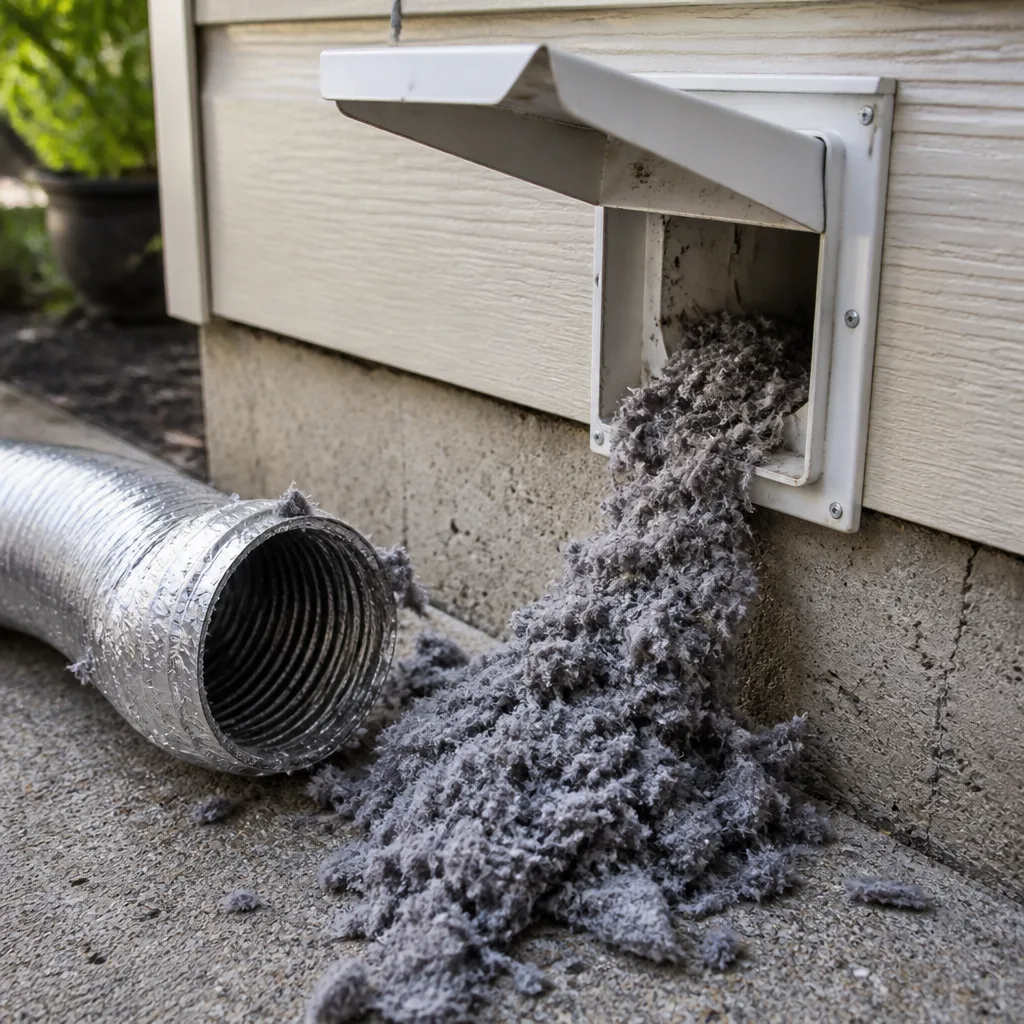 Dryer vent cleaning
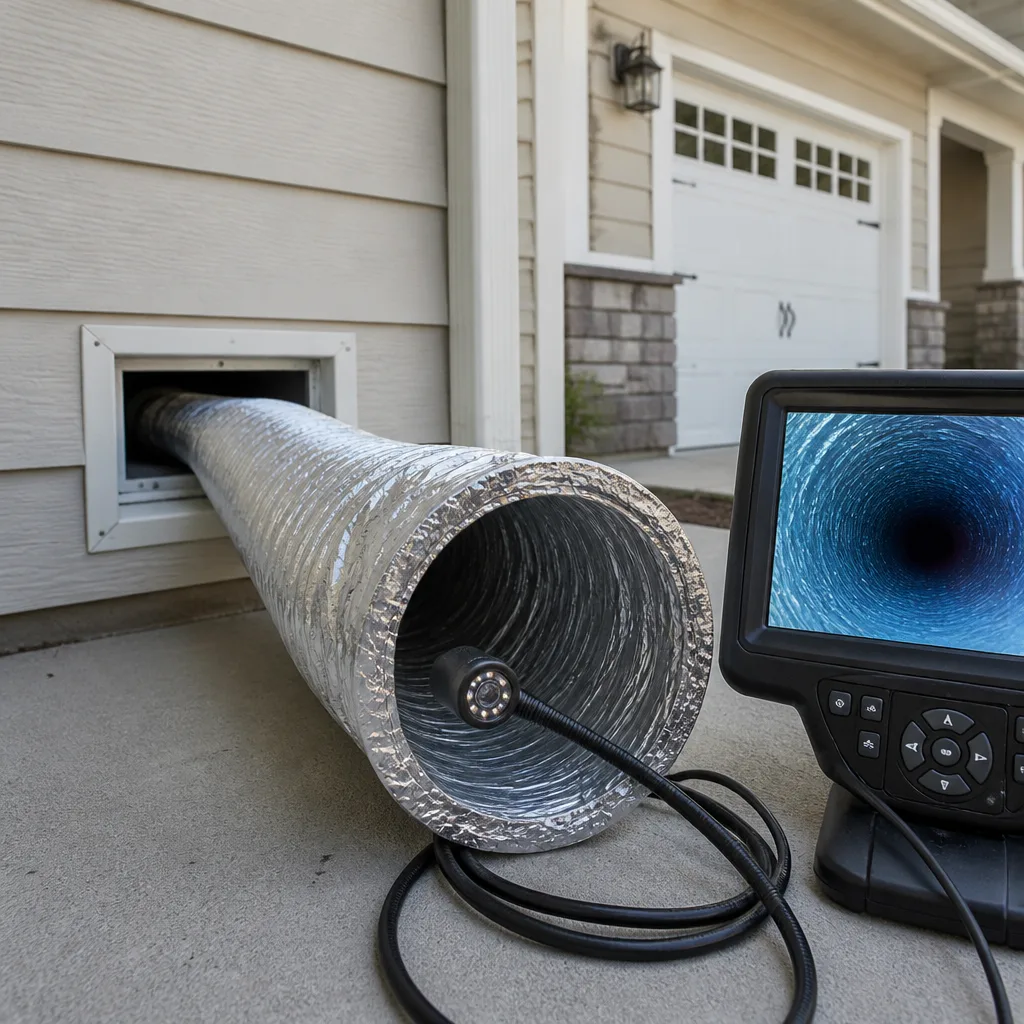 Camera inspection
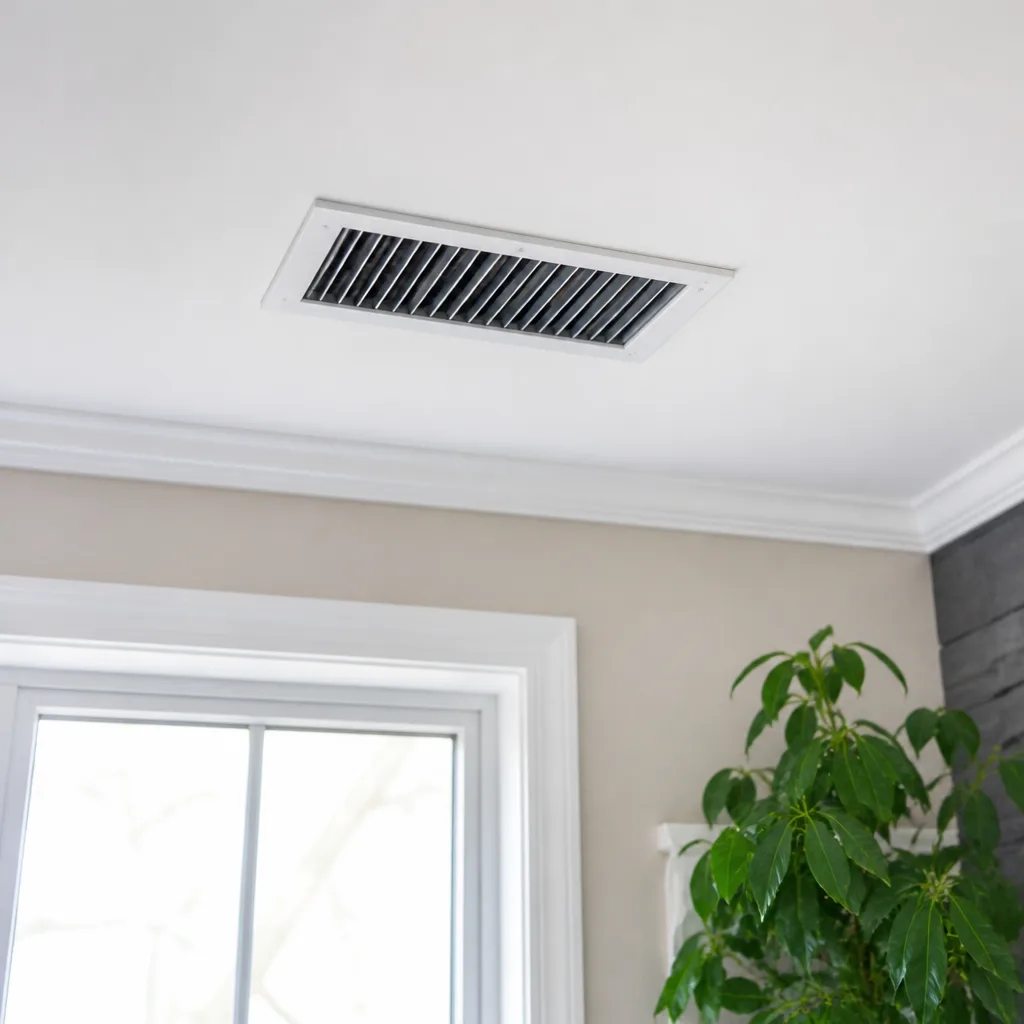 Sanitizing & deodorizing
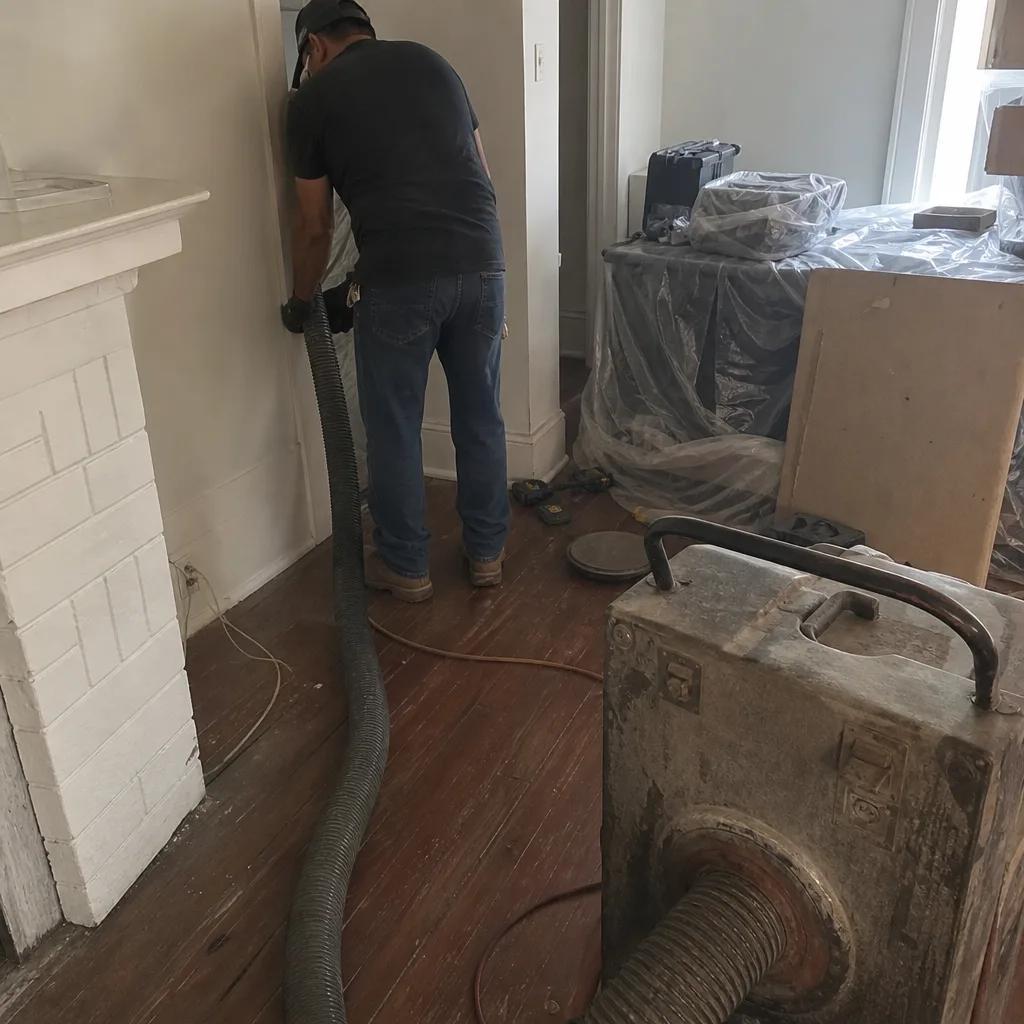
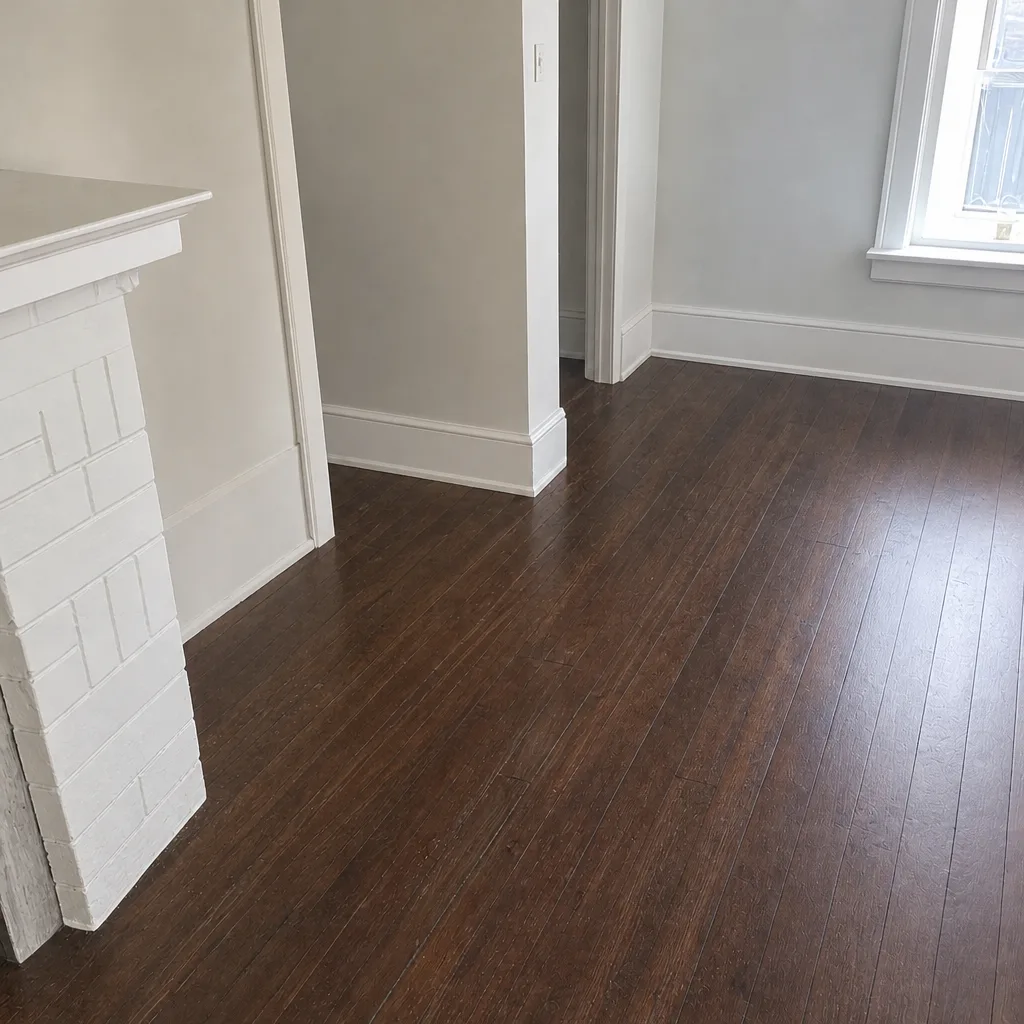
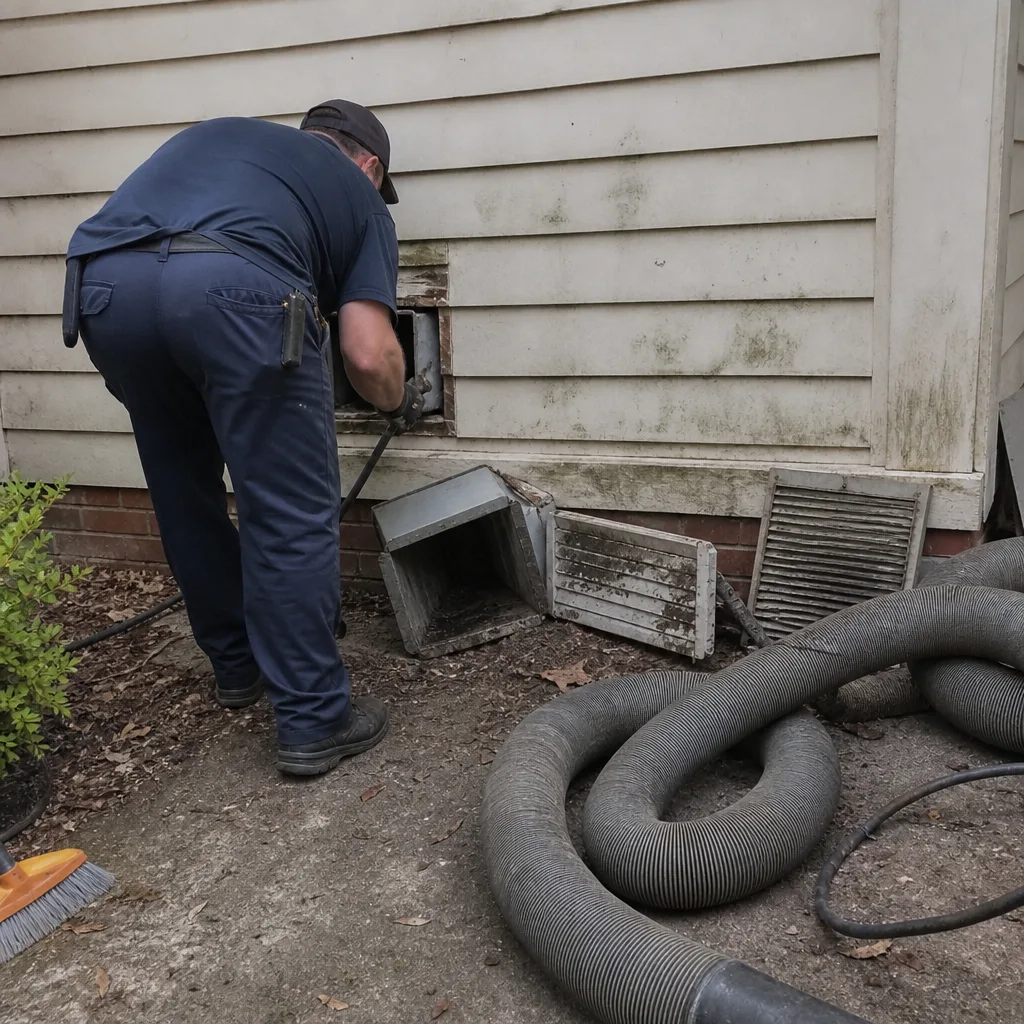
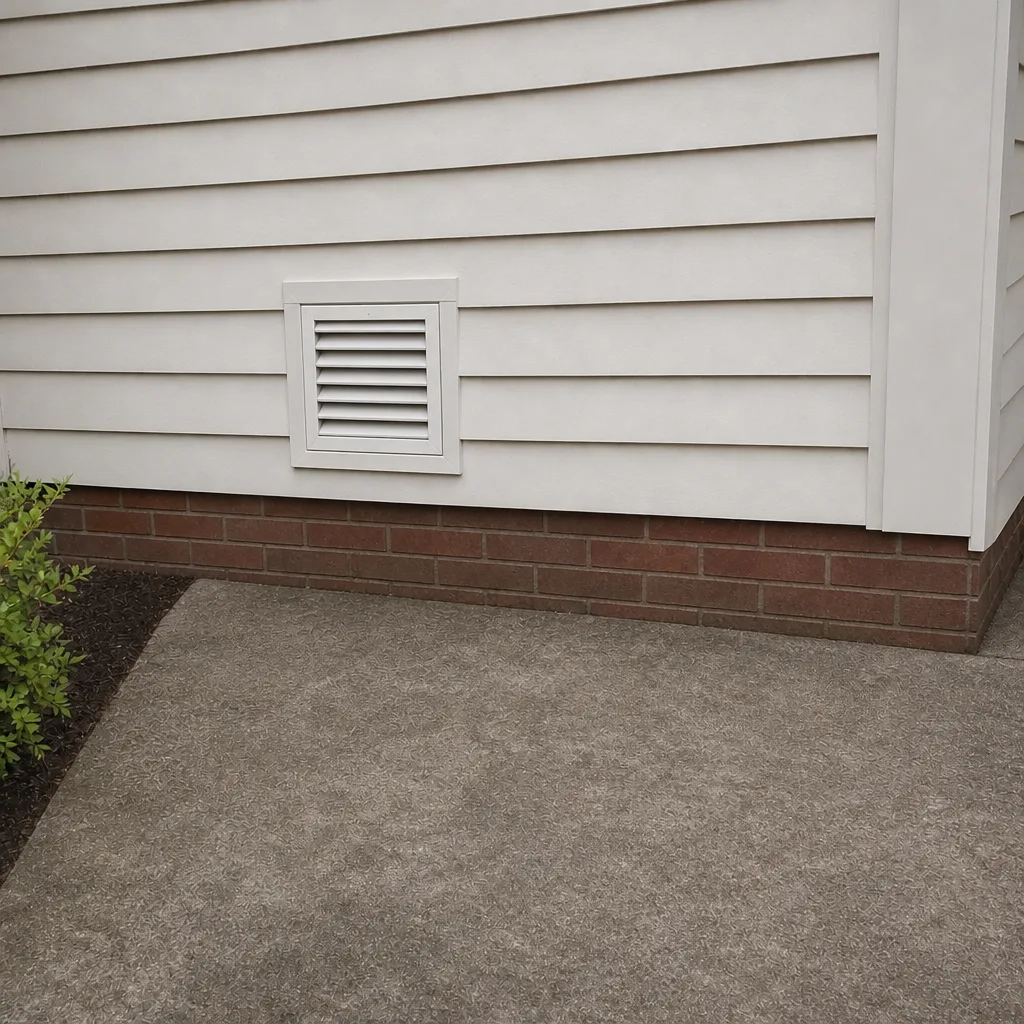
Whole-system duct and dryer vent check with before-and-after photos - you see exactly what came out of your vents
That "$99 whole-house special" is a bait ad - the real number appears once they are in your hallway, or the "clean" is a shop-vac at the register. We photograph the inside of your ducts before and after instead.
Air Duct Cleaning Troubleshooting in Metairie: Common Problems and How to Fix Them
If a room in your house is always a few degrees hotter than the rest, that’s rarely a thermostat problem. In most homes, it’s a collapsed flex duct, a disconnected trunk line, or a joint that has pulled apart behind the drywall, and no filter change will touch it. We’ve walked into plenty of Metairie homes where the homeowner had been faithfully swapping filters every month for years, convinced the system was clean, while a supply run dangled loose in the attic above it. This guide teaches you to read the symptoms your system is actually showing and match each one to the right diagnostic step, so you know whether you’re dealing with debris, a structural failure, or a moisture problem before you call anyone.
Quick Answer
Most air duct “problems” in Metairie come down to one of three root causes: debris buildup that restricts airflow, structural duct failure such as collapsed flex or disconnected joints, or moisture contamination from high indoor humidity. Debris you can clean. Structural and moisture problems need duct repair or a sealed moisture source first, because cleaning a broken system just moves the debris around and leaves the real cause in place.
Styles & brands we work with
- Whole-home duct cleaning
- Dryer vent cleaning
- Camera inspection
- Sanitizing & deodorizing
Table of Contents
- How to Tell Debris Buildup From Structural Duct Failure
- Why Is One Room Hotter or Cooler Than the Rest?
- How to Test Register Airflow Yourself
- What Musty or Moldy Smells After Cleaning Actually Mean
- How Metairie Humidity Turns a Drain Pan Into a Contamination Source
- Symptoms That Mean Cleaning Alone Won’t Fix It
- The Return Side Is Where Most Homeowners Look Last
- How Often Does Air Duct Cleaning Really Need Doing in Metairie?
How to Tell Debris Buildup From Structural Duct Failure
Debris restricts airflow gradually and evenly across the system. Structural failure, on the other hand, tends to hit one zone hard while the rest of the house works fine. That’s the single most useful distinction in duct troubleshooting, and it’s the first question we ask when a Metairie homeowner describes weak airflow. A flex duct that has sagged, kinked, or slipped off its collar cuts off or drastically reduces the air feeding a particular register, no matter how clean the rest of the system is.
Here’s how the two problems show up in practice:
- Debris buildup: airflow feels weak at most or all registers, dust accumulates quickly on vent covers and nearby surfaces, and the system has likely gone years without a proper cleaning.
- Structural failure: one or two registers feel noticeably weaker or stronger than the rest, the affected room never reaches the temperature set on the thermostat, and the issue appeared suddenly or after work was done in the attic.
- Disconnected joint: you may find dusty attic insulation near the broken connection, or the system pulls air from the attic instead of from the return. This dumps insulation fibers and outside air straight into your living space.
- Collapsed flex duct: the duct appears flattened or pinched where it runs through a tight space or makes a sharp bend.
Why does the fix differ so much? Because cleaning addresses what’s inside a duct, while repair addresses the duct itself. If a run has collapsed, an air duct cleaning will clean a duct that still doesn’t deliver air. The repair has to come first, or you’re paying for a clean system that never worked. In our experience, the two problems frequently coexist: a collapsed duct creates a pocket where debris settles, so the correct order is repair, then clean, then verify airflow at every register. Our technicians have up to 9 years of experience reading these symptoms on sight, and the difference between “needs cleaning” and “needs repair” is usually obvious once someone actually gets up into the attic and looks.
Why Is One Room Hotter or Cooler Than the Rest?
One room that runs consistently several degrees off the rest of the house almost always points to a supply problem on that specific branch, not a whole-system issue. The most common causes, in rough order of how often we find them, are a disconnected or loosely attached flex duct at the collar, a duct that has been crushed by stored items or pinched around a corner, a damper that was adjusted partway closed and never reopened, or an undersized branch that was installed that way from the start.
The stepped approach to isolate it:
- Close the register in the problem room and check whether airflow at the other registers improves. If it does, the problem room is on the same trunk and the branch is restricted.
- Note the thermostat setting and the actual temperature in the problem room at the same time of day, a few days running. A pattern is more useful than a single reading.
- Have the attic inspected for the duct feeding that room specifically, looking for disconnected collars, sharp kinks, or crushed sections.
- Confirm the room’s balancing damper, if it has one, is fully open.
We see this a lot in Metairie homes with long attic runs, where the flex duct has to snake around equipment, water heaters, or roof bracing. That’s where the pinches happen. And because the attic stays hot much of the year here, a run that’s sagged in the heat loses efficiency on top of the airflow loss, so the room gets both less air and warmer air at the same time. That compounding effect is why a single hot room often feels worse than the math suggests.
How to Test Register Airflow Yourself
You can pinpoint which branch of your system is underperforming with nothing more than a piece of tissue paper, no tools required. Hold a single-ply tissue near each supply register while the system runs, and compare how strongly it’s pulled. A register that barely moves the tissue, or pulls it against the grille instead of away, is underperforming compared to the others. Walk the whole house and note which registers are strong, weak, or dead, because that map is exactly what a technician needs to find the right branch fast.
If you want a number rather than a feel, a handheld anemometer gives you a rough feet-per-minute reading at each register. You don’t need a lab-grade instrument: the point is the comparison between registers, not the absolute figure. Write the readings down in order, strongest to weakest, and how they compare to each other. The weakest two or three tell you which branch to inspect.
Pair the airflow test with a quick visual check:
- Dust streaks radiating from one register cover mean that register is pushing air hard, often because another branch is starved.
- Dark smudges around a grille can indicate air being pulled in around a gap rather than coming out of the duct.
- If a register has no airflow at all while the system runs, suspect a disconnected or collapsed duct on that branch first, before anything else.
- Check the return grilles too. A choked return will starve the whole system, which masquerades as weak supplies everywhere.
This register-by-register approach is the single most useful diagnostic a homeowner can do before calling anyone, and it saves time on the visit. When a Metairie homeowner can tell us “the master bedroom register is dead and the other three are strong,” the inspection focuses immediately on that branch instead of a full-system hunt. We still confirm everything up in the attic, but a good map gets us to the right duct faster.
What Musty or Moldy Smells After Cleaning Actually Mean
A musty smell that shows up or lingers right after a duct cleaning usually means one of two things: microbial growth on the duct’s internal liner wasn’t fully removed, or moisture is still entering the system somewhere upstream of the smell. Both are moisture problems, and cleaning alone won’t fix either if the water source is still active. A properly cleaned system should smell neutral, not perfumed and not damp.
Duct board and internal liner material are porous. Once mold or mildew has colonized that surface, surface wiping and vacuuming may knock down the visible growth without reaching what’s embedded, and the smell returns as soon as the system runs and the humidity climbs. In that case, the liner itself may need replacement, or the affected section of duct may need repair rather than another cleaning pass.
The second and more important scenario is active moisture intrusion. Common points to check:
- An overflowing or clogged condensate drain pan on the air handler.
- Condensation forming on cold duct surfaces in a hot, humid attic.
- A roof or plumbing leak dripping onto ductwork.
- Return ductwork pulling humid attic air into the system through a gap.
If the smell came back within weeks of a cleaning, moisture is the suspect, and the correct move is to find and seal the source before any further cleaning. Cleaning a duct that keeps getting wet is a repeat expense with no lasting result. We’ve seen liner damage from this in Metairie homes where a slow drain pan issue had gone unnoticed for a season, and the fix was sealing and repairing the duct, not just cleaning it. This is also why containment during service matters: professional filtration equipment like the Abatement Technologies units we use helps keep what’s disturbed from spreading through the house while the work is underway.
How Metairie Humidity Turns a Drain Pan Into a Contamination Source
Metairie’s high outdoor humidity keeps air conditioning systems running hard for most of the year, which means condensate drain pans fill and cycle constantly. When a pan overflows, clogs, or stays wet, it becomes a standing-water reservoir right next to the air handler, and the blower pulls that damp, contaminated air straight through the ducts into every room. This is one of the most underdiagnosed contamination sources we find, because the problem sits in a closet or attic where nobody looks.
The telltale signs are worth memorizing, especially around Metairie’s older housing stock where air handlers are often tucked into closets or tight attic spaces:
- A damp, musty smell strongest when the air first kicks on.
- Rust or water staining on the air handler cabinet or the platform beneath it.
- Visible standing water or slime in the pan, or a drain line that drips slowly or not at all.
- Water stains on the ceiling below an attic-mounted air handler.
The fix follows a strict order. First, clear and correct the drain so the pan stops overflowing. Second, clean and sanitize the pan and the immediate area around the air handler. Third, clean the duct system, because whatever grew in the wet pan has already been distributed through the supply side. Skip the first step and the contamination returns the first humid week. This is why we ask about the drain pan on virtually every duct cleaning in Metairie call: in a climate that keeps condensate flowing most of the year, the pan is where duct contamination so often starts. A homeowner who has never checked their pan should check it this week, before scheduling anything.
Symptoms That Mean Cleaning Alone Won’t Fix It
Certain symptoms tell you outright that the answer is air duct repair or replacement of a duct section, not another cleaning. If you recognize any of these, a cleaning quote without a repair conversation is a red flag. Cleaning is the right service for debris; it is the wrong service for a broken system.
- Airflow refused to improve after a cleaning. If the registers are still weak, the restriction is structural and was never inside the duct to begin with.
- Visible damage in the attic. Torn, crushed, or disconnected flex duct needs to be reconnected or replaced.
- Dust returning within days. Dust that reappears fast usually means the system is pulling from an unfiltered space through a gap.
- A persistent musty smell after cleaning. Active moisture or liner damage is the likely cause, and it needs sealing and repair.
- Insulation or debris appearing at registers. This often signals a disconnected joint pulling attic air into the supply.
We treat repair as its own service, not a line-item add-on, because the skill and the diagnosis are different from cleaning. Here’s what the equipment does: the Rotobrush rotary brush system agitates and loosens debris inside the duct walls, and Nikro vacuum and negative-air equipment pulls it out under controlled pressure. Those tools clean exceptionally well, but they can’t reattach a duct that’s fallen off its collar. When we find structural damage during a cleaning, we tell the homeowner and quote the repair separately, so they can decide with the full picture rather than a surprise. Fixing the integrity of the system is what makes a cleaning last, and that’s the difference between a service call that solves the problem and one that just delays it.
The Return Side Is Where Most Homeowners Look Last
The return ductwork is the half of the system most homeowners never think about, and it’s frequently the dirtiest. Everything the return pulls in passes through it before it reaches the filter, so a leaky return draws dust, attic insulation fibers, and humid air into the system before filtration ever happens. If your supply registers are weak and the return grille looks grimy, the return is a prime suspect.
What to check on the return side without taking anything apart:
- Whether the return grille is visibly loaded with dust and lint, and how long since it was cleaned.
- Whether the return chase or duct connects tightly to the air handler, with no visible gaps at the seams.
- Whether a filter has been installed with the airflow arrow pointing the wrong way, which chokes the return and forces the blower to work harder.
- Whether the filter itself is the right type: too restrictive a filter on a system not designed for it can cut airflow across the whole house.
In Metairie, an undersized or short return is common in older homes, and it makes the entire system work harder than it should. A thorough cleaning covers both the supply and return sides for this reason. If a company quotes you on supply registers only, ask what they intend to do about the return, because that’s where a lot of the debris load actually lives.
How Often Does Air Duct Cleaning Really Need Doing in Metairie?
There’s no fixed calendar answer, but most Metairie homes benefit from an inspection every few years and a cleaning when the evidence calls for it. The right trigger isn’t a number of years, it’s what your system is showing: visible dust blowing from registers, a musty smell, recent renovation or attic work, a new-to-you home with unknown history, or persistent allergy-type irritation indoors. A home that never shows those signs may not need cleaning at all, and an honest technician will say so.
Signs that point to a cleaning:
- Dust settling on furniture and vent covers faster than normal.
- Visible dust or debris being blown from a supply register when the system starts.
- A musty or stale smell that shows up with airflow.
- Recent remodeling, drywall work, or pest activity in the attic.
- A dryer that’s taking noticeably longer, which points to a separate dryer vent cleaning need.
Metairie’s humidity and long cooling season keep systems running more hours than in drier climates, which means more air moving through the ducts and more opportunity for moisture to work its way in. That’s a reason to stay observant, not a reason to schedule a cleaning every single year regardless of condition. When you do schedule, the goal is a whole-system clean with before-and-after photos so you can see exactly what came out. That’s the honest way to judge whether the work was done, and it’s what we document on every job.
Common Mistakes to Avoid
- Assuming a filter change fixes low airflow. A clean filter helps, but it won’t fix a collapsed or disconnected duct. If one room stays stubbornly off-temperature, the problem is structural, and swapping filters just delays the real diagnosis.
- Cleaning a system with active moisture. Cleaning a duct that keeps getting wet is wasted money. Find and seal the moisture source, usually a drain pan or a gap pulling in humid attic air, before any cleaning.
- Wiping vents and calling it done. The dust you see on the grille is a symptom. The debris load lives inside the ductwork, and that’s where the work has to happen in a Metairie home.
- Accepting a per-vent or teaser price. A low headline number that balloons once the technician is on-site is the industry’s classic bait-and-switch. Insist on one flat price per system, agreed before work starts, with the whole system in scope.
- Ignoring the return side. A quote that covers supply registers only leaves the dirtiest half of the system untouched. Ask directly how the return will be cleaned.
- Skipping the attic inspection. Cleaning without checking for disconnected or crushed ducts can miss the actual cause of the problem entirely, especially in homes with long attic runs.
- Judging the job with no proof. Before-and-after photos of your own ducts are the reasonable standard. If a company can’t show you what came out, you have no way to know the work happened.
See the difference
 Before
 After
 Before
 After
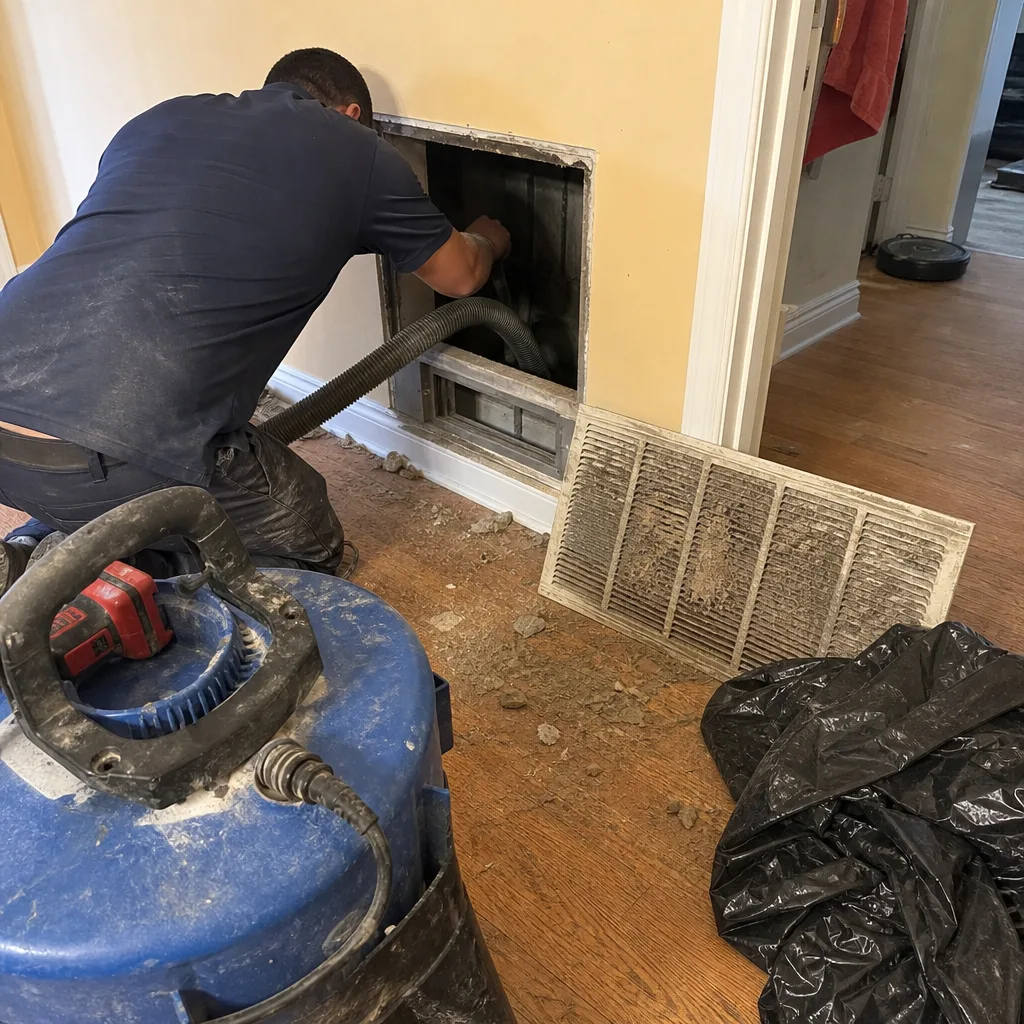 Before
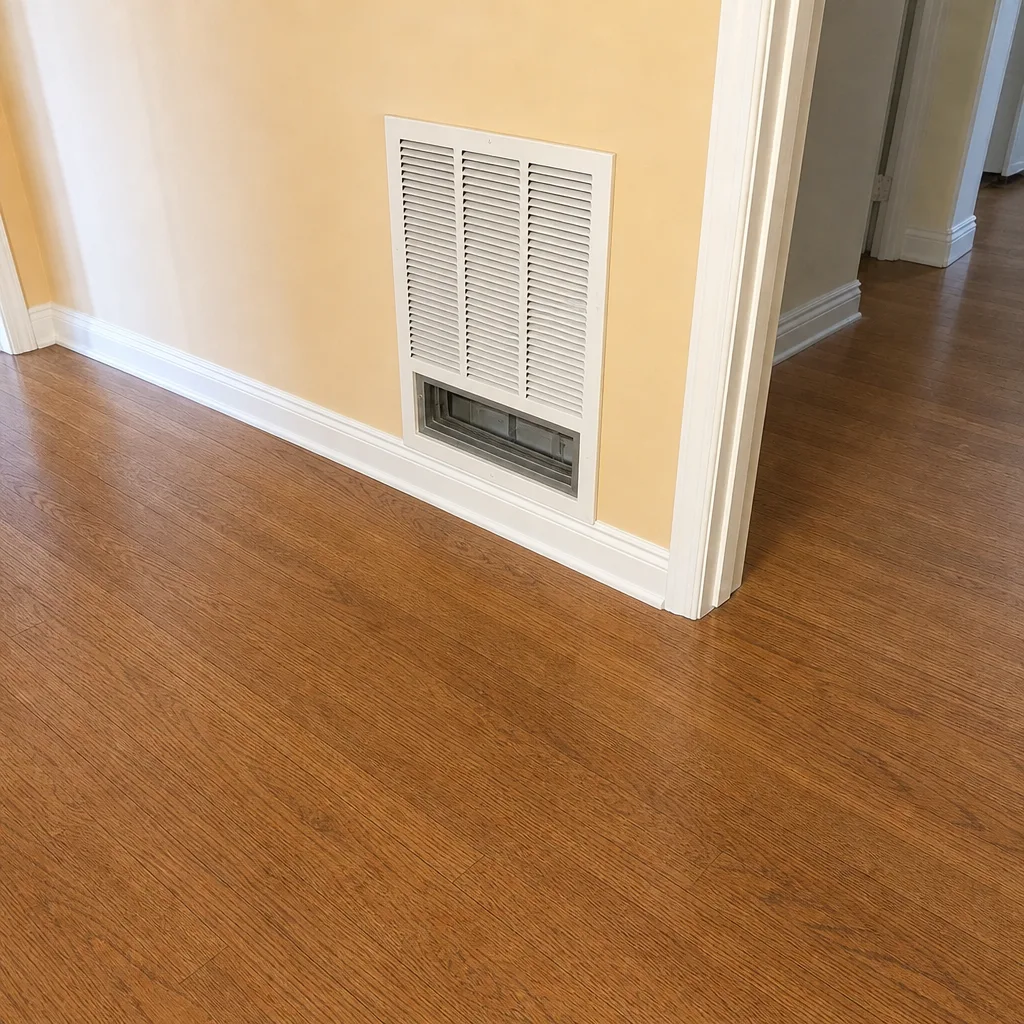 After
When to Call a Professional
Call a professional when your own register-by-register airflow test shows one or more dead branches, when a musty smell returns within weeks of a cleaning, when you find a wet or overflowing drain pan, or when visible dust keeps blowing from supplies after a filter change. These point to problems that need equipment and access a homeowner shouldn’t take on, and some involve the air handler and electrical components where a trained technician should be the one working. We offer free estimates for homeowners across Metairie. Call (833) 576-1083. We answer 24/7. Fast dispatch from 7am to 7pm, Sunday through Friday, and the written estimate sets the final price before any work begins.
Frequently Asked Questions
One room running hot almost always means a supply problem on that specific branch, most often a disconnected, pinched, or collapsed flex duct, or a balancing damper left partway closed. Run the tissue test at each register to confirm the branch is weak, then have the duct feeding that room inspected in the attic. Call (833) 576-1083 for a free estimate if the register is dead or clearly weaker than the rest. We answer 24/7. Fast dispatch from 7am to 7pm, Sunday through Friday.
A smell that lingers or returns after cleaning usually means residual microbial growth on the duct liner, or an active moisture source like a drain pan or a leak still feeding the system. Cleaning can’t fix a duct that keeps getting wet, so the moisture source needs to be found and sealed first. A neutral-smelling system is the goal, not a perfumed one. Call (833) 576-1083 and we’ll take a look at the moisture side before recommending anything.
Honest whole-system pricing depends on the size and layout of your system and what’s actually in the ducts, so we quote one flat price per system after inspecting it, agreed before work starts, with no per-vent charges. That flat price is set by the written estimate. Be wary of a low headline number that becomes a much larger invoice on-site, the classic bait-and-switch in this trade. Call (833) 576-1083 for a free estimate.
Before-and-after photos of your own ducts are the reasonable standard, and you should get them on every job. Photos taken on-site of what came out of your system are how you verify the work without standing over the technician, and any honest company will supply them. Call (833) 576-1083 if you’d like an estimate and to see how we document the job.
There’s no fixed interval; the right trigger is what your system shows, not a calendar. Visible dust blowing from registers, a musty smell, recent renovation or attic work, or a new home with unknown history are the usual reasons to schedule a cleaning. A home with none of those signs may not need one. Call (833) 576-1083 for a free estimate and an honest opinion on whether it’s needed.
If the airflow problem comes from debris, cleaning can restore it. If it comes from a collapsed, disconnected, or crushed duct, no amount of cleaning will fix it and you need duct repair first. The register airflow test is how you tell the difference, and a professional attic inspection confirms it. Call (833) 576-1083 for a free estimate; if it’s a repair, we’ll tell you straight.
The Bottom Line
Most duct problems in Metairie trace back to three things: debris, structural failure, or moisture. Learn to read the symptoms. A hot room is usually a duct, not a thermostat. A musty smell after cleaning is moisture or liner damage, not a cleaning failure. A wet drain pan quietly contaminates the whole system through the ducts. Run the tissue test at every register, check the return side, and look at your drain pan this week. When the symptoms point to repair rather than cleaning, that’s the correct call, and any company that ignores it is selling you a repeat visit. Professional-grade equipment, one flat price per system, and before-and-after photos are the standard worth holding anyone to.
If your system is showing any of the symptoms in this guide, call (833) 576-1083 for a free estimate. We clean it, and if it’s broken, we fix it, with the right equipment and one flat price agreed before work starts. We answer 24/7. Fast dispatch from 7am to 7pm, Sunday through Friday.
Written by the team at Duct Cleaning Metairie.
The core takeaway bears repeating: in a humid climate like ours, moisture is the quiet driver behind most duct trouble, and it’s the one homeowners check last. Look at the pan, check the return, and read the registers room by room. That short routine answers most of the questions a cleaning estimate would otherwise have to.
Written by the team at Duct Cleaning Metairie.